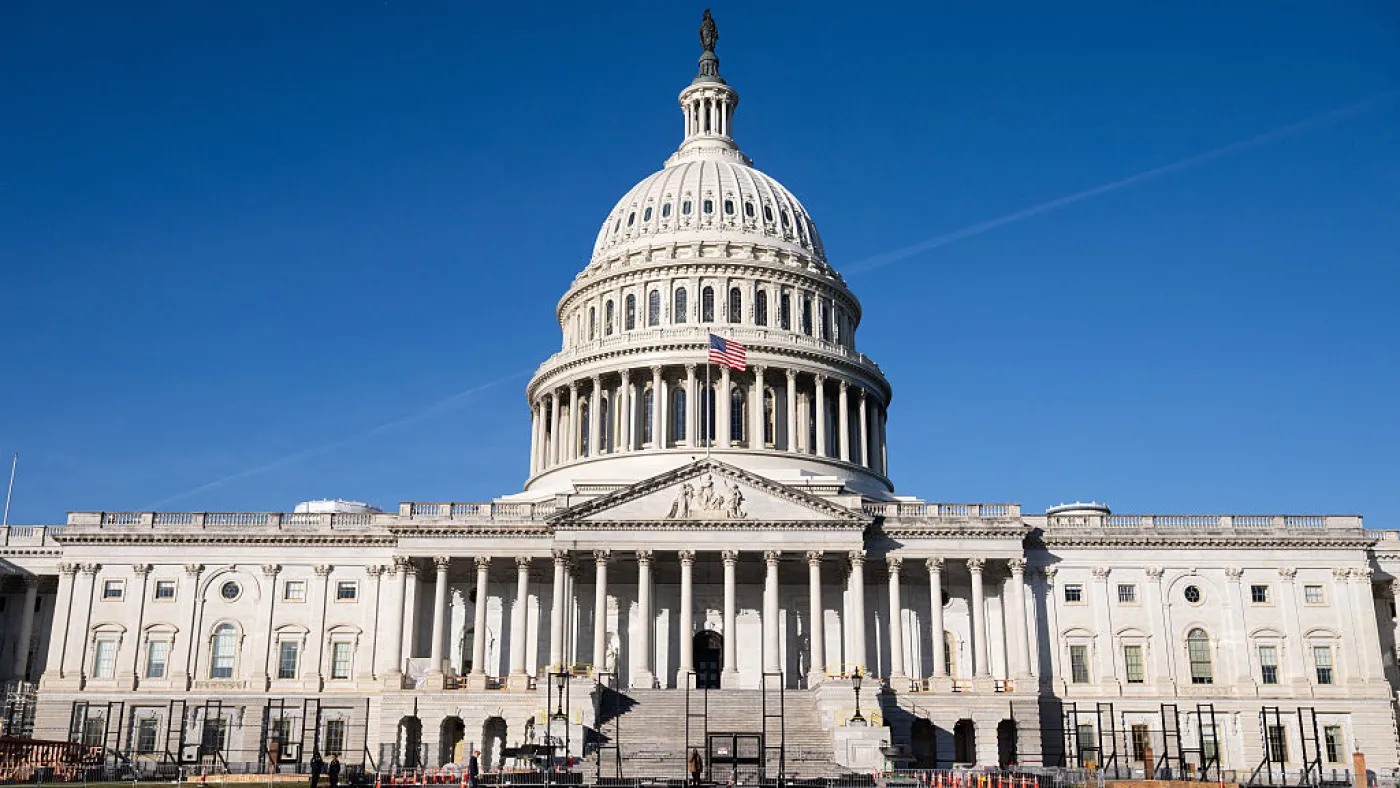
Democrats secured control of both chambers of Congress following the midterm elections on November 3, 2026. This shift in legislative power allows lawmakers to challenge the Trump administration's foreign policy through investigations and the federal budget. Historian Anne Applebaum told NPR that the election results may restore some international confidence in U.S. democratic institutions, though she noted the president retains significant executive authority.
The election followed a period of increased domestic focus on foreign military engagements. According to a voter poll by SSRS, 74% of voters cited the war in Iran as a major factor in their vote, while 89% prioritized the economy. The U.S. and Israel have conducted military campaigns against Iran since June 2025. Pentagon figures indicate the conflict has cost U.S. taxpayers approximately $47.1 billion as of mid-October 2026.
Applebaum outlined three primary areas where a Democratic-led Congress could exert influence. First, lawmakers may use "the power of the purse" via appropriations committees to restrict federal funding for military operations in Iran. Second, Congress is expected to launch investigations into potential corruption within the administration and the competence of foreign policy advisors, such as Defense Secretary Pete Hegseth. Finally, Applebaum expects a bipartisan coalition to pursue legislation requiring the president to reimpose sanctions on Russia regarding the war in Ukraine.
The investigations promised by Democratic leadership will likely bring internal administration communications into the public record. This includes scrutiny of Elon Musk and SpaceX regarding disruptions to Starshield and Starlink satellite services in Ukraine, which Ukrainian officials said hindered drone interceptions. While these hearings cannot force a policy change, Applebaum says they create a public "narrative" that competes with the White House. Furthermore, any attempt to reimpose sanctions on Russia through legislation would require a two-thirds majority in both the House and Senate to override a likely presidential veto.
What happens next depends on the timing of the transition. Trita Parsi of the Quincy Institute for Responsible Statecraft noted that some supporters of the Iran war may view the two months before the new Congress takes office in January 2027 as a window to escalate the conflict. Once the new term begins, Democratic leaders must decide which investigations to prioritize. Specific dates for hearings or the introduction of new spending bills have not yet been reported, though Applebaum suggested that for the new majority to be effective, they would need to move quickly upon being seated.