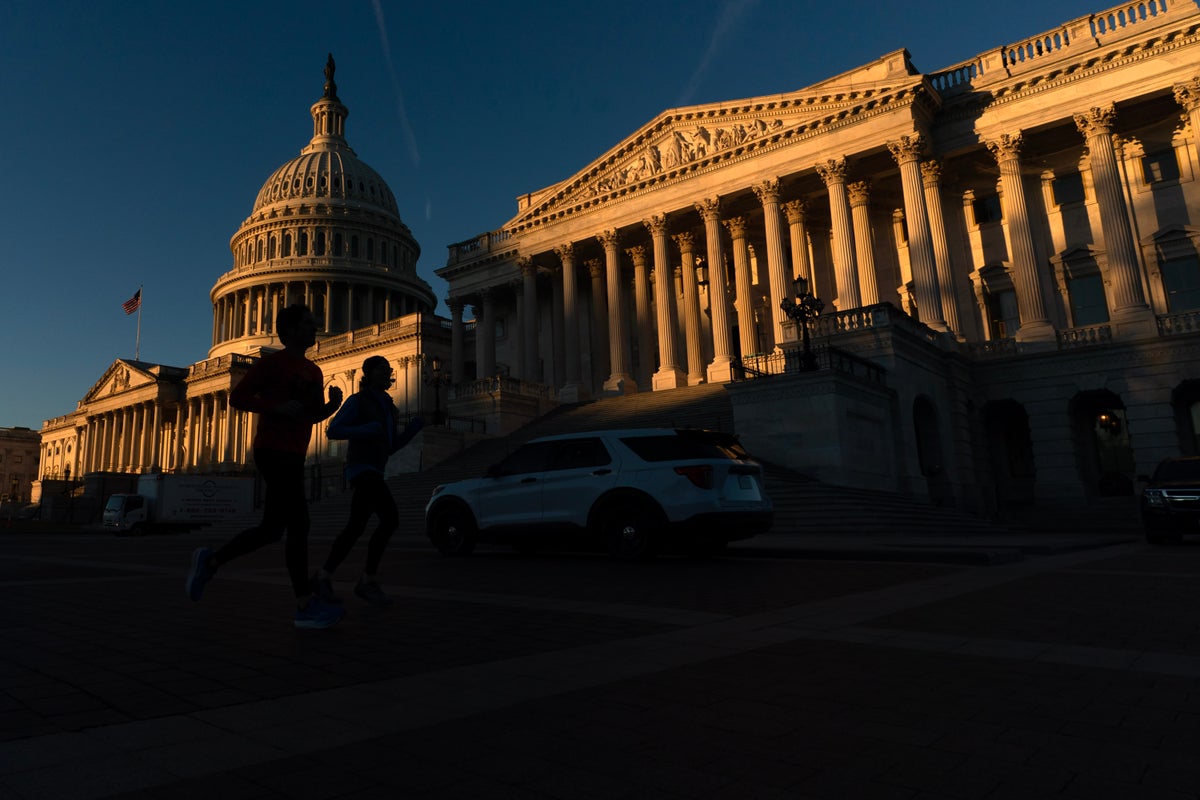
House Democrats secured a majority of at least 258 seats on Sunday, November 22, 2026, marking the party's largest general election outcome in the chamber since 1992. The seat that reached the 258-tally was won by Democrat Chuck Hubbard, who defeated Republican Representative Virginia Foxx in North Carolina.
The election results follow two years of a narrow 218-214 Republican majority under Speaker Mike Johnson (R-LA). Democrats gained at least 44 seats in this cycle, surpassing the 40 seats they picked up during the 2018 midterm elections. Republicans are projected to hold at least 173 seats in the minority for the upcoming term.
Four House contests remain undecided as of Sunday, including races in Minnesota and Tennessee, and two Louisiana seats scheduled for a December runoff. In the Senate, Democrats captured a 56-seat majority. This outcome establishes a divided government, with Democrats controlling both chambers of Congress while Republican President Donald Trump serves his second term in the White House.
Democratic leader Hakeem Jeffries (D-NY) is expected to be elected House Speaker on January 3, 2027. Jeffries stated that the larger margin will allow the caucus to pass measures even if dozens of members dissent, as 218 votes are required for passage. Republican leader Jim Jordan (R-OH) stated that the minority party would fight for families and work to return to power.
The change in leadership also alters the operations of the federal government through increased oversight. President Trump has signed an executive order requiring contractors to obtain approval before sharing information with congressional investigations. This conflict over subpoena powers will determine the scale of inquiries into the administration's finances and executive conduct starting in January 2027.
The 258-seat majority provides the new leadership more room to maneuver compared to the previous narrow margin, potentially reducing the influence of small groups of lawmakers to stall bills. The next key steps include a congressional funding deadline occurring weeks before the January transition, the Louisiana runoff elections in December, and the formal vote for House Speaker on January 3, 2027. At that time, Jeffries is poised to become the first Black speaker in U.S. history.