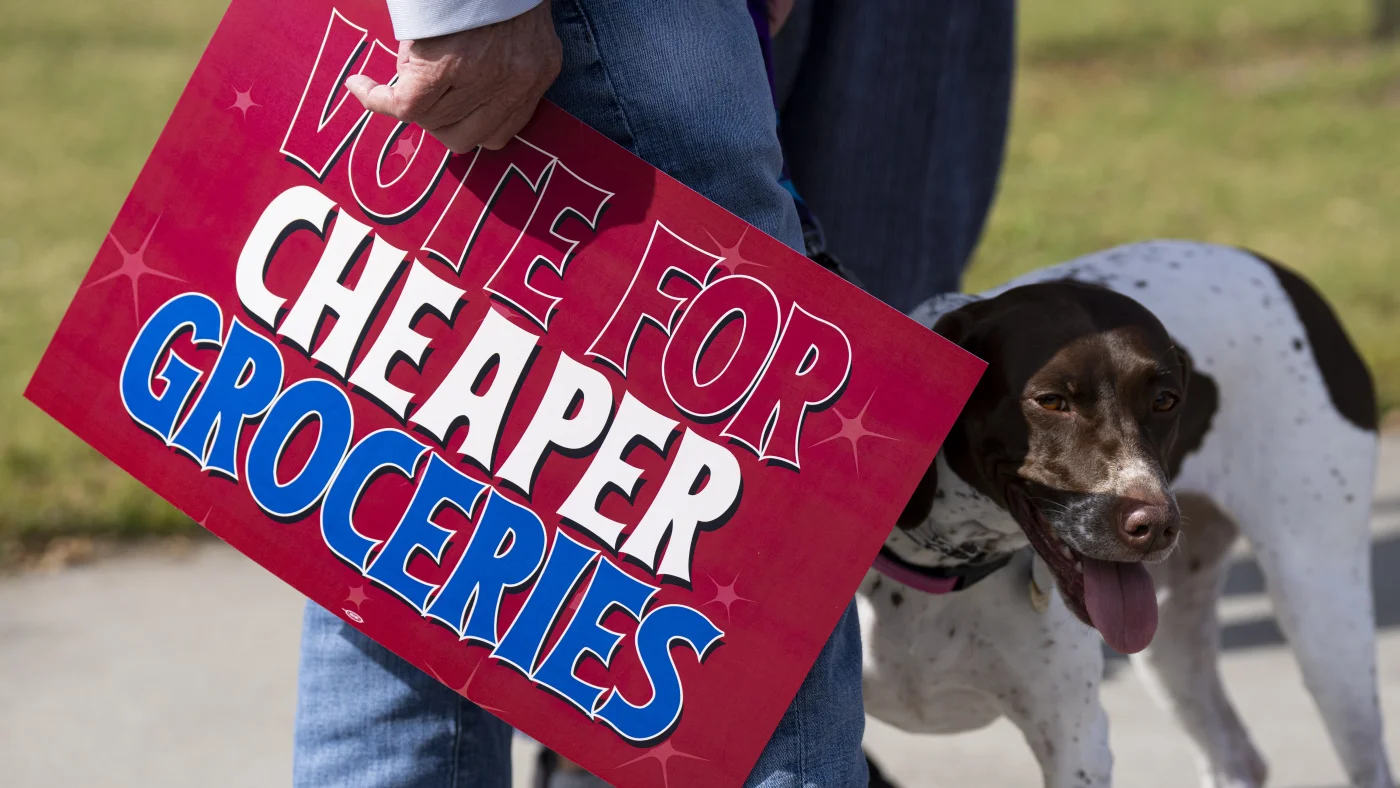
Democratic candidates won control of both the U.S. House of Representatives and the U.S. Senate in midterm elections held on a Tuesday in November. House Democratic Leader Hakeem Jeffries (D-NY) stated on the following Friday that the incoming majority would prioritize addressing high food costs when they take office in January. The results followed a campaign season where voters identified affordability concerns driven by tariffs, the war in Iran, and labor shortages.
The shift in legislative control comes during the administration of President Donald Trump. While Democrats plan to propose rolling back certain tariffs to lower costs for imported food, packaging, and machinery, Professor Chris Borick of Lehigh University noted a significant gap between the president’s preferred tools and those favored by the incoming congressional majority. The war in Iran has increased energy costs for transportation and disrupted global fertilizer trade through the closure of the Strait of Hormuz.
Federal proposals from incoming Democratic lawmakers include efforts to protect the Special Supplemental Nutrition Program for Women, Infants, and Children (WIC) and the Supplemental Nutrition Assistance Program (SNAP). Incoming Senator James Talarico of Texas said he would push back against attacks on these programs. Rep.-elect Adam Hamilton (D-KS) has proposed a national ban on "dynamic pricing" in grocery stores, while others, such as Roy Cooper of North Carolina, have pledged to block food industry mergers. Additionally, the Trump administration is currently conducting an overhaul of SNAP, which has seen declining participation since the previous summer.
At the state level, Democrats will hold at least 28 governorships next year, and ten state legislative chambers changed party control during the elections. Incoming governors have proposed various local measures to address food costs, such as Georgia governor-elect Keisha Lance Bottoms’ plan to allow municipalities to suspend local sales taxes on groceries, baby formula, and diapers. In Texas, governor-elect Gina Hinojosa promised to outlaw price gouging and "predatory surveillance pricing," while New Mexico governor-elect Deb Haaland suggested the state explore waiving permitting fees for markets in underserved areas.
Small businesses in the food industry, including farmers and grocers, may see changes in their operating costs depending on whether Congress successfully rolls back tariffs or addresses labor shortages. These businesses currently face higher prices for imported machine parts and packaging. A person purchasing groceries would notice these changes through direct prices at the register or through the potential elimination of local sales taxes in states like Georgia.
The knock-on effects of these policy debates extend to international trade and energy markets, as food prices remain tied to the ongoing conflict in Iran and global supply chains. The precedent for state-level intervention in "surveillance pricing" or fee waivers could also influence how other states manage food deserts and price transparency. The next major steps will occur in January when the new Congress is seated and the incoming governors are inaugurated.