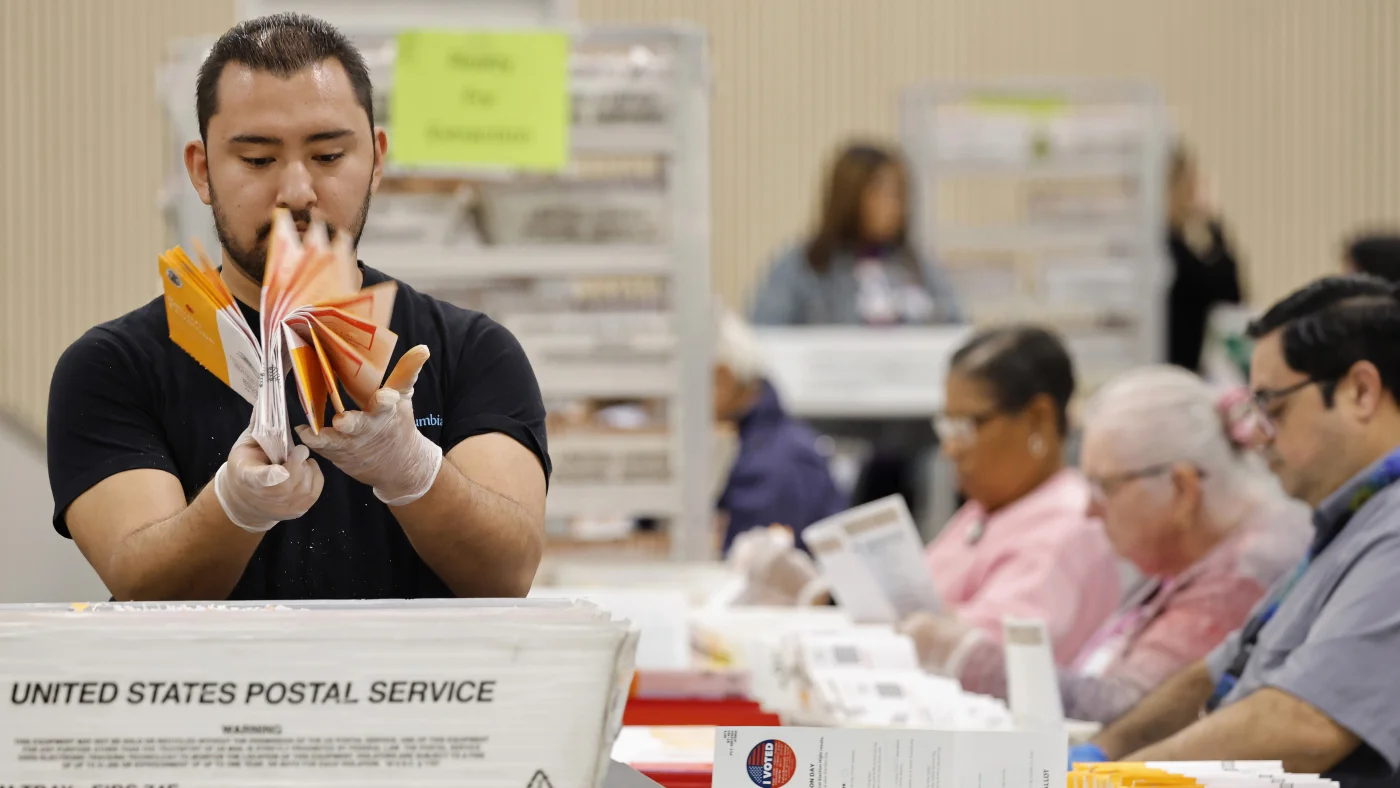
Following the 2026 U.S. general election, the Department of Justice (DOJ) has indicated it will continue investigating the presence of noncitizens on state voter rolls. While the DOJ recently withdrew a lawsuit against California, officials stated that criminal and civil investigations into election integrity would proceed regardless of election results. U.S. Attorney General Todd Blanche confirmed in a press conference that federal prosecutors remain active in these cases across various states.
The administration’s efforts faced several legal setbacks in the weeks surrounding the election. In mid-October, federal officials alleged they identified 20,000 "likely" noncitizens on California’s voter rolls and sought to prevent their ballots from being counted. Federal district and appeals courts rejected these requests, and the U.S. Supreme Court declined to intervene. Additionally, a federal judge in Washington, D.C., ruled that the DOJ and Department of Homeland Security (DHS) lacked the legal authority to distribute lists of suspected noncitizens to election officials, citing potential violations of the Privacy Act.
In California, federal prosecutors issued grand jury subpoenas to several counties, including Los Angeles and Sonoma, requesting records on how local officials screened for noncitizen voting. These subpoenas followed letters sent by the DOJ to every California county in October, warning that tabulating ballots from individuals identified by federal agencies as noncitizens could result in "aiding and abetting" a federal crime. Some local prosecutors, such as San Luis Obispo District Attorney Dan Dow, have also begun independent reviews of federal data, leading to one criminal charge so far.
The scale of this impact involves federal resources and potential litigation costs for counties. For instance, data experts from the UCLA Voting Rights Project analyzed the DOJ's list and reported that 42% of the names did not appear on current rolls, while local officials in Santa Cruz County found that more than half of the 81 names provided to them were either not registered or contained data errors, such as birth dates listed in the year 2044. These inaccuracies mean county election offices must spend administrative hours verifying records to avoid disenfranchising eligible naturalized citizens.
The effects of these investigations may include a shift in how federal and state agencies share data, as court rulings have questioned the legality of using federal databases to purge state rolls without explicit congressional authorization. With Democrats winning control of Congress, the Center for Election Innovation and Research notes that lawmakers may initiate hearings to probe the methodology used by the DHS. What happens next depends on the DOJ's pending appeals of recent court losses and the deadlines set for counties to comply with outstanding grand jury subpoenas throughout the remainder of the month.