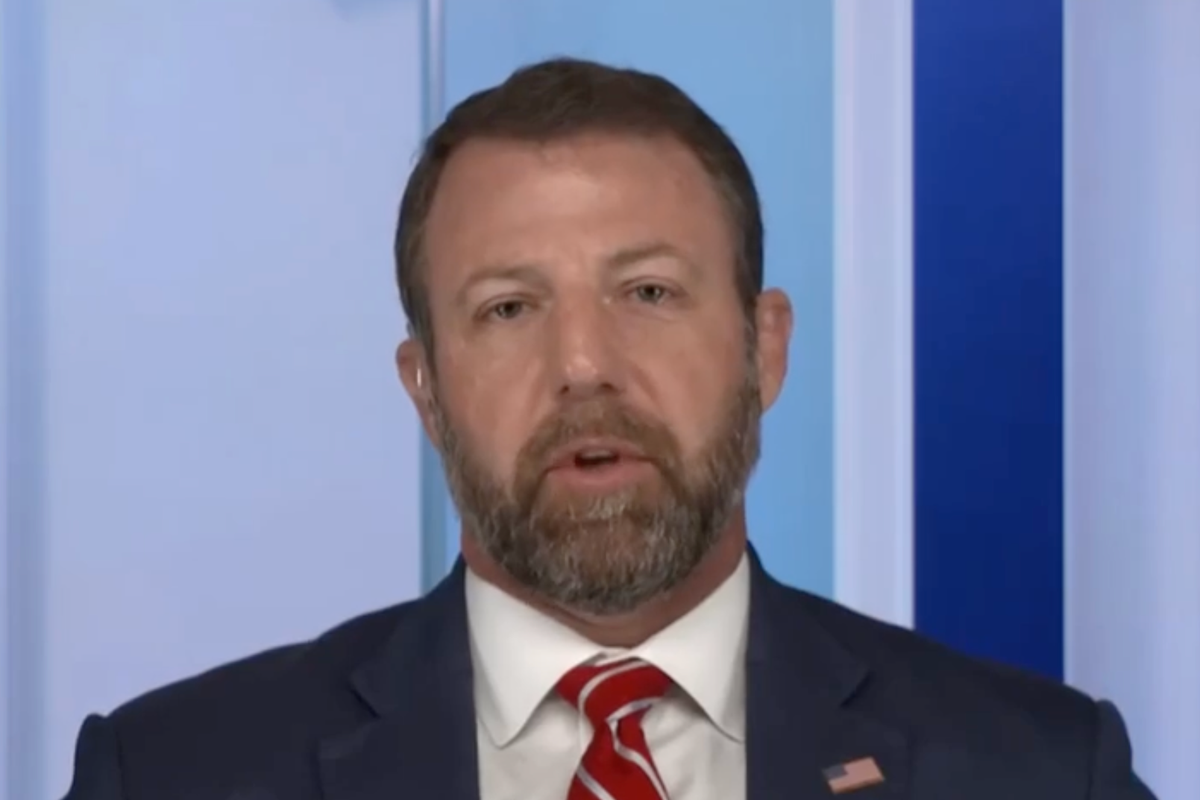
Secretary of Homeland Security Markwayne Mullin stated on Sunday, November 15, that no personnel will be terminated following a nationwide ground stop of U.S. flights on Friday, November 13. During an appearance on Fox News, Mullin attributed the grounding to technical issues involving the integration of legacy equipment with modern technology rather than human error or a cyberattack.
The ground stop began at approximately 3:30 p.m. on Friday and lasted until normal services resumed at 8:15 p.m. The Federal Aviation Administration (FAA) reported that the measure was taken out of an "abundance of caution" after its telecommunications infrastructure became unstable. According to the FAA, the system was flooded with approximately 1,000 connection attempts every four to five seconds.
Mullin described the affected infrastructure as a "50-year-old system" comparable to "an old dial-up system." He noted that problems arose while attempting to make this older equipment compatible with current technology. An initial FAA investigation identified two potential locations—Amarillo, Texas, and El Dorado, Arkansas—where the systems may have been flooded with data.
While addressing questions about a potential cyberattack, Mullin stated there is "98 percent certainty" that the issue was caused by the age of the system. He acknowledged the possibility of a "bad actor" but maintained that current evidence does not support that conclusion. The ground stop occurred one day after a separate Microsoft outage affected services like Outlook and Teams, though Mullin dismissed claims that the two events were related, describing such links as "conspiracy theories."
The scale of the technical failure highlights the vulnerability of the FAA Telecommunications Infrastructure, which the DHS Secretary characterized as being five decades old. The reported flood of 1,000 connection attempts every few seconds suggests that the aging system lacks the capacity to handle modern data loads. This event sets a precedent for how federal agencies manage aging infrastructure risks, focusing on technical upgrades rather than personnel changes, as Mullin confirmed no employees would be fired for the outage.
What happens next involves the continuation of the FAA investigation into the specific equipment failures at the Texas and Arkansas sites. While Mullin stated the incident was not a cyberattack with high certainty, the FAA will continue to review why its "legacy equipment" became unstable under the data load. No specific deadline for a final report or a timeline for system-wide hardware replacements was provided in the initial statements following the Sunday broadcast.