Digital livestreamers and legacy media networks competed for audiences during the midterm elections held on Tuesday, November 3, 2026. While traditional television networks maintained higher overall primetime ratings, digital-first coverage from both mainstream outlets and independent creators saw significant viewership growth. Data analyst Steve Kornacki’s 11-hour digital broadcast for NBC News, known as the "Kornacki Cam," accumulated 29 million total views and peaked at more than 300,000 simultaneous viewers.
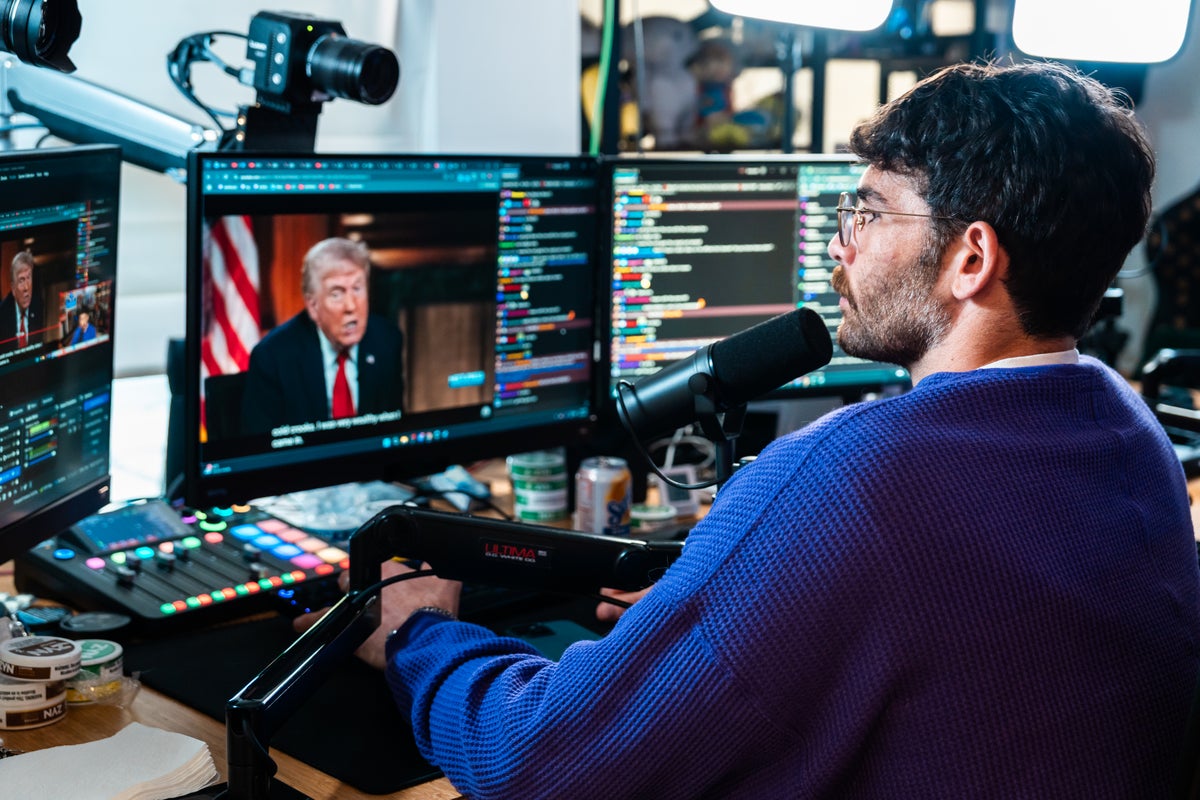
Independent livestreamer Hasan Piker, who describes himself as a Marxist, recorded a peak of 241,783 concurrent viewers on the platform Twitch during the election. According to analytics firm Streams Charts, Piker’s broadcast generated 1.75 million total hours watched, surpassing the digital streams of ABC News and CBS News. Other digital figures, such as Candace Owens, reached a peak concurrent audience of 70,000 viewers.
The shift toward digital platforms follows a trend established during the 2024 presidential election when candidates began leveraging online figures for outreach. In the 30 days leading up to the November 3 vote, political livestreams across more than 2,500 channels recorded 10.27 million hours of watch time. This represents a 4.5-fold increase in audience numbers compared to the period preceding the 2022 midterm elections.
The scale of this shift is visible in the 10.27 million hours of political content consumed via livestreaming in the month before the election, which is equivalent to 1,170 continuous years of viewing. While Republicans spent more on conventional advertising during this cycle, Democrats like Rep. Ro Khanna (D-CA) and Rep. Ilhan Omar (D-MN) made appearances on Piker’s stream to reach voters. For viewers, this change means political analysis is increasingly delivered through unedited, hours-long formats that combine data with personal commentary.
The expanding influence of these creators has also shaped campaign rhetoric and opposition research. During the Michigan Senate race, Republican Mike Rogers used Piker's past statements about the September 11 attacks to criticize El-Sayed. Piker, who gained 40,000 new subscribers on Twitch during the coverage, stated on Thursday, November 5, that he views himself as a political commentator rather than a campaign surrogate. As digital audiences grow, media analysts like Max Willens of Emarketer suggest that while streamers have become influential enough to be featured in political attacks, their role as direct representatives of political parties remains a subject of debate.