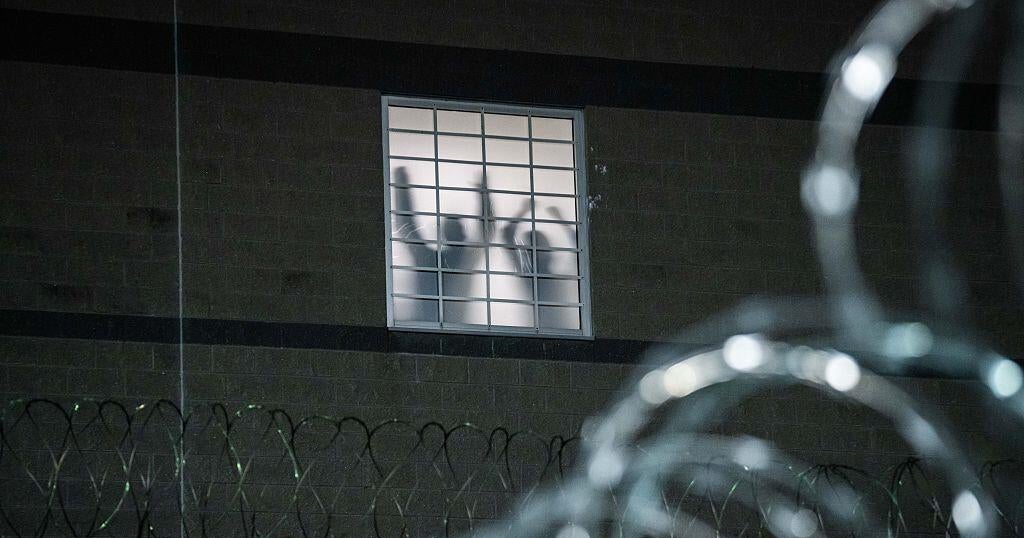
Attorney General Todd Blanche has directed civil litigators from across the Justice Department to assist in defending against a surge of lawsuits filed by immigration detainees. In a three-page memo dated November 24, 2026, Blanche authorized attorneys from the Antitrust, Civil, Civil Rights, and Environment and Natural Resources divisions, along with the U.S. Trustees Program, to handle habeas corpus petitions normally managed by U.S. Attorneys' Offices. The pool of civil litigators across those components is approximately 2,000, though the memo did not specify how many would be reassigned.
The directive follows a significant increase in legal challenges since January 2025. According to the memo, more than 97,000 detainees have filed habeas corpus petitions—a legal tool used to challenge the lawfulness of one's imprisonment—during that period. This includes approximately 10,000 new petitions filed since October 2026 alone. Prior to the current administration, the annual federal caseload for such petitions typically numbered only a few hundred.
The Department of Justice stated that U.S. Attorneys' Offices are currently overwhelmed by the volume of cases. Under federal law, courts must generally set a return for a habeas petition within three days of a show-cause order. In his memo, Blanche characterized many of the petitions as "frivolous" and stated the increase resulted in part from the immigration bar's attempt to "thwart" the president's border security promises.
The scale of the litigation is roughly 4,000 petitions per month across the country. In specific districts, the volume is even more concentrated; Colorado's federal court has recently received about 100 new petitions per week. For the individuals filing these cases, the influx of government lawyers means that petitions previously left undefended due to staffing shortages—such as in the Western District of Washington, which briefly stopped defending many cases in early November—will likely receive a full legal response.
The knock-on effects extend to the broader federal legal system. Because lawyers are being diverted from their primary roles, there is a reduction in personnel available for antitrust merger reviews, civil rights investigations, environmental enforcement, and bankruptcy oversight through the U.S. Trustees Program. What happens next depends in part on the federal courts; the Supreme Court agreed in October to review policies regarding bond hearings, and future rulings on mandatory detention statutes will determine if the volume of habeas petitions continues at this rate.