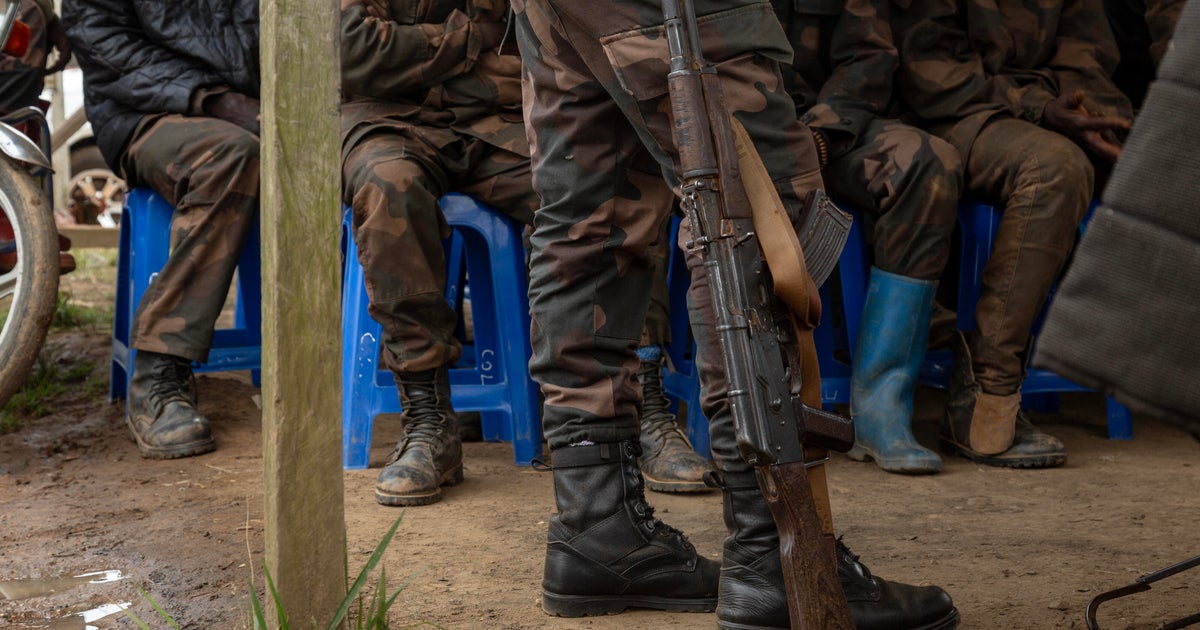
A military court in the Democratic Republic of Congo (DRC) sentenced 66 soldiers to death for cowardice, mutiny, refusing to obey orders, and squandering ammunition. The sentences followed a 12-day trial in the town of Walikale, located in the eastern North Kivu province. Four other individuals were acquitted during the proceedings, and one soldier received a 10-year prison sentence.
The trial was initiated to improve discipline within the DRC armed forces, according to military authorities. The soldiers were arrested on Oct. 20 after being accused of fleeing combat with the Front for the Refoundation of the Nation (FRN), an umbrella rebel coalition. The DRC has faced decades of conflict in its eastern regions involving various armed groups, including the M23 group and the FRN.
While the government seeks to bolster order, the BBC reported that DRC soldiers have previously cited poor pay and equipment as ongoing issues. These latest sentences follow a similar ruling in early October, when 27 other government soldiers were sentenced to death for cowardice. Since the beginning of 2025, 381 Congolese soldiers have been sentenced to death, according to a tally by Radio France Internationale.
The sentencing affects members of the DRC’s national army and police force, as well as members of armed groups and those involved in gang violence. Amnesty International states that these individuals face execution following trials that often do not meet international standards for fairness.
For the soldiers and their families, these rulings represent a shift from imprisonment to capital punishment for battlefield conduct. This change followed the DRC government's March 2024 decision to reintroduce the death penalty, which had previously been under a moratorium. The policy was revived specifically to target what the government describes as "treason" within the military. A soldier convicted under these standards now faces the loss of life rather than a custodial sentence for actions such as retreating from rebels or failing to follow commands.
The use of capital punishment may set a precedent for how the DRC manages its security forces during its ongoing conflict with groups like M23 and the FRN. International bodies, including the United Nations and several Western governments, have highlighted the complexity of the region, noting that neighboring Rwanda has been accused of supporting M23 to control mineral resources. Amnesty International has warned that the resumption of executions endangers hundreds of people currently on death row, including those whose charges may have been politically motivated. The next steps involve the potential carry-out of these executions, although specific dates for the 66 soldiers have not been reported.