Data from federal immigration agencies indicates a decrease in approval rates for the EB-1A "extraordinary ability" visa under the administration of President Donald Trump. By mid-2026, the approval rate for these visas fell to 32 percent, a decrease from the 75 percent approval rate recorded during the final months of the Biden administration. About 5,200 people were granted the visa in the first three quarters of fiscal year 2026, compared to nearly 8,900 during the same period in fiscal year 2024.
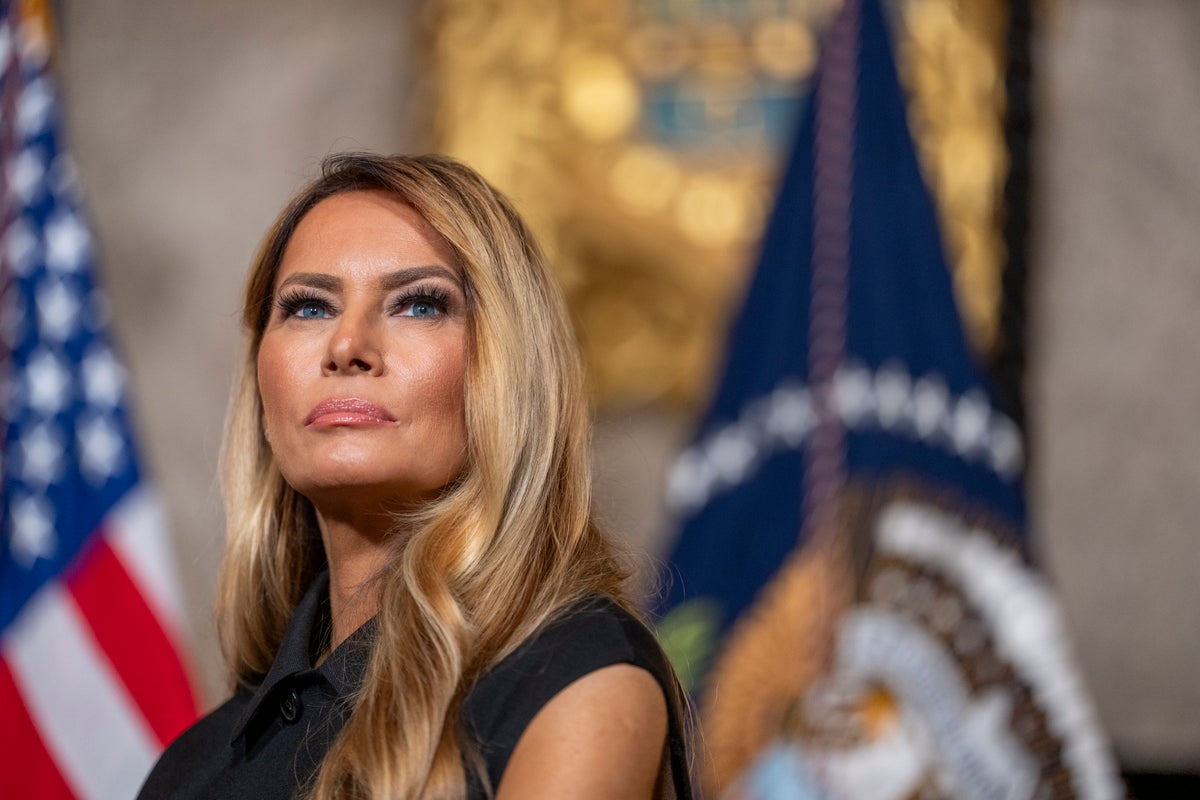
The EB-1A program, often referred to as the "Einstein visa," provides a path to permanent residency for individuals in science, the arts, education, business, and sports who have achieved national or international recognition. Current First Lady Melania Trump obtained permanent residency through this program in 2001 while working as a model. Other past recipients include Canadian-born Olympic silver medalist Tanith Belbin, who received the visa in 2000.
Immigration attorneys reported that even highly qualified applicants are now facing denials. James Hollis, an attorney based in Memphis, cited a case where a client was rejected despite raising $60 million in venture capital and selling companies. Kate Angustia of the American Immigration Lawyers Association told the Washington Post that the drop is notable given the administration's stated goal of attracting "the best and the brightest."
Analysts suggest several factors are contributing to the decline. Finn Reynolds of the data firm Lawfully attributed about half of the increase in denials to heightened scrutiny by immigration officers. He also noted a rise in "unqualified and underqualified" petitions, including those generated by artificial intelligence. Additionally, Reynolds stated that buyouts and firings coordinated by the U.S. DOGE Service have reduced the number of experienced officers available to review cases.
For individual applicants, the change manifests as a more subjective review process. Attorneys report that meeting three of the ten required criteria, such as winning major awards or being featured in news articles, no longer guarantees success. The financial and professional impact is felt by small-business owners and tech startups, as evidenced by the reported denial of an entrepreneur who had secured $60 million in funding. These applicants may see their plans to establish U.S.-based companies or research projects delayed.
The broader implications involve a potential loss of technical and artistic talent to other nations as the U.S. restricts legal immigration pathways. Law firms have already begun refusing EB-1A cases due to the high rate of rejection, which may further reduce the pool of applicants. Analysts like Finn Reynolds estimate that approval rates could drop as low as 27 percent by the end of 2026. While the source notes there is no evidence of a specific order to increase rejections, the current trend suggests a period of heightened difficulty for those seeking residency through this specialized visa category.