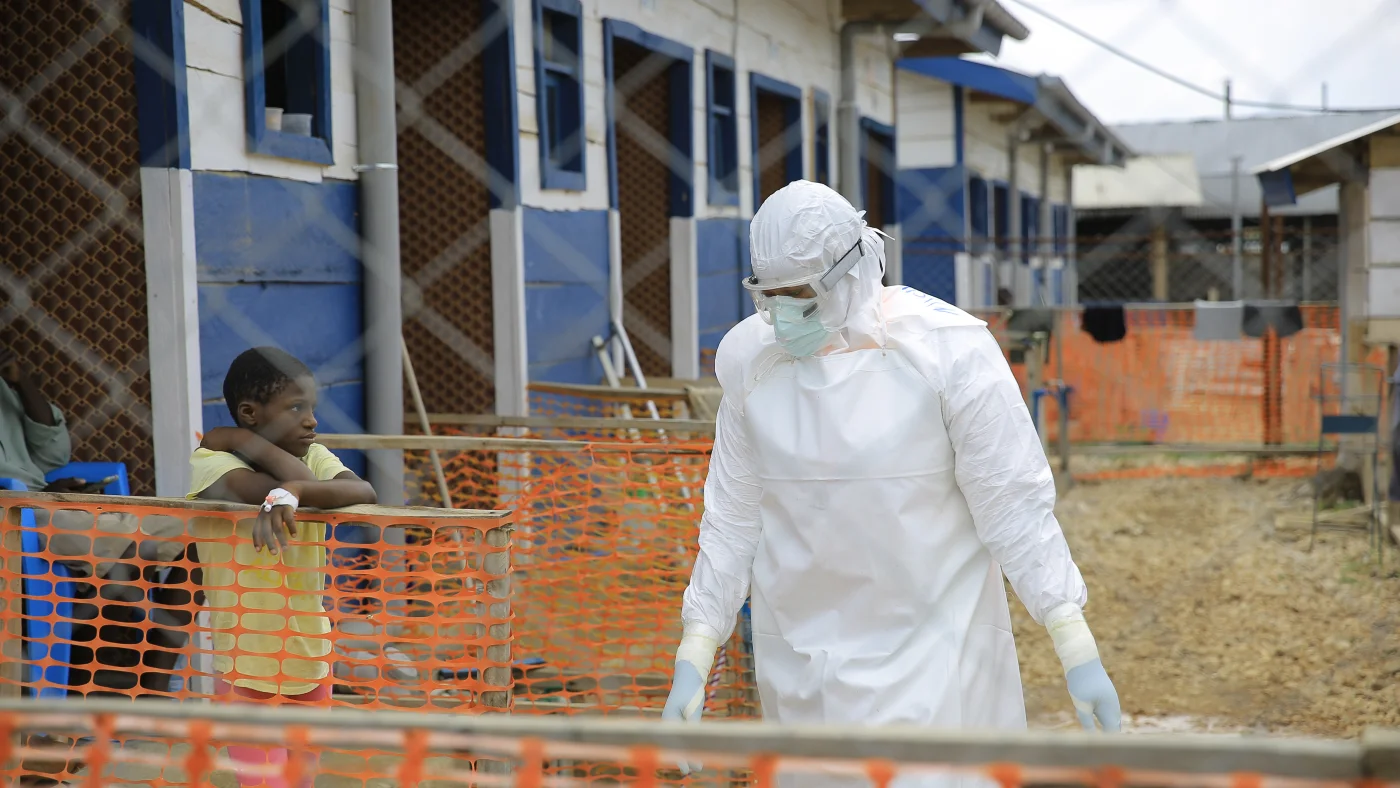
The government of the Democratic Republic of the Congo reported on Wednesday that the current Ebola outbreak has exceeded 11,000 cases. Data from the health ministry indicates that 11,042 people have been infected and 5,387 have died since the outbreak began, representing a fatality rate of nearly 50%.
The outbreak was first declared in mid-May 2026. Health authorities stated that containment efforts have been hindered by armed conflict, a crisis within the health system, poor roads, and community mistrust. The virus has now spread to eight of the country's 26 provinces and has been reported in neighboring countries including Uganda, Kenya, and Nigeria.
Medical officials identified the specific pathogen as the Bundibugyo virus, for which there is currently no known vaccine or treatment. Violence in the provinces of Ituri and North Kivu has led health authorities to request a cessation of fighting so medical personnel can reach the sick. Some community members, skeptical of the virus's existence, have targeted health facilities and medical professionals.
This event is now the deadliest Ebola outbreak in the history of the Congo. While dozens of outbreaks have occurred since the virus was discovered in 1976, this one is the second largest overall, trailing only the 2014-2016 West Africa outbreak. That earlier event saw 28,000 infections and 11,000 deaths over two years; health officials noted the current outbreak has produced three times the cases and deaths in the same relative timeframe.
The scale of the crisis is compounded by regional insecurity and infrastructure failures. With health workers facing physical attacks and restricted access due to armed conflict, people in hotspots like Ituri and North Kivu may find themselves without medical assistance or isolation facilities. This increases the likelihood of the virus spreading further within households and local markets. The reported spread to Uganda, Kenya, and Nigeria suggests that international travel and trade routes are impacted, which may lead to stricter border controls or screening measures for travelers and merchants across Central and West Africa.
The knock-on effects include a severe strain on the Congolese health system, which the government described as being in crisis. Continued violence and attacks on medical professionals could lead to a long-term withdrawal of international aid organizations or a collapse of local primary care services unrelated to Ebola. What happens next depends on whether a halt to the fighting in North Kivu and Ituri is achieved, as health workers require safe access to slow the transmission rate. No specific dates for ceasefire negotiations or the deployment of new medical resources were reported.