The Environmental Protection Agency (EPA) announced on Thursday that it expects to receive initial laboratory results by Friday regarding potential contamination from a controlled detonation in Iowa. The U.S. Army destroyed a 10,000-pound stockpile of deteriorating lead azide explosives on Wednesday at the Iowa Army Ammunition Plant in Middletown.
The Army conducted the detonation due to the risk of an unplanned explosion, stating that the lead azide had degraded during its 20 years in storage. According to the EPA, the material had undergone recrystallization, which increased its sensitivity to friction and shock. The 8th Circuit Court of Appeals had briefly halted the process last week but allowed it to proceed on Monday, ruling that environmental groups had not shown a likelihood of success in their challenge.
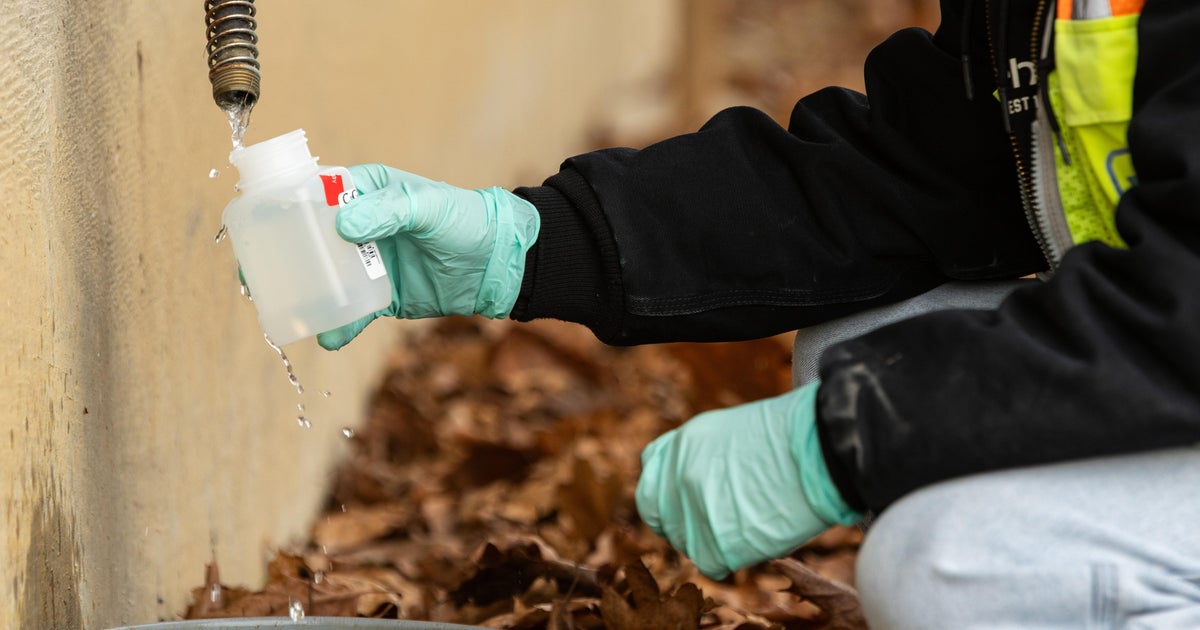
To monitor the impact, the EPA collected more than 1,500 air, water, soil, and dust samples before the event and more than 1,000 samples afterward. These samples were taken from more than 130 structures, including homes, schools, daycare centers, and churches, as well as parks, farms, drinking water sources, and the Mississippi River watershed. As of Thursday, the agency reported that no airborne lead had been detected in the region.
For a local household or school, the change involves waiting for specific data to determine if lead or other compounds have settled into the soil, water, or dust within their daily environment. The EPA stated it is testing for all substances that could potentially be released during such a detonation. While initial air monitoring showed no lead, the laboratory analysis of the 1,000 post-detonation samples will provide a more detailed assessment of whether residents will face long-term remediation needs or health monitoring.
The outcome of this testing will set a precedent for how the military and federal agencies handle the disposal of deteriorating munitions near residential areas. Within the federal government, the event has already prompted internal questions regarding the communication and elevation of such risks to senior officials. As of Thursday, the EPA is awaiting results from multiple private and agency labs, with the first sets of data expected to be processed and reported as early as Friday.