European officials will attend U.S.-mediated negotiations between Russia and Ukraine in Abu Dhabi, United Arab Emirates, scheduled for Tuesday and Wednesday. French Foreign Minister Jean-Noël Barrot announced the decision on Sunday, stating that France intended to ensure Europe's voice is heard. It remains unclear whether European representatives will participate directly in the negotiations or serve as observers.
The announcement follows statements from Kremlin spokesman Dmitry Peskov, who had previously ruled out a European presence at the talks. Peskov characterized the format as a trilateral session involving the United States, Russia, and Ukraine. However, President Trump stated on Thursday that a potential agreement would likely involve "all of Europe."
Russia's delegation will be led by presidential aide Vladimir Medinsky and will include officials such as Deputy Foreign Ministers Sergei Ryabkov and Mikhail Galuzin. This represents a more senior lineup than in previous rounds, which included a meeting in Geneva in February. Ukrainian President Volodymyr Zelenskyy has expressed caution regarding the talks, noting on Friday that he had not been briefed on the details of the agreement referenced by President Trump.
The inclusion of European officials and Russian diplomats affects the diplomatic landscape for residents in Ukraine and the border regions of Russia. For people living in conflict zones, these talks represent a potential path toward a broader ceasefire following a localized humanitarian truce recently brokered by Melania Trump. While earlier rounds of U.S.-mediated talks since early 2024 have shown little progress, the outcome of this session influences whether Ukraine continues to receive military and economic aid or moves toward a settlement involving territorial concessions and neutrality.
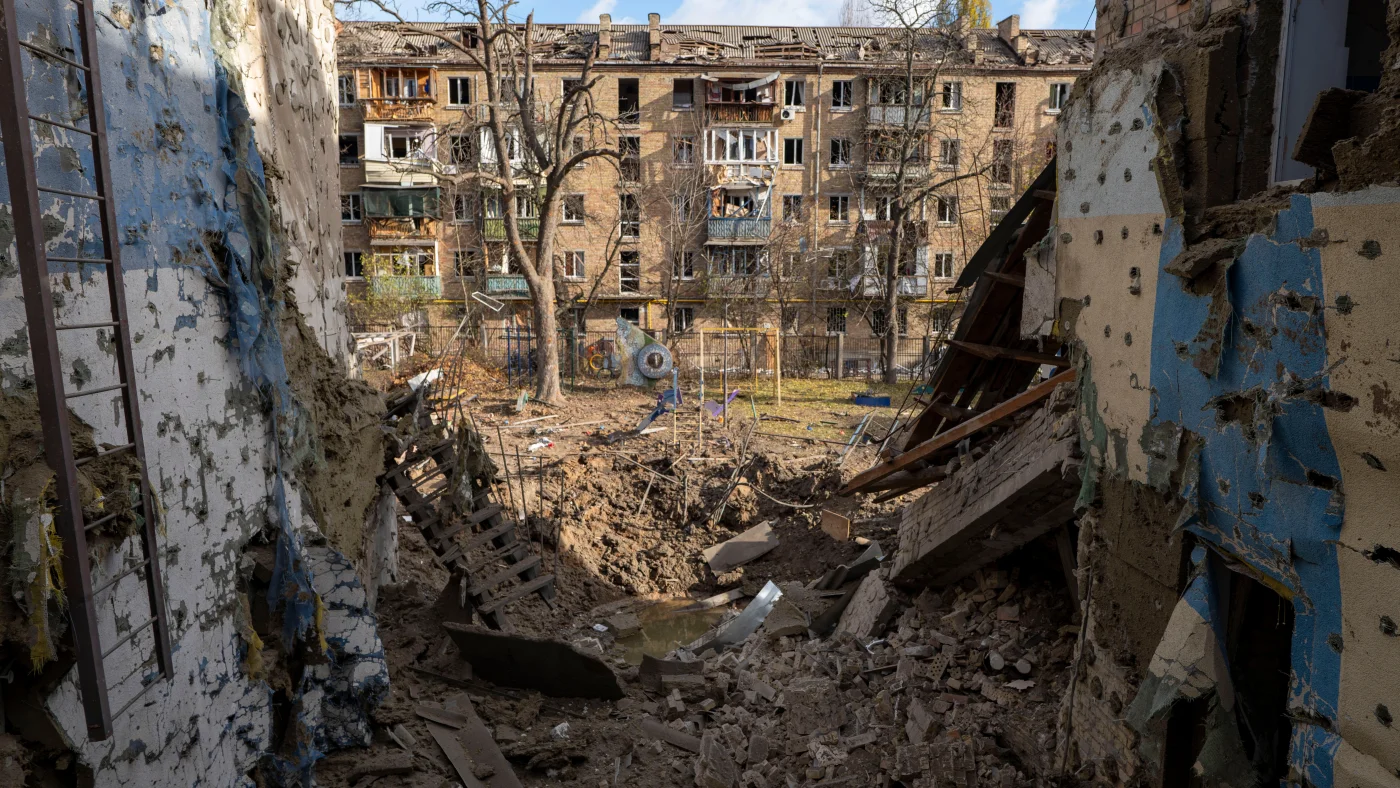
Specific stakeholders include the residents of the Kyiv area, where Zelenskyy reported 32 of 36 ballistic missiles struck on Saturday, and aid workers in southern Ukraine, where 55 people were recently reported killed in Komyshuvakha. For these groups, a successful "de-escalation," which envoy Steve Witkoff cited as a primary agenda item, would result in a reduction of guided-bomb and missile strikes. Conversely, if no agreement is reached, the conflict remains subject to the existing territorial demands of Russia, which include Ukraine renouncing NATO membership and ceding territory.
The broader geopolitical impact involves officials in the United States and various European capitals. Following recent U.S. midterm election results, some analysts suggest Russia may be motivated to reach terms before a Democratic-controlled Congress is seated in January. Any precedent set in Abu Dhabi regarding security guarantees will shape future policy. Following these talks, attention will turn to a potential trilateral meeting between the leaders of the U.S., China, and Russia at the Asia-Pacific Economic Cooperation summit in Shenzhen later this month.