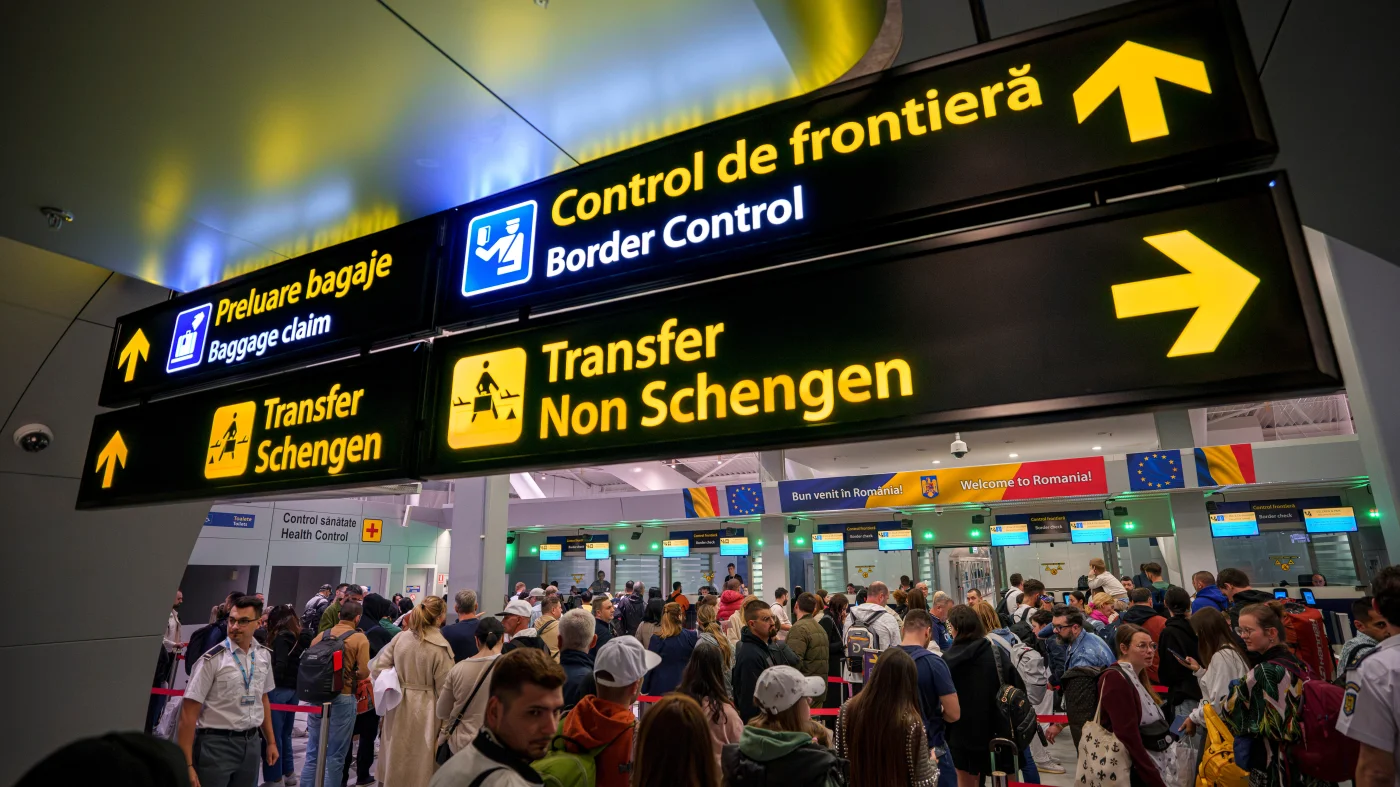
Officials across Europe reported multiple bomb threats against commercial flights and media organizations on Friday, November 6, 2026. The incidents followed a series of similar hoaxes earlier in the week that resulted in flight diversions. While no suspicious items were discovered and no injuries were reported, the threats prompted military escorts for aircraft in some regions and the evacuation of at least one national broadcaster.
European aviation authorities reported that the scale of the disruption remained low relative to total air traffic. Eurocontrol, the European air traffic authority, recorded 14 threats against flights on Thursday, November 5, and seven on Tuesday, November 3. Apostolos Tzitzikostas, the European Union's transportation commissioner, reported 11 additional threats on Friday. In Hungary, defense officials deployed fighter jets to escort three passenger planes through national airspace within a single hour after threats were received.
In addition to aviation, three media outlets were targeted on Friday. The Dublin headquarters of RTE, Ireland's national broadcaster, was evacuated for several hours, forcing live programming to be replaced by prerecorded content. Sky, a U.K.-based broadcaster, and NOVA TV in Bulgaria also reported receiving security threats. A spokesperson for NOVA TV stated the threat they received via email claimed the sender was also responsible for the recent threats against European air traffic.
Authorities have not officially attributed the threats to any specific group or state. One email reviewed by The Associated Press, sent to airport authorities in Rome, claimed to be from an anti-feminist group. Security experts are scheduled to meet in Brussels next week to discuss countermeasures. Aviation officials noted that while most flights continued to operate normally, airlines follow safety protocols that include inspections and occasional diversions, which increase operational costs.
For workers at targeted institutions like RTE in Ireland, the threats result in immediate workplace evacuations and the suspension of live operations. The financial impact falls on aviation companies and airports, which bear the costs of fuel for diversions, landing fees, and the mobilization of security personnel. In Hungary and France, the events triggered the deployment of national military assets or bomb disposal units to manage the security risks.
The broader impact involves a potential shift in European security policy as officials coordinate a response to what Irish Prime Minister Micheál Martin described as activities designed to cause anxiety and social disruption. Travelers may notice increased police presence at hubs like Copenhagen and Prague airports. A meeting of security experts in Brussels is set for next week to discuss the rash of threats, which could lead to changes in how airlines and air traffic controllers manage communication and diversions during future threats.