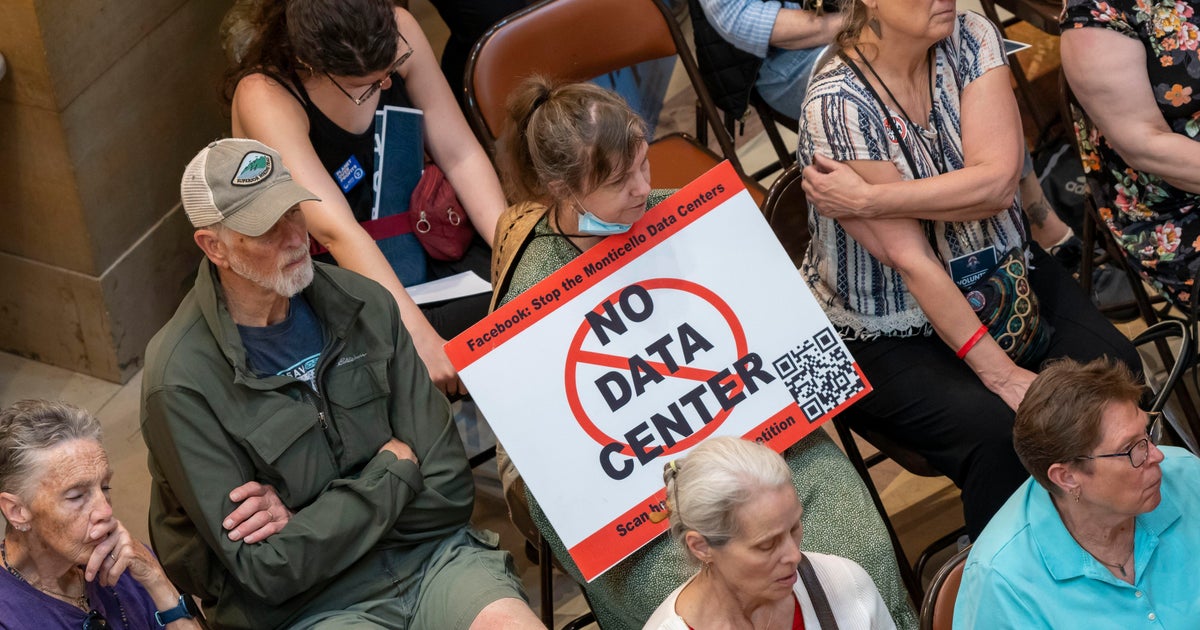
--- Exit polls from the 2026 midterm elections indicate that a majority of voters nationwide and in Senate battleground states oppose the construction of artificial intelligence (AI) data centers in their local communities. While more than half of voters identified data centers as a factor in their voting decisions, the issue was not ranked as the most critical concern overall.
The data suggests a correlation between skepticism toward AI technology and opposition to the infrastructure required to support it. According to CBS News polling, voters who believe AI does more harm than good were generally opposed to local data centers, while those who view AI as a societal benefit were more receptive to them.
The polling revealed that opposition to data centers favored Democratic candidates, as most voters who shared this view supported the Democratic party. However, the sentiment crossed party lines; a majority of self-identified Republicans also expressed resistance to new data centers in their areas, even though they continued to vote for Republican candidates. In states such as Ohio and Texas, Democratic candidates like Senator-elect Sherrod Brown and Governor-elect Gina Hinojosa made the issue a central part of their platforms.
For local governments and technology companies, this resistance marks a shift in how infrastructure is perceived by the electorate. Candidates have begun to win elections by centering their platforms on opposition to such projects. The exit polls, which included interviews with thousands of voters at polling locations and through early voting channels, indicate that this skepticism is a consistent factor in both battleground and non-battleground states.
What happens next depends on how newly elected officials, such as those in Ohio and Texas, translate their campaign stances into policy. Results were still being updated as final votes were counted. Further developments may include legislative efforts to address environmental resource concerns or to balance the demand for AI infrastructure with public opposition. ---