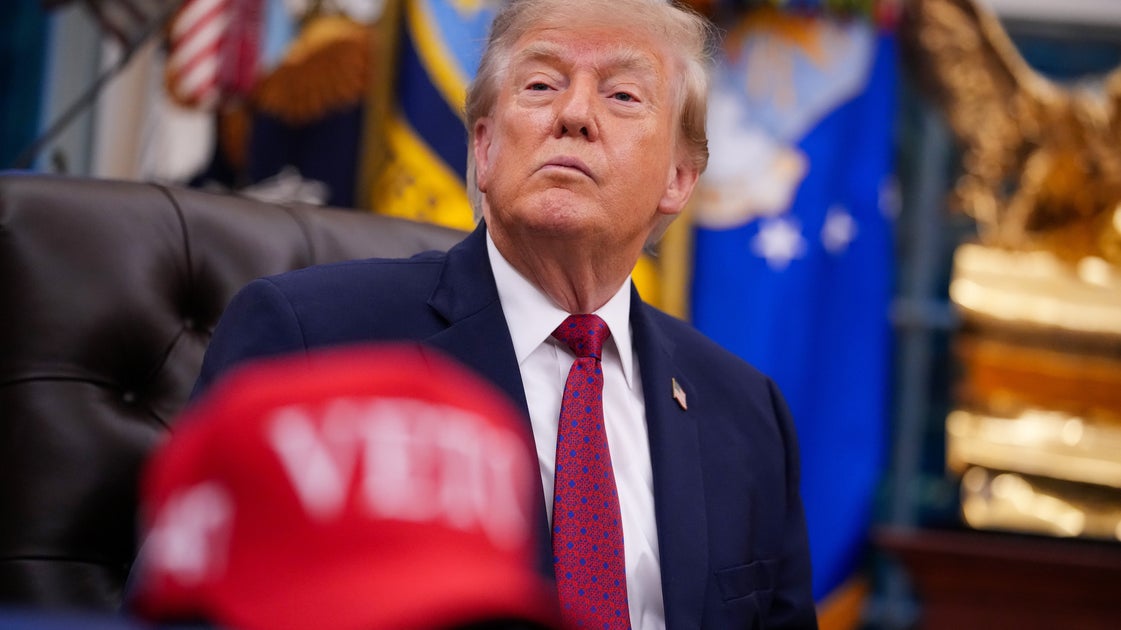
President Donald Trump has maintained a calm public demeanor following the 2026 midterm elections, a shift that behavioral health experts interviewed by HuffPost characterize as a strategic attempt to manage his public image. In the wake of election results where Democrats gained control of both the House and the Senate, Trump has publicly focused on White House construction projects, such as a ballroom, and designated the Oval Office as a national monument. While he previously stated he would become "Mr. Veto" if Republicans lost Congress, his post-election conduct has focused on narratives of personal control.
Denise Dudley, a clinical psychologist, described the president’s reaction as "impression management," noting that by appearing calm, he projects confidence. Dudley observed that Trump has reminded the public of his veto power, a move she categorized as "power preservation."
Shenikka Moore-Clarke, a therapist and owner of The Healing Vibe, stated that the president may be distancing himself from the party's performance. She expressed uncertainty regarding whether this demeanor would remain consistent, citing the president's history of unpredictability.
The scale of this shift is reflected in the transfer of legislative power, as Democrats now hold the majority in both the House and Senate. This change in leadership means the president must navigate a government where his party does not set the floor agenda or chair committees.
Neuropsychologist Will Lacey-Bisetty suggested that the president’s future reactions may depend on the specific actions taken by the new Democratic majority. He noted that if Democrats successfully push for policy changes that the president perceives as a threat, he may revert to defensive patterns. Conversely, if the opposition fails to make progress, the president may return to a self-centered public presentation. The newly elected Congress is expected to be seated in early 2027.