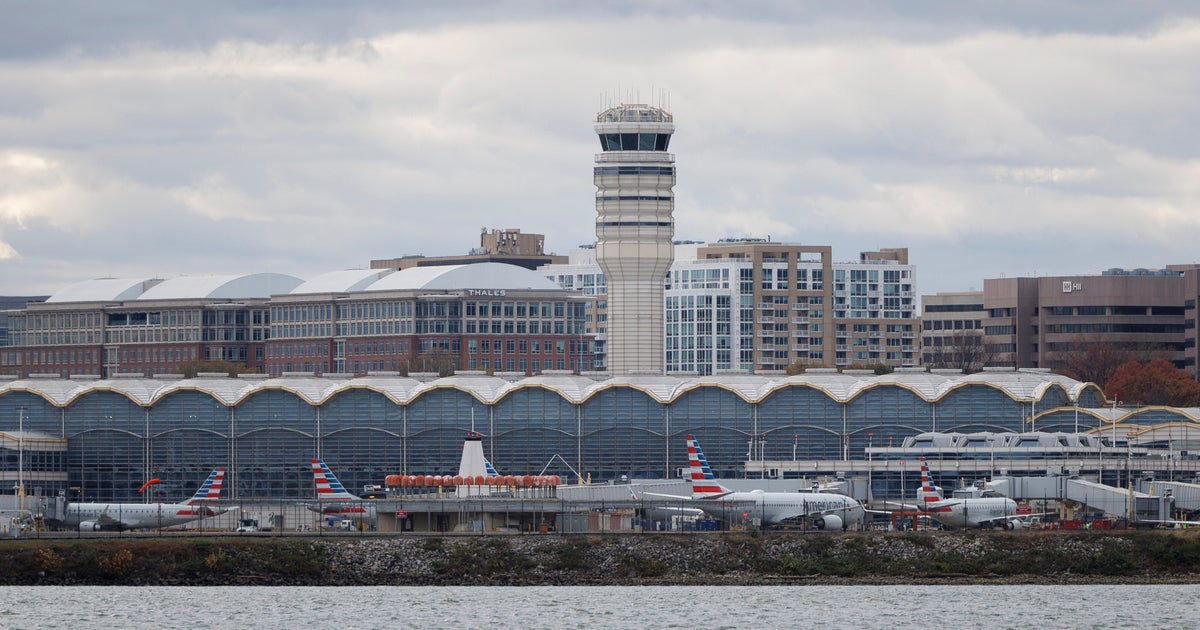
A nearly five-hour nationwide ground stop that began on Friday, Nov. 13, has disrupted more than 20,000 flights across the United States. Transportation Secretary Sean Duffy stated on Saturday, Nov. 14, that the failure may have been caused by a single router installed by government contractor L3Harris during routine maintenance.
The incident occurred as the Federal Aviation Administration (FAA) attempted to transition telecommunication lines from copper wire to fiber-optic systems. According to government officials, the FAA manages an aging infrastructure where some routers are approximately 25 years old and were originally scheduled for replacement in 2006. The FAA currently spends $1 billion annually to maintain these older copper systems.
Secretary Duffy reported that during the maintenance work at a remote location, a router began flooding other devices with more than 1,000 connection attempts every four to five seconds. This caused data instability across 17 of the FAA’s 22 en route centers, affecting communications with planes and radar. Officials are investigating whether the disruption resulted from a faulty router or an installation error. L3Harris stated it is supporting the FAA investigation and noted that it has completed 70% of the planned conversion to fiber-optic systems.
The failure highlights the ongoing reliance of the U.S. aviation system on decades-old technology, including Compaq computers and replacement parts sourced from secondary markets like eBay. For the traveling public, this means that routine infrastructure maintenance can lead to systemic failures that halt air travel nationwide. The FAA recently confirmed it still uses floppy disks at more than 400 facilities and utilizes paper strips for tracking aircraft, with modernization efforts for the latter not expected to be complete until 2028.
As a result of this incident, Secretary Duffy stated the Department of Transportation will reevaluate when maintenance work is performed at smaller facilities to minimize future travel disruptions. The FAA has already received $12.5 billion from Congress for system upgrades, and Duffy has requested an additional $50 billion for air traffic control and airports. The investigation into the root cause of the router failure is ongoing.