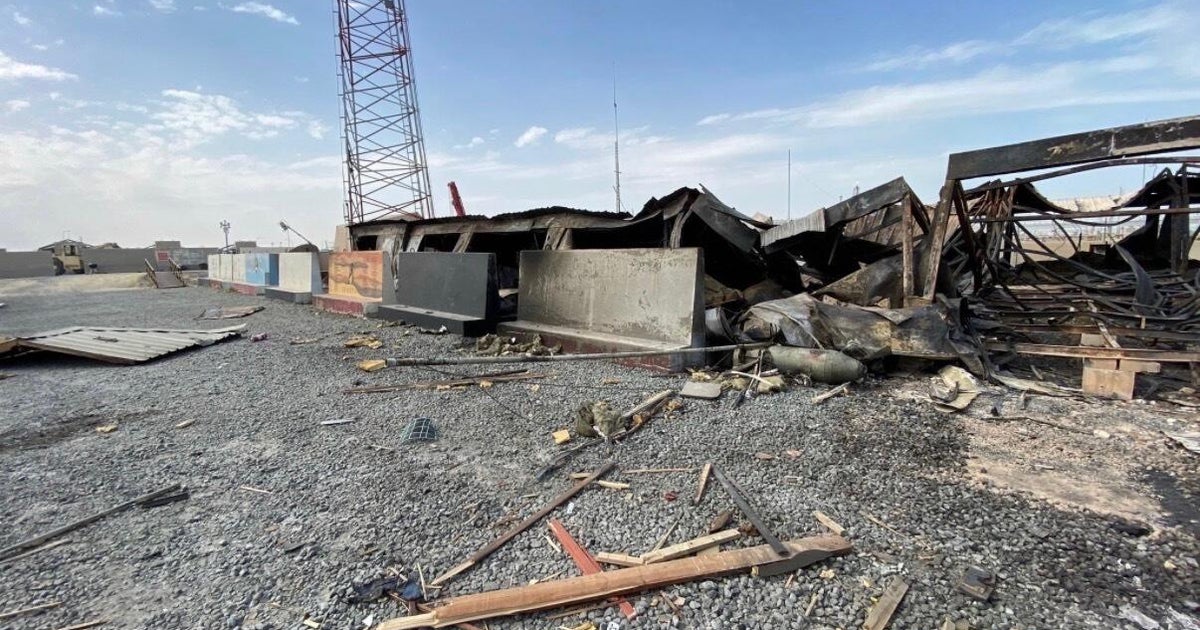
The U.S. Army recently held private briefings for the families of six Army Reserve soldiers killed by an Iranian drone strike at Port Shuaiba, Kuwait, on March 1, 2026. The meetings, led by Brig. Gen. Peter Glass of U.S. Army Central, were intended to share unclassified findings from a long-awaited internal investigation into the attack. While the full report has not yet been released to the public, the Pentagon indicated it could be made available within days.
The strike occurred during the early stages of Operation Epic Fury and is described as the deadliest attack on U.S. soldiers during the Iran conflict. Several Gold Star families who attended the briefings told CBS News they were frustrated, stating the report did not adequately address their concerns regarding military preparations and the command's response. The Pentagon confirmed its internal probe concluded in June, though the findings were not shared with the families until mid-November.
A whistleblower complaint filed to Congress on Nov. 13 by Army Maj. Stephen Ramsbottom, a survivor of the strike, alleges that senior military officials ignored repeated warnings about drone threats at the command post. Ramsbottom's complaint, submitted to the House and Senate Armed Services Committees, claims the site had "no dedicated protection" against one-way attack drones. He identified Brig. Gen. Clint Barnes and Maj. Gen. John Hinson as officials who dismissed warnings; neither official responded to requests for comment.
Families also questioned why the unit remained at Port Shuaiba while most other soldiers were moved out of Kuwait before the launch of the war. During the briefings, investigators told Joey Amor, whose wife Master Sgt. Nicole Amor was killed, that medical resources would not have changed the outcome due to the severity of her injuries. However, Amor stated he believed his wife might have survived if a better protection plan had been in place.
The investigation affects the families of the six Army Reserve soldiers killed, as well as survivors like Maj. Stephen Ramsbottom who are seeking accountability through congressional channels. The families expressed dissatisfaction with the transparency of the process, noting that the months-long gap between the conclusion of the investigation in June and the briefings in November left them without answers.
On a broader scale, the incident highlights questions regarding the defensive preparations for U.S. troops stationed at logistics hubs in the Middle East. According to witnesses and the whistleblower complaint, service members at Port Shuaiba were operating at a site that lacked fortified facilities and sufficient medical supplies for mass casualty incidents, despite allegedly being on an Iranian target list. The outcome of this report may influence how the Department of Defense addresses protection against one-way attack drones.
What happens next depends on the public release of the unclassified report, which the Pentagon stated could occur in late November 2026. The House and Senate Armed Services Committees are currently in possession of the whistleblower complaint submitted on Nov. 13, which calls for an independent investigation into the command decisions leading up to the March 1 strike. No specific dates for committee hearings or further official responses have been reported.