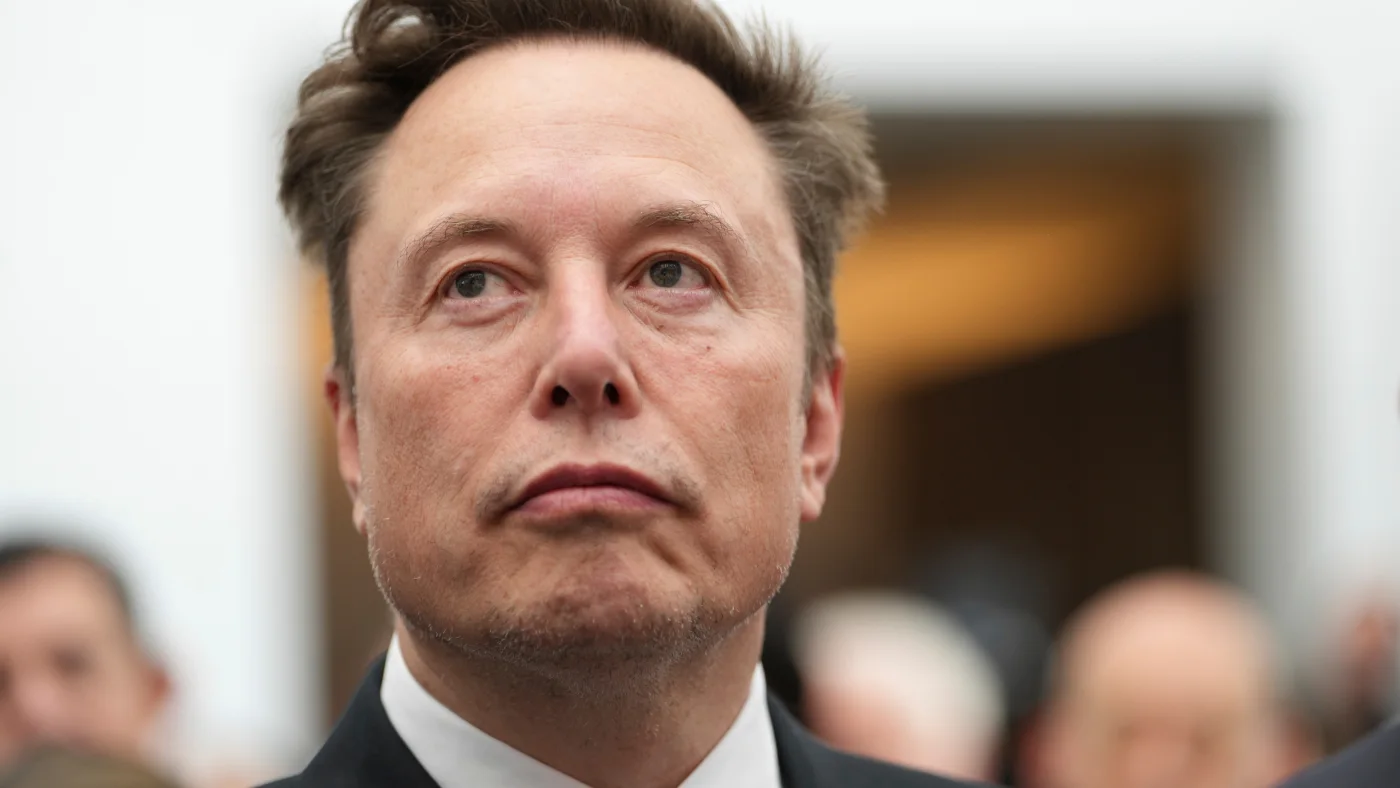
The Federal Communications Commission (FCC) on Wednesday, November 25, 2026, authorized SpaceX to deploy up to 1 million satellites to create orbital data centers. The project, named "Starmind," consists of "orbital compute modules" designed to process large amounts of data for use on Earth. FCC Chairman Brendan Carr stated the move opens a new frontier in the artificial intelligence race, while SpaceX CEO Elon Musk said the constellation would be a great asset to America and the world.
SpaceX initially filed its request for the orbital data centers in January 2026 and discussed the project further in its May 2026 initial public offering (IPO) filing. The company stated that space-based facilities could handle intense AI demand and generate energy more efficiently than land-based warehouses, which have faced local opposition due to noise and resource use. In its application, SpaceX described the deployment as a step toward tapping the full energy output of the sun, referencing the "Kardashev II-level civilization" concept.
Under the FCC's authorization order, SpaceX is required to deploy at least one authorized space station by 2033, with more to be added gradually through 2040. The company previously indicated in IPO documents that it expects to begin launching AI compute satellites as early as 2028. The satellites are intended to perform telemetry, tracking, and command operations while connecting to other satellites, including the Starlink system.
The decision has met with skepticism from some members of the scientific community regarding technical feasibility and environmental impact. Astrophysicist Adam Becker described the plan as a "fantasy," citing the physical difficulty of radiating heat in a vacuum and the risk of "cascading" debris collisions in low Earth orbit. The American Astronomical Society (AAS) issued a statement saying it was "dismayed" by the decision, arguing that the large number of bright objects would interfere with astronomical study and public viewing of the night sky.
The authorization directly affects commercial satellite competitors, including Amazon-owned Kuiper Systems and Viasat, both of which petitioned the FCC to deny the SpaceX request. It also impacts the global astronomical community and the public, as the AAS reports the satellites will be visible as bright objects in the night sky for extended periods. If fully deployed, the scale of this project—1 million satellites—would dwarf the current number of objects in low Earth orbit, where weather and telecommunications satellites currently operate.
For proponents, the shift to space-based data centers is proposed as a solution to the growing environmental footprint of terrestrial computing. On Earth, data centers have become a focal point for some voters, with dozens of midterm ballot proposals aimed at restricting their construction due to noise and the high consumption of electricity and water. By moving these processes to space, SpaceX aims to utilize solar power, though critics note this may lead to atmospheric pollution from rocket launches and satellite reentries.
The next steps for the project are defined by federal regulatory deadlines and company targets. SpaceX is required to have its first station in place by 2033, though the company plans to start deployment by 2028. While the FCC dismissed certain environmental concerns on the grounds of lack of authority, the regulator maintained that SpaceX's plan complies with existing orbital debris rules. Future developments will depend on SpaceX's ability to overcome the technical challenges of cooling hardware in a vacuum and managing the financial costs of the launch schedule.