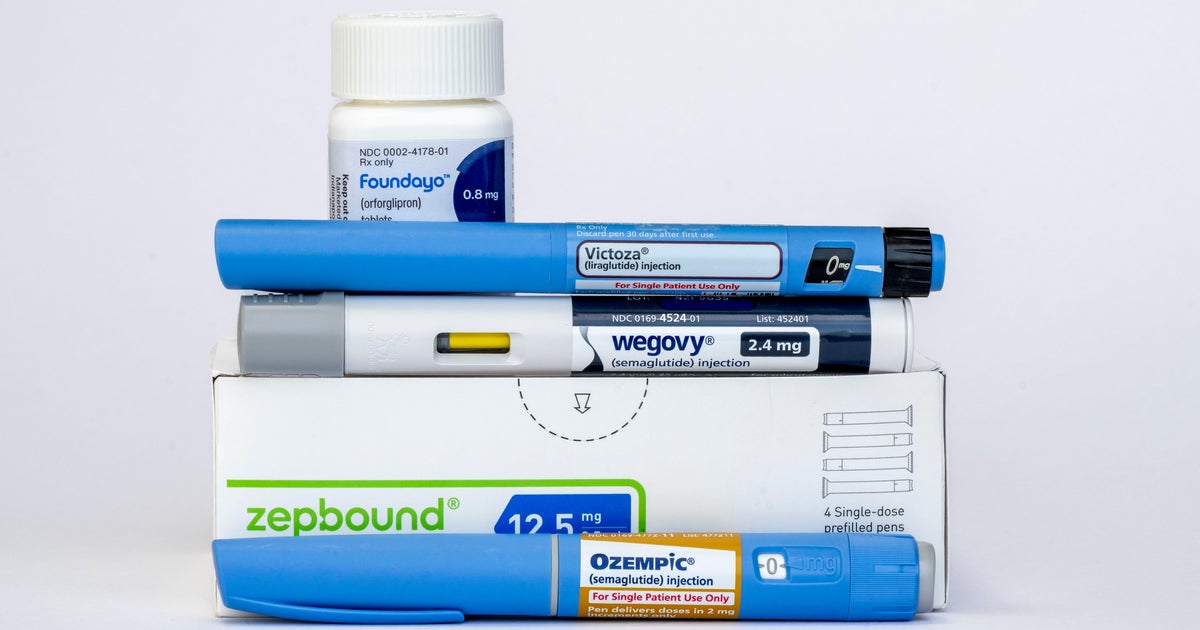
The Food and Drug Administration (FDA) announced on Monday, Nov. 9, 2026, that all GLP-1 drugs must add a warning label regarding a rare risk of permanent vision loss. The condition, known as non-arteritic anterior ischemic optic neuropathy (NAION), occurs when blood flow to the optic nerve is reduced or blocked. The mandate applies to approximately a dozen medications used for weight loss and diabetes, including brands such as Ozempic, Wegovy, Zepbound, and Mounjaro.
FDA scientists began reviewing the issue following a 2024 study in JAMA Ophthalmology, which found that patients with diabetes prescribed semaglutide were four times as likely to develop NAION as those who were not. An FDA analysis of more than 125 clinical trials indicated that the condition occurred in roughly 6 of every 100,000 patients who took a GLP-1 drug for at least one year. By comparison, the rate for patients taking placebos or other glucose-lowering medications was less than 4 per 100,000.
Novo Nordisk, the manufacturer of Ozempic and Wegovy, stated that it believes current data does not establish a cause-and-effect relationship, though it will continue to monitor the safety of its medicines. Eli Lilly, which produces Zepbound and Mounjaro, said it was evaluating the update and noted that the FDA’s drug safety communication does not reference findings specific only to Lilly medicines. Dr. Joseph Rizzo, a neuro-ophthalmologist who co-authored the 2024 paper, noted that vision loss from NAION is generally irreversible and can worsen even if medication is stopped.
The requirement sets a precedent for the safety labeling of drugs that have gained widespread use for weight management. Because NAION has no known treatment, the new labels serve to inform patients and doctors of a risk that was not previously detailed in the drug packaging. Patients with existing risk factors for NAION—including those with Type 2 diabetes, obesity, sleep apnea, or hypertension—may now have more detailed discussions with their providers regarding the benefit-risk profile of these medications.
What happens next involves the implementation of these labeling changes across marketed GLP-1 medications. Eli Lilly stated on Nov. 9, 2026, that it would respond to the FDA promptly regarding the mandate. While FDA scientists have not yet identified the specific biological mechanism by which these drugs might increase eye risk, the agency will continue to monitor its electronic reporting system for side effects. Patients currently taking these medications are advised by the FDA to contact their doctors if they experience visual disturbances, but Dr. Rizzo noted he does not discourage usage due to the drugs' overall benefits for many people.