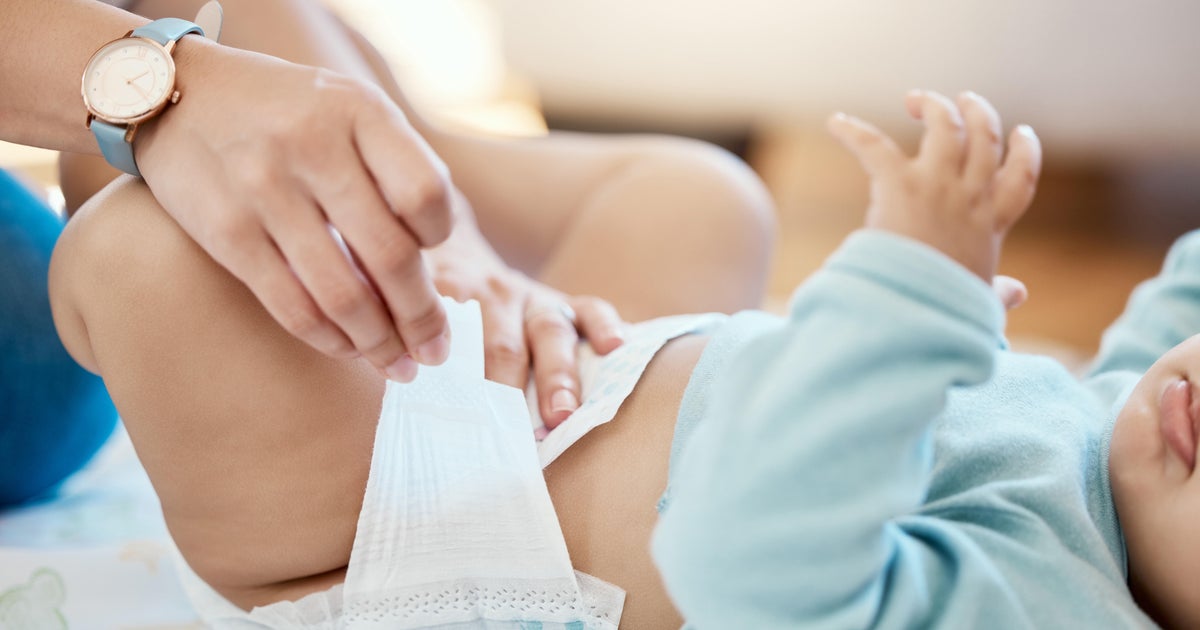
A CBS News analysis of Consumer Product Safety Commission (CPSC) records found that diapers are among the products most frequently cited in child injury reports, yet they have never been the subject of a federal recall. Reports from parents and healthcare professionals describe incidents of severe rashes and "chemical burns" associated with various brands over the last 15 years. Despite these complaints, the CPSC has not established dedicated safety standards for diapers beyond general rules for infant products.
The CPSC, the federal agency responsible for consumer product safety, currently evaluates diapers under broad infant and toddler guidelines that require testing for contaminants like lead. However, unlike cribs or strollers, diapers are not subject to mandatory ingredient disclosure or standardized absorbency testing. While several states, including California, New York, and Illinois, have passed laws requiring manufacturers to list ingredients on packaging, there is no equivalent federal requirement.
In 2026, reports reached a peak with more than 700 incidents involving Millie Moon diapers reported to the CPSC through mid-October. This total exceeds the combined complaints for all other diaper manufacturers over the previous 15 years. Millie Moon stated that its independent testing found no product-related cause for the reactions and noted that complaints represent fewer than 0.1% of packs sold. Other manufacturers, including Kimberly-Clark (Huggies) and Procter & Gamble (Pampers), have faced similar allegations and lawsuits in previous years, though both companies maintain their products are safe and rigorous testing supports their use.
The scale of reported incidents involves hundreds of families across the country. In 2026 alone, 735 reports were filed regarding a single brand, while previous years saw significant clusters such as 83 reports for Huggies in 2025 and 77 for Pampers in 2011. For families whose children suffer from reactions, the day-to-day impact includes medical expenses for pediatrician visits and prescription steroid creams. Because the CPSC has never issued a safety warning or recall for diapers, consumers currently have no federal mechanism for obtaining refunds or exchanges based on these safety signals.
What happens next depends on the CPSC's ongoing investigation into recent incident reports. The agency stated it is open to new rulemaking but noted that a recall requires establishing a "substantial product hazard," a threshold that past diaper investigations have failed to meet. While federal policy remains unchanged, manufacturers in California must now comply with AB1901, which requires full ingredient disclosure. Advocates suggest these state-level mandates may eventually lead to standardized labeling across the national market as brands seek to maintain uniform packaging. Parents are encouraged to report any suspected safety issues to the federal SaferProducts.gov database.