President Donald Trump signed the "One Big Beautiful Bill" into law last year, introducing changes to the Supplemental Nutrition Assistance Program (SNAP) and Medicaid. The legislation expanded work requirements to include able-bodied adults aged 55 to 64. To maintain eligibility for food aid, individuals in this age bracket must now work, train, or volunteer for at least 80 hours per month.
The administration stated these measures are intended to address waste, fraud, and abuse. White House spokeswoman Allison Schuster said the legislation aims to ensure SNAP serves as temporary assistance for eligible Americans who need it. The Center for Budget and Policy Priorities, a research institute, estimated that 5 million people nationwide have lost federal food benefits since the changes were implemented.
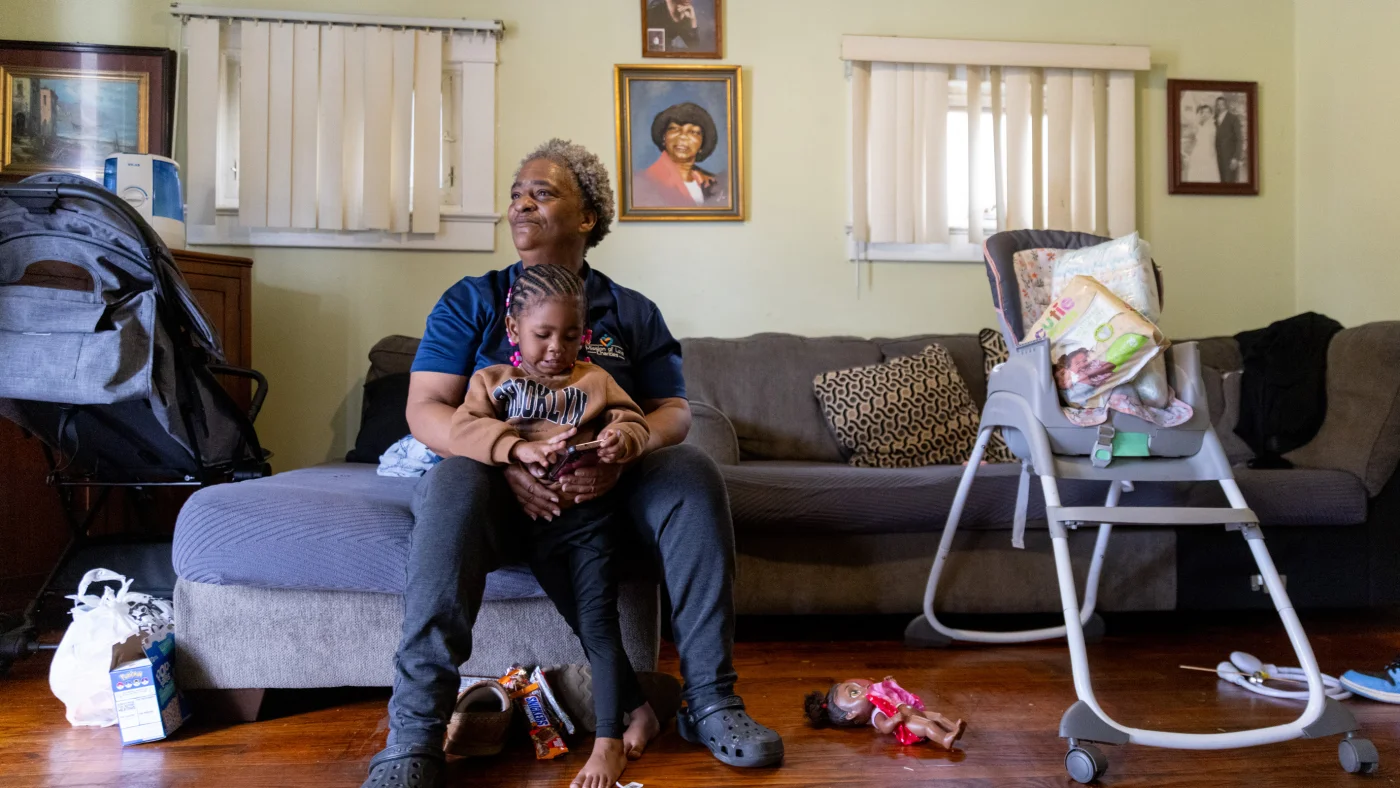
In Maryland, some residents have turned to nonprofit organizations to fulfill the new requirements. Lisa Reese, a 62-year-old retiree who receives $63 per month in SNAP benefits, currently volunteers 80 hours a month at Mission of Love Charities to remain eligible. Reese retired from a career in hospitality to care for her mother, an uncle recovering from cancer surgery, and her 2-year-old granddaughter. While Maryland has streamlined its application process, local case workers report a difficult labor market for older applicants.
The scale of the impact involves millions of people. With an estimated 5 million people losing benefits nationally, the reduction in SNAP enrollment represents a decrease in federal outlays. For individual households, the complication of benefits occurs alongside rising costs of living; Reese noted a gas bill that reached $500 in a single month. For those who cannot find 80 hours of qualifying work or volunteer positions, the result is the loss of monthly grocery funds, forcing reliance on local food pantries, some of which are reporting increased demand and reduced service frequency.
What happens next involves the implementation of similar rules for healthcare. Work requirements for Medicaid are scheduled to take effect next year. While Democrats in Congress have expressed a desire to roll back these legislative changes, the Trump administration maintains that the current rules have brought down costs. Retirees currently balancing these rules, such as Reese, may face a choice between finding part-time employment to pay for private health insurance or continuing to meet requirements until they reach age 65.