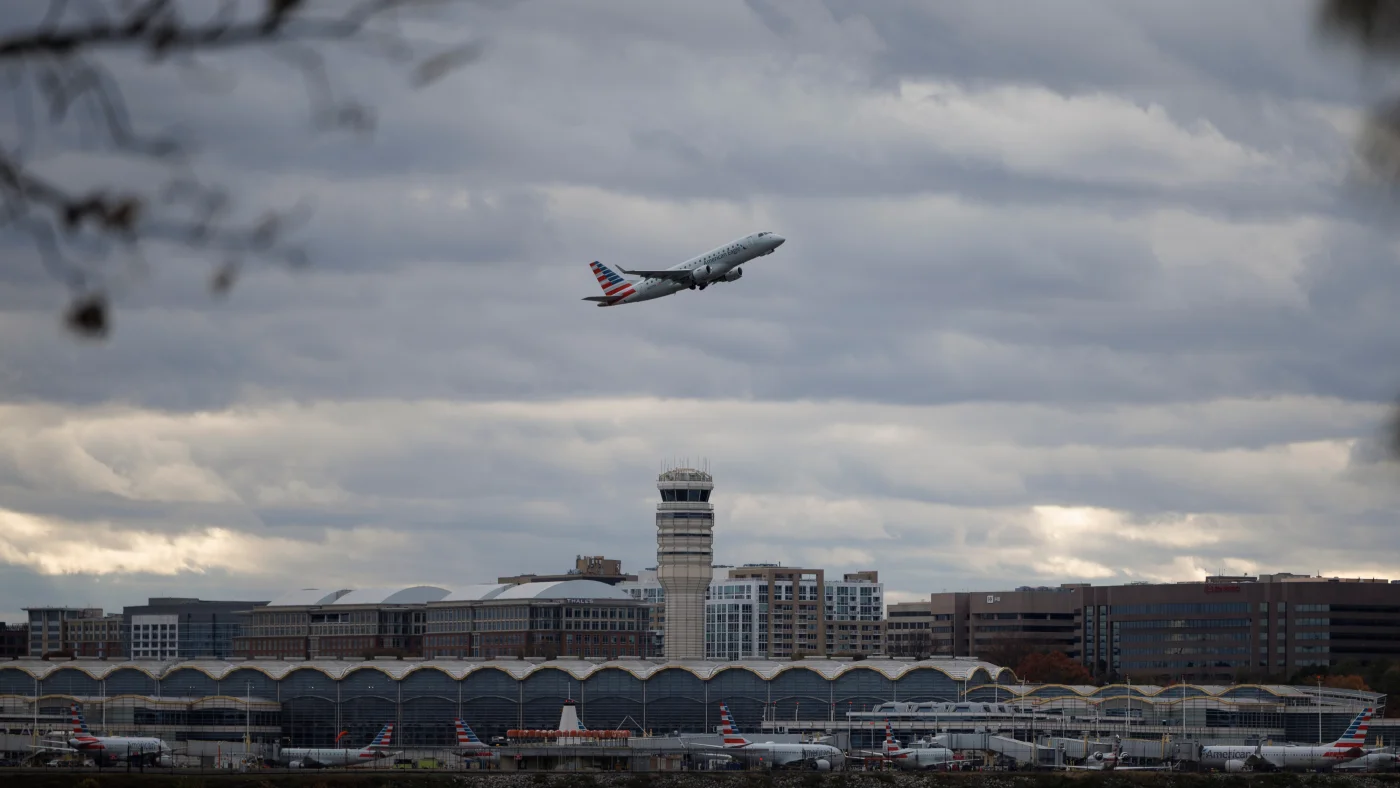
Air travel disruptions continued across the United States through Sunday evening following a nationwide ground stop on Friday, Nov. 13, 2026. U.S. Transportation Secretary Sean Duffy stated on Sunday that he expects flight operations to return to normal by the end of Monday. The Federal Aviation Administration (FAA) attributed the disruption to an equipment issue that occurred during a telecommunications network upgrade.
The ground stop was triggered when legacy FAA equipment became overloaded during work to replace copper wiring with fiber-optic cables. Secretary Duffy identified the source of the system-wide data flooding as a radar site in Amarillo, Texas, and a radio communications site in El Dorado, Arkansas. The project was being conducted by federal contractor L3Harris Technologies Inc., which stated on Saturday that it is cooperating with the FAA investigation and has completed 70% of the planned communications conversion.
As of Sunday evening, FlightAware.com reported more than 2,300 flight cancellations and 8,000 delays. The most significant impacts were recorded at airports in Atlanta and Dallas-Fort Worth, which each saw more than 250 delayed flights. Secretary Duffy explained that the delays persist because aircraft and crews were left out of position by Friday’s stoppage, requiring time for airlines to reorganize their schedules.
The event has led to a dispute over federal funding for aviation infrastructure. President Trump and Secretary Duffy requested $50 billion in emergency funding on Friday to modernize the air traffic control network, which Duffy described as neglected for decades. The President stated on social media that the upgrades should be completed "all at once, not in drips and drabs."
Democratic Representatives André Carson of Indiana and Rick Larsen of Washington questioned the request for additional funds. In a joint statement on Saturday, the lawmakers noted that while Congress approved $12.5 billion for safety upgrades in 2025, only $1 billion has been spent and $8 billion remains unobligated. Nick Daniels, president of the National Air Traffic Controllers Association, stated on Sunday that the incident highlights the challenges of working with unreliable equipment and called for a full review of mitigation plans.
The situation involves $12.5 billion in existing taxpayer funds and a new request for $50 billion in emergency spending. For the average citizen, the resolution of this funding debate will determine the pace at which the FAA replaces aging copper-wire systems with modern fiber optics. If the requested $50 billion is approved, it would represent a fourfold increase over the 2025 appropriation. However, with $11 billion of the previous funding currently unspent, the debate in Congress centers on whether the bottleneck is a lack of capital or a delay in project execution by the DOT and its contractors.
Beyond immediate travel delays, the failure of legacy equipment during a routine upgrade sets a precedent for how the FAA manages technical transitions. A successful investigation into the Amarillo and El Dorado sites is necessary to prevent similar nationwide ground stops during future phases of the 30% remaining fiber-optic conversion. The next steps include an ongoing FAA investigation into L3Harris Technologies' maintenance procedures and potential congressional hearings where the House Transportation and Infrastructure Committee will review the administration's obligation of existing funds.