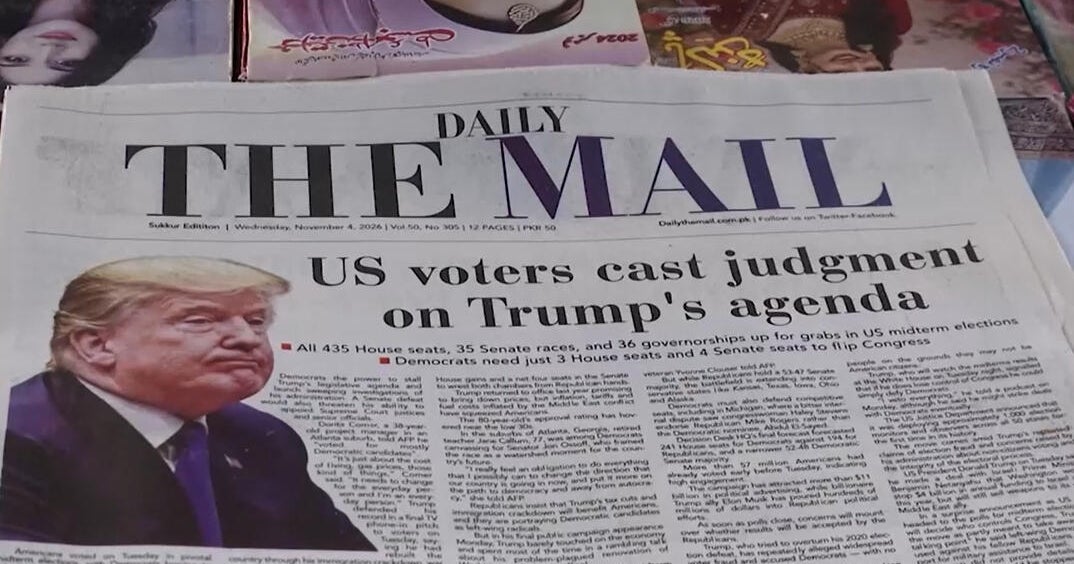
Foreign leaders and government officials issued statements regarding the U.S. midterm election results, which saw the Democratic Party take control of both the House of Representatives and the Senate. The outcomes were described by various international figures as a reflection of American voter sentiment regarding the ongoing conflict with Iran and domestic economic conditions. While some leaders expressed hope for shifts in U.S. foreign policy, others indicated that their own strategic positions would remain unchanged.
The election occurred approximately eight months after the United States launched a war with Iran, a conflict that British Prime Minister Andy Burnham and others linked to rising global costs of living. During the same period, the U.S. has been mediating between Russia and Ukraine to resolve a four-year war. The Trump administration has also faced strained relations with South Africa over allegations of genocide against the Afrikaner population, leading to U.S. sanctions and refugee applications from 17,000 individuals.
Iranian Supreme Leader Ayatollah Mojtaba Khamenei stated that he does not expect the election results to change Washington’s "system of domination" or its hostility toward Iran. However, Iranian negotiator Mohammad Bagher Ghalibaf said the results signaled a rejection of the war, citing the cost of living as a factor. In Russia, Kremlin spokesman Dmitry Peskov expressed hope that President Trump would continue mediation efforts between Russia and Ukraine, despite Deputy Foreign Minister Sergei Ryabkov noting Moscow’s historically negative relations with the Democratic Party.
European officials suggested the shift in Congressional leadership could alter U.S. engagement with the world. EU diplomat Kaja Kallas and German Foreign Minister Johann Wadephul both stated they anticipated increased support for Ukraine and closer cooperation on environmental issues. Spanish Prime Minister Pedro Sanchez characterized the results as a setback for right-wing populism, while Norwegian Prime Minister Jonas Gahr Stoere said the results brought voices into American politics that are more aligned with European positions on climate and development aid.
The scale of the shift is significant as it involves the leadership of both chambers of Congress. This change could directly influence the U.S. defense budget and the direction of the eight-month-old war with Iran, which British Prime Minister Burnham noted is tied to global inflation. A person in Europe or the U.S. might notice changes in fuel prices or the cost of imported goods if U.S. foreign policy shifts toward resolving conflicts that have disrupted energy markets. These changes typically manifest following the seating of the new Congress and the subsequent passage of new spending bills or oversight hearings.
The result also sets a precedent for how domestic economic frustration, such as the cost of living mentioned by leaders in Iran and the U.K., can impact a sitting administration’s foreign policy mandate. The next major steps include a scheduled round of U.S.-brokered talks between Russia and Ukraine in Abu Dhabi on November 10-11. Additionally, Spanish Prime Minister Sanchez indicated that the U.S. results may influence political trends in Spain’s upcoming election on November 29. The international community will now monitor whether the Trump administration adjusts its policies on gasoline prices and international involvement in response to the vote.