The Plain Record

Neutral daily news — clear headlines, complete facts.

Legal

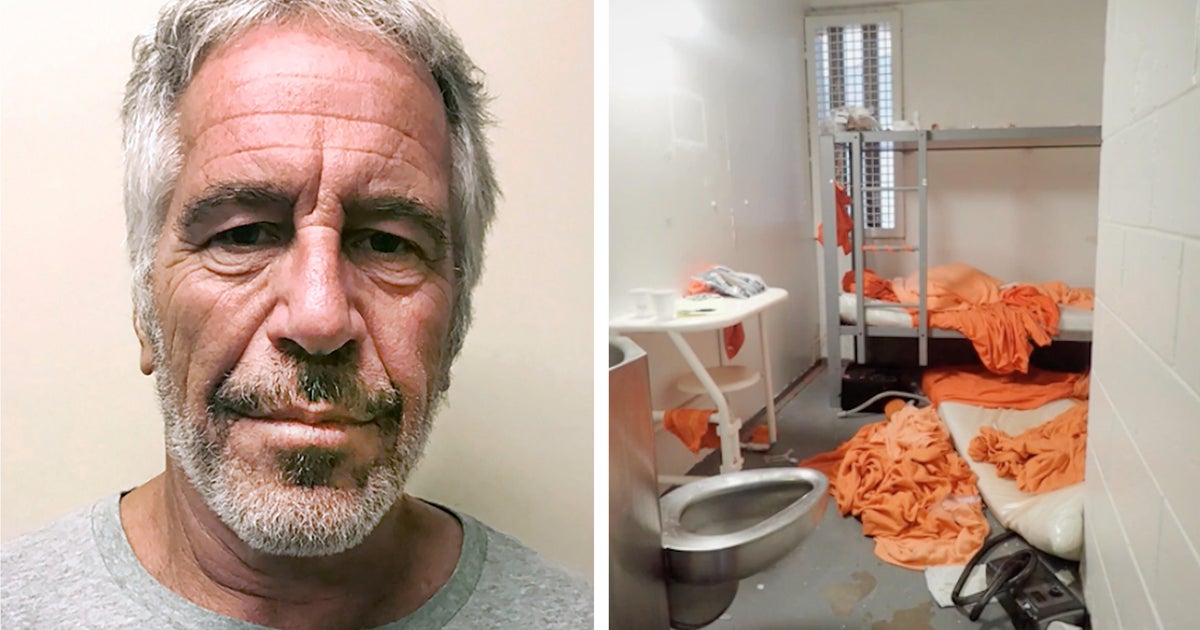
Forensics expert contends Jeffrey Epstein's death was a homicide

Forensic expert Dr. Michael Freeman presented a report Monday challenging the 2019 ruling that Jeffrey Epstein died by suicide, citing evidence of a struggle.

By The Plain RecordUpdated November 16, 2026 at 7:42 PM EST
Published November 16, 2026 at 6:50 PM EST

The short answer

Forensic expert Dr. Michael Freeman presented a report Monday challenging the 2019 ruling that Jeffrey Epstein died by suicide, citing evidence of a struggle. Dr. Michael Freeman, a professor of forensic medicine and editor-in-chief of the Journal of Forensic and Legal Medicine, presented findings on Monday, November 16, 2026, contending that Jeffrey Epstein’s 2019 death was likely a homicide rather than a suicide.

Updates (2)

  • Update — November 16, 2026 at 7:42 PM EST: Forensic scientist Michael Freeman said his review of autopsy files suggests Jeffrey Epstein was strangled, contradicting the official ruling of suicide.
  • Update — November 16, 2026 at 6:50 PM EST: Professor Michael Freeman said he believes Epstein was strangled after he spent a year examining evidence
Forensics expert contends Jeffrey Epstein's death was a homicide

The Facts

Who
Dr. Michael Freeman, Jeffrey Epstein, and the New York City Office of Chief Medical Examiner
What
Presentation of a forensic report challenging the official suicide ruling of Jeffrey Epstein's death.
When
Monday, November 16, 2026
Where
London, United Kingdom and New York City, New York
Why
A forensic expert claims autopsy photos and a biomechanical reconstruction show injuries inconsistent with suicidal hanging.

Dr. Michael Freeman, a professor of forensic medicine and editor-in-chief of the Journal of Forensic and Legal Medicine, presented findings on Monday, November 16, 2026, contending that Jeffrey Epstein’s 2019 death was likely a homicide rather than a suicide. Freeman’s analysis, based on a review of autopsy records and photographs provided by Epstein’s brother, Mark Epstein, suggests the injuries documented are inconsistent with the official ruling of suicidal hanging.

The New York City Office of Chief Medical Examiner ruled Epstein’s August 10, 2019, death a suicide. This determination was later supported by a Department of Justice review and a New York Times investigation, which cited jailhouse notes indicating Epstein intended to end his life. However, Epstein's death was also marked by several documented failures at the Manhattan Correctional Center, including malfunctioning cameras and falsified records by guards who failed to perform required checks.

Freeman, working with researchers from Sweden and the United Kingdom, argued that two distinct ligature marks on Epstein’s neck and a deep hemorrhage in his left shoulder suggest a physical struggle. He stated that marks visible above the ligature indicate an attempt to remove a cord being pulled from behind. Freeman also noted blunt force trauma to the face and back that he claims were overlooked in the initial autopsy.

The New York City Office of Chief Medical Examiner declined to be interviewed regarding the new report but issued a statement saying, "Our office stands by its determination." Forensic experts interviewed by other outlets have noted that neck injuries can be ambiguous and that medical evidence alone may not conclusively settle the manner of death. Freeman acknowledged that an academic journal recently rejected his report for publication, though he plans to resubmit it.

The scale of the dispute centers on investigative documents and forensic photos reviewed by Freeman and previously by Dr. Michael Baden, another expert hired by the Epstein family. Freeman’s biomechanical models attempted to map injuries against the description provided by Michael Thomas, the corrections officer who found the body. Thomas, who was later charged with falsifying records, stated he found Epstein hanging from a bedpost, a scenario Freeman claims does not account for all of the documented abrasions and soft tissue damage.

The impact for observers is a renewed challenge to the 2019 findings by the New York City Chief Medical Examiner. While the official ruling remains suicide, the introduction of this analysis sets a precedent for how outside experts may use privately obtained autopsy files to contest government findings. What happens next depends on whether Freeman’s report gains peer-reviewed publication and whether federal authorities choose to reopen the investigation in light of the biomechanical reconstruction. No court dates or official deadlines for a status change have been set.

Timeline of what happened

Key dates and decisions, in the order they occurred.

  1. 2008

    Epstein pleads guilty to soliciting prostitution from a minor in Florida

  2. July 2019

    Epstein arrested and charged with sex trafficking of minors

  3. August 10, 2019

    Epstein found dead in Manhattan federal jail cell

  4. August 11, 2019

    NYC Medical Examiner conducts autopsy

  5. 2020

    Dr. Michael Baden reports neck injuries raise doubts about suicide ruling

  6. November 16, 2026

    Dr. Michael Freeman presents homicide findings in London

Summaries are written by The Plain Record to state the facts of a story plainly and without political slant. Drafted with AI assistance and checked against the source record before publication. See how we report, or report a correction.

← Back to the front page

Questions readers ask

What happened: Forensics expert contends Jeffrey Epstein's death was a homicide?

Presentation of a forensic report challenging the official suicide ruling of Jeffrey Epstein's death.

Who is involved?

Dr. Michael Freeman, Jeffrey Epstein, and the New York City Office of Chief Medical Examiner

When did this happen?

Monday, November 16, 2026

Where did this happen?

London, United Kingdom and New York City, New York

Why does this matter?

A forensic expert claims autopsy photos and a biomechanical reconstruction show injuries inconsistent with suicidal hanging.