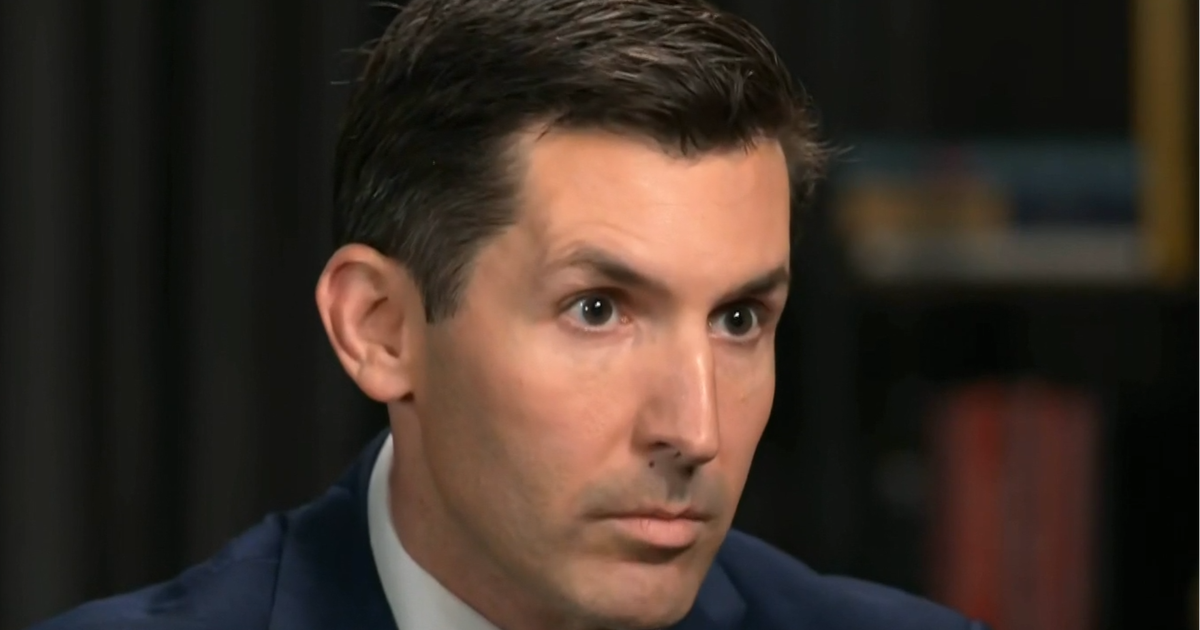
Calley Means, a former senior White House adviser and top aide to Health and Human Services (HHS) Secretary Robert F. Kennedy Jr., has accused former White House Chief of Staff Susie Wiles and other officials of stalling "Make America Healthy Again" (MAHA) policies. In an interview with CBS News' "Face the Nation" that aired on Sunday, Nov. 8, 2026, Means alleged that several administration officials prioritized the interests of the tobacco, pharmaceutical, and ultra-processed food industries over public health initiatives.
The allegations follow Means' resignation from the administration last month. Means, who co-founded the MAHA movement, served as a primary aide to Kennedy and worked on efforts to revise dietary guidelines and restrict soda and candy from the Supplemental Nutrition Assistance Program (SNAP), a federal program that provides food-purchasing assistance to low-income individuals. Means stated his departure was driven by frustration over blocked transparency measures regarding ultra-processed foods.
Means specifically alleged that Wiles and deputy James Blair pressured the Food and Drug Administration (FDA) to approve fruit-flavored vapes. James Blair denied the characterization, stating he was tasked with ensuring the FDA followed federal timelines for nicotine device applications. Former FDA Commissioner Dr. Marty Makary, who resigned in May, stated he faced "repeated pressure" from administration officials to approve flavored vapes, which he refused to do. Wiles, who resigned as Chief of Staff on Thursday, Nov. 5, 2026, also denied allegations that she arranged meetings between tobacco lobbyists and the president.
The conflict also centers on the leadership of the FDA, the agency responsible for protecting public health by ensuring the safety and efficacy of drugs and the food supply. Means specifically criticized the nomination of Dr. Heidi Overton to lead the FDA, alleging she facilitated the approval of Moderna’s mRNA flu vaccine, mFLUSIVA, despite internal scientific objections. These internal disagreements directly influenced the cancellation of 22 mRNA vaccine development projects by Secretary Kennedy in 2025. For the average American, these shifts in agency leadership and policy priorities could determine which vaccines are available at local pharmacies and what health warnings are required on common household products like the weedkiller Roundup.
The immediate outcome of this friction includes the resignation of Wiles and the promotion of Stephen Miller to White House Chief of Staff, effective Monday, Nov. 9, 2026. Means expressed confidence that Miller would support Kennedy’s structural health reforms. Moving forward, the FDA’s approach to vaping and the ongoing Environmental Protection Agency (EPA) review of glyphosate, scheduled to conclude in early 2027, will serve as markers for whether the MAHA platform or industry-aligned policies prevail. The Senate's consideration of Dr. Overton’s nomination for FDA Commissioner remains a pending step in the administration's health leadership transition.
What happens next: Stephen Miller is scheduled to take over as White House Chief of Staff on Monday, Nov. 9, 2026. The EPA's review of the herbicide glyphosate is expected to conclude in early 2027. No specific date has been reported for a Senate vote on Dr. Heidi Overton’s nomination as FDA Commissioner.