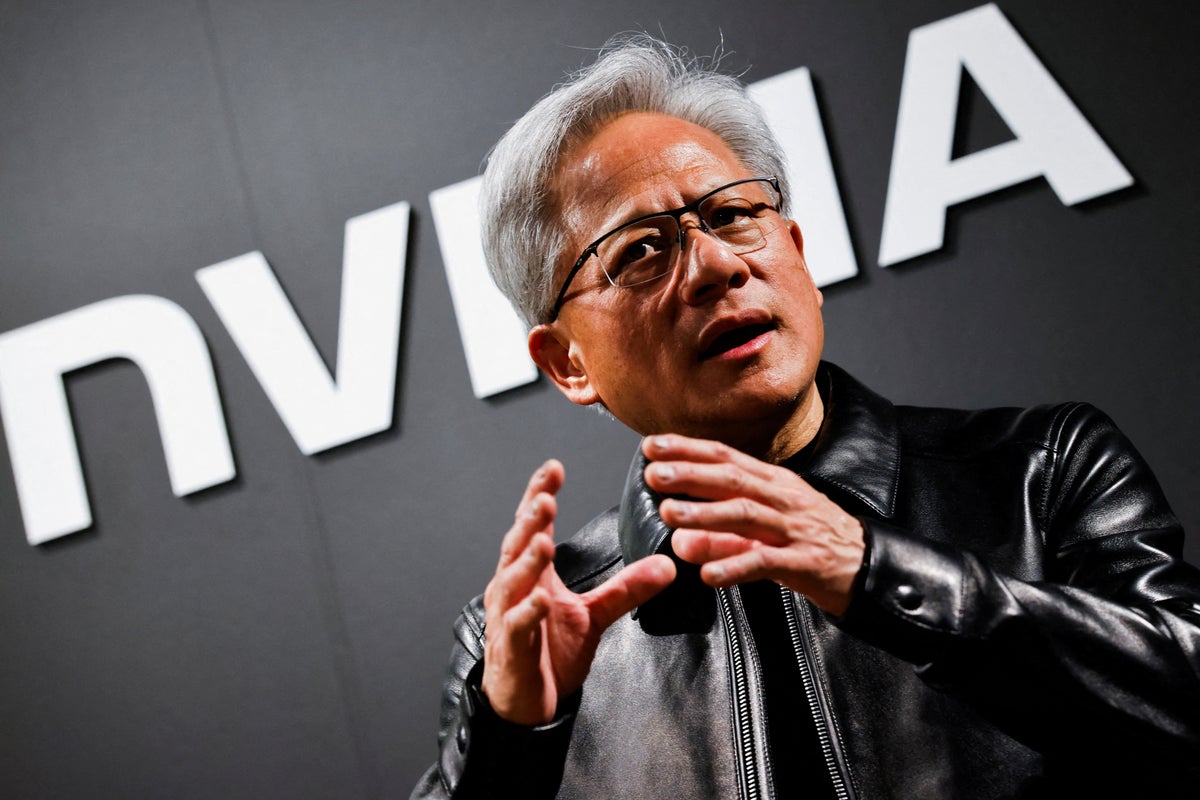
Former Nvidia CEO Jensen Huang is holding discussions with associates regarding a potential return to the leadership of the artificial intelligence chipmaking company. According to a report by the Financial Times, allies of Huang are organizing a group of technology executives to support his reinstatement and intend to seek backing from the White House. This development follows Huang’s resignation on Thursday, November 12, 2026.
Huang stepped down from the $4 trillion company after admitting to a romantic relationship with Alice Huang, a Chinese executive whom U.S. intelligence agencies identified as a suspected spy sharing information with Beijing. Following the admission on Sunday, November 8, 2026, Nvidia announced an investigation into reports that Huang had been targeted by foreign intelligence efforts. Colette Kress, Nvidia’s executive vice president and chief financial officer, was named interim CEO.
Public support for Huang’s return has included an online petition with more than 100,000 signatures, which reportedly includes 60,000 shareholders and 6,000 current employees. Technology executives including Elon Musk of Tesla, Amjad Masad of Replit, and Tim Sweeney of Epic Games have publicly supported the effort. However, additional reports from The New York Times and Reuters alleged that Huang had intimate relationships with two other subordinates, including Kimberly Powell, Nvidia’s vice president of health care. One individual involved in the effort to reinstate Huang told the Financial Times that having an affair with a subordinate is a "fireable offense."
The scale of the situation is reflected in the 100,000 signatures gathered for Huang's reinstatement and the $4 trillion valuation of the firm. For an individual shareholder or employee, the impact is a shift in the daily management of the company under interim CEO Colette Kress. A person invested in the company would notice changes in leadership direction and potential fluctuations in market value as the board decides whether to maintain the current interim leadership or consider Huang's return.
The knock-on effects extend to national security policy and corporate governance standards. The revelation that President Trump was reportedly briefed on the intelligence findings a year ago, as reported by The New York Times, raises questions about federal response protocols to corporate intelligence targets. Furthermore, the allegations of relationships with subordinates set a precedent for how the board will enforce company conduct policies. What happens next depends on the internal Nvidia investigation and the board’s response to the organized push by Huang’s allies; no specific date for a final leadership decision has been reported.