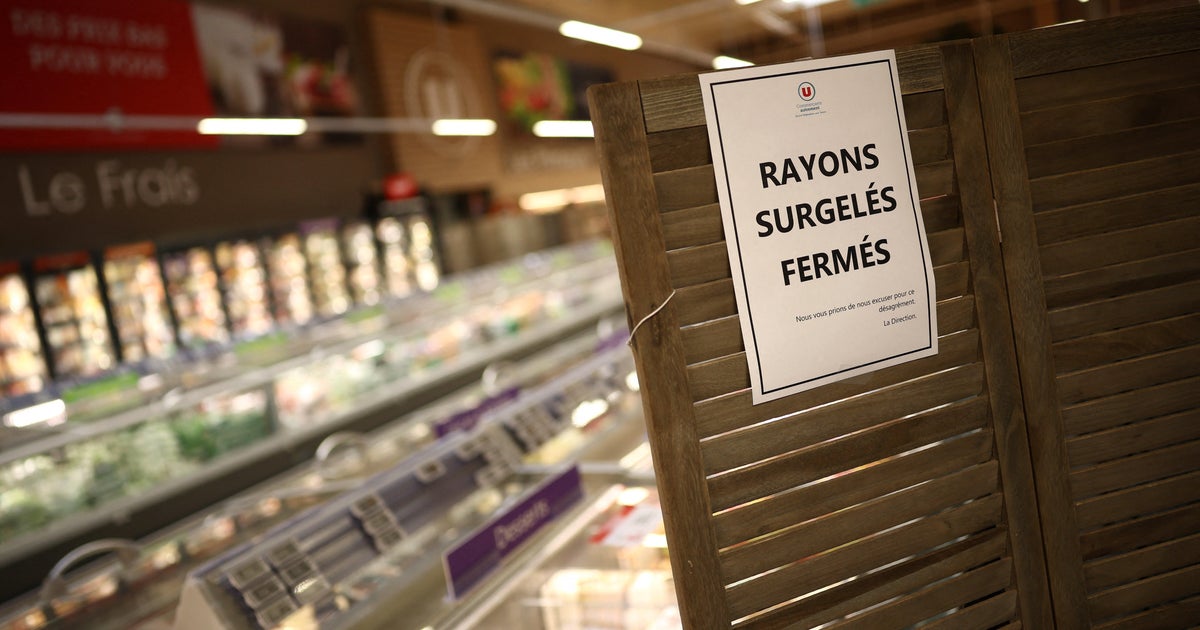
The Paris prosecutor's office announced on Monday that it has identified a cyber unit of Iran's Islamic Revolutionary Guard Corps as the party responsible for nationwide attacks on commercial refrigeration units. The cyberattacks, which occurred in October, targeted approximately 700 retail locations across France. Officials stated that the breach caused significant food spoilage and resulted in roughly 20 fires when refrigeration temperatures rose.
The investigation, led by the prosecutor's cybercrime division, has initiated a judicial inquiry into charges including fraudulent interference with automated data systems and causing damage through dangerous means. The office specifically named a group called "Shahid Kaveh" as the perpetrator, describing it as an offensive cyber unit within the Islamic Revolutionary Guard Corps. The investigation is targeting the unit's leader and two deputies.
According to investigators, the hackers gained remote control of equipment through web interfaces. They allegedly initiated indefinite defrost cycles while simultaneously disabling the safety alerts that normally trigger when temperatures exceed safe thresholds. The prosecutor's office stated that the methodology used in the attack, including the use of the Farsi language and IP addresses traced to Iran, linked the activity to the identified Iranian unit.
The French attacks were followed by similar incidents affecting refrigeration systems at supermarkets in Belgium, Luxembourg, and Sweden. Additionally, a separate cyberattack targeted French blood banks, though no products or samples were damaged in that instance. In the United States, the Department of the Army Criminal Investigation Division is investigating refrigeration outages that occurred at six military bases in August, though officials have not stated if these events are connected to the European hacks.
For an ordinary person, the day-to-day change resulting from these attacks would be noticed through the unavailability of fresh or frozen food at affected grocery stores and the potential safety risks posed by fires. The FBI's cybercrime branch advised organizations to remove their controllers from the public internet and place them behind firewalls to prevent unauthorized access to system settings.
The knock-on effects involve increased scrutiny of industrial control systems, which manage everything from food storage to medical samples. While Iranian authorities had not responded to the specific allegations as of the Monday report, the Iranian government has previously threatened to use asymmetrical means in response to U.S. actions. The next steps in the legal process include the ongoing judicial investigation in Paris and the U.S. Army's probe into the military base outages.