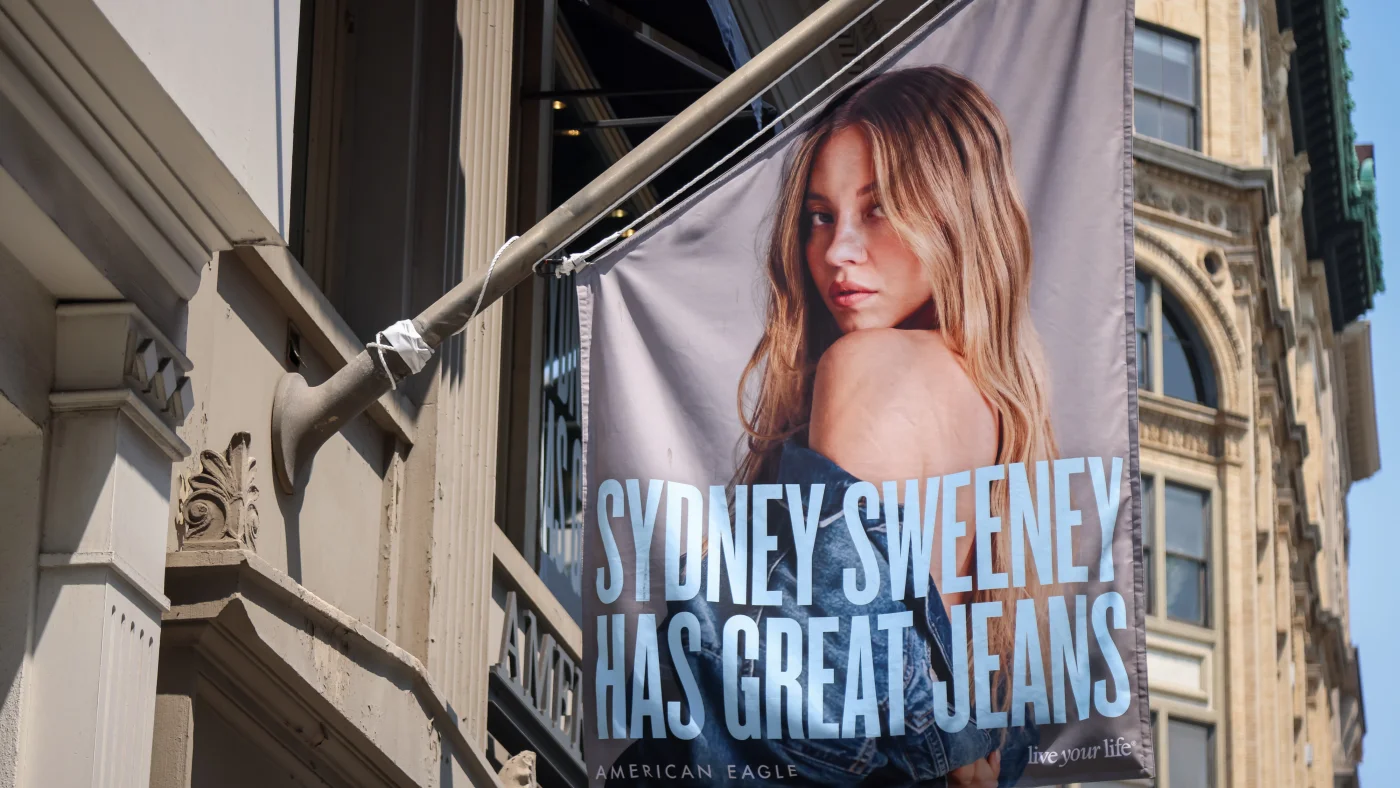
Garment workers in Pakistan and Bangladesh who manufacture clothing for American Eagle Outfitters and other Western brands report laboring in extreme heat with high production targets. In interviews conducted over several months, workers detailed conditions in factories that produce denim items, including those featured in an American Eagle advertisement campaign starring actress Sydney Sweeney. While the companies involved state they maintain robust safety and complaint systems, workers claim they face health risks and potential termination if they fail to meet quotas.
The reports emerge from two of the world’s largest garment production hubs outside of China. Many factories in Karachi, Pakistan, and Dhaka, Bangladesh, manufacture goods for multiple labels simultaneously, including Levi’s, Gap, H&M, and Massimo Dutti. The garment industry in these regions has faced increased international scrutiny regarding safety protocols since the 2013 collapse of the Rana Plaza building in Bangladesh, which resulted in more than 1,100 deaths.
Workers at Artistic Garment Industries (AGI) in Pakistan and MBM in Bangladesh told reporters that indoor temperatures often exceed 100 degrees Fahrenheit, exacerbated by machinery and poor ventilation. One worker, identified as S., stated she is required to check the quality of 1,000 to 1,600 garments daily for a monthly wage of approximately $144. Another worker in Dhaka, R., reported a target of 150 pieces per hour. Both women stated that the pressure to reach these goals often prevents them from taking bathroom breaks or drinking adequate water. AGI contested these claims, stating they provide water stations and monitor floor temperatures.
The impact extends to the supply chain of major U.S. and European retailers. While brands like H&M and Inditex (parent of Zara) stated they have implemented "corrective action plans" with suppliers to address these issues, labor rights groups such as Labor Behind the Labels suggest a "mismatch" exists between official audits and worker experiences. Workers alleged that supervisors instruct them to provide positive reports to auditors to avoid losing brand contracts, which sets a precedent where documented compliance may not reflect actual floor conditions.
Next steps for the industry involve the implementation of a new heat stress protocol agreed upon in December by the International Accord. This measure is intended to make cooling workers an enforceable commitment for brands operating in Bangladesh and Pakistan. Staff from the Accord are scheduled to begin regular factory inspections to ensure these cooling standards are met. However, managers at some factories stated that long-term purchasing commitments from brands are necessary to fund the high cost of installing air conditioning systems.