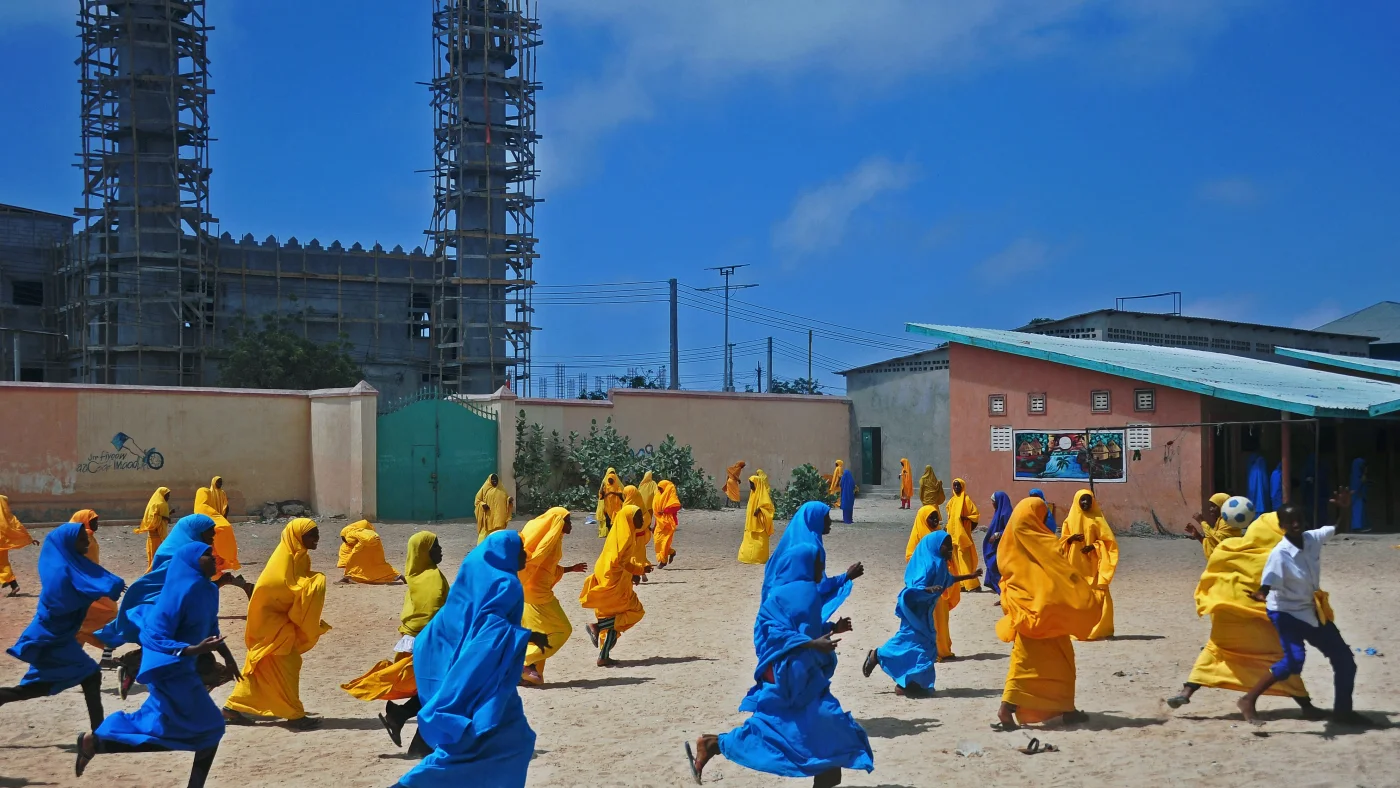
A study published in The Lancet Global Health found that a majority of adolescents worldwide do not meet international recommendations for daily physical activity. The research, which analyzed survey data from 140 countries over a 15-year period, indicated that only 14% of teenagers reported exercising for at least one hour every day.
The World Health Organization (WHO) recommends that adolescents engage in at least 60 minutes of moderate-to-vigorous physical activity daily, such as brisk walking or soccer. Fiona Bull, head of the WHO physical activity unit and study co-author, stated that global trends in adolescent activity have remained flat for 15 years, suggesting that current strategies have not been effective.
The report identified a gender gap across nearly all countries. While 17% of boys reported being active daily, 11% of girls did the same. Additionally, nearly 30% of girls reported getting no moderate-to-vigorous exercise during the week, compared to 22% of boys. Researchers noted that social norms, such as time spent on indoor household chores versus outdoor sports, contribute to these differing activity levels.
Economic and environmental factors also influenced the findings. Adolescents in low- and middle-income countries generally reported lower activity levels than those in wealthier Western nations. Andrea Ramirez Varela, an epidemiologist at the University of Texas Health Science Center, attributed this to limited opportunities for safe outdoor play, lack of walkable urban design, air pollution, and increased screen time.
The study reflects data from more than 3 million adolescents across 140 countries. According to the reported figures, approximately 86% of teenagers do not meet the recommended 60 minutes of daily exercise, and one in four teenagers reports zero days of moderate-to-vigorous activity per week. The average teenager reports less than three days of such activity weekly, with girls averaging 2.4 days compared to 3.0 days for boys.
Solveig Cunningham, a researcher at Emory University, noted that adolescent activity levels often establish a baseline for adulthood. In regions like Latin America and South Asia, specific barriers such as perceived safety risks for walking alone or cultural taboos regarding girls participating in outdoor sports influence activity levels.
Experts suggest that schools are a practical place to start addressing activity levels, as these are the environments where adolescents spend the most time. Researchers emphasized that without changes to city design and school programs, the physical and mental health costs associated with sedentary lifestyles will continue to affect adult populations.