Miguel Angel Felix Gallardo, a co-founder of the Guadalajara cartel who was convicted for the 1985 murder of a U.S. federal agent, died on November 15. The security ministry of Jalisco state reported that the 80-year-old died of multiple organ failure at a hospital where he had been transferred two days prior from prison.
Felix Gallardo, a former police officer and bodyguard to a Sinaloa governor, was a central figure in the Mexican drug trade during the 1980s. He was arrested in 1989 and was serving a 40-year prison sentence at the time of his death. His health had declined in recent years due to diabetes, high blood pressure, and deafness; while he was granted house arrest in 2022 by a judge, technical issues with electronic monitoring prevented the transfer.
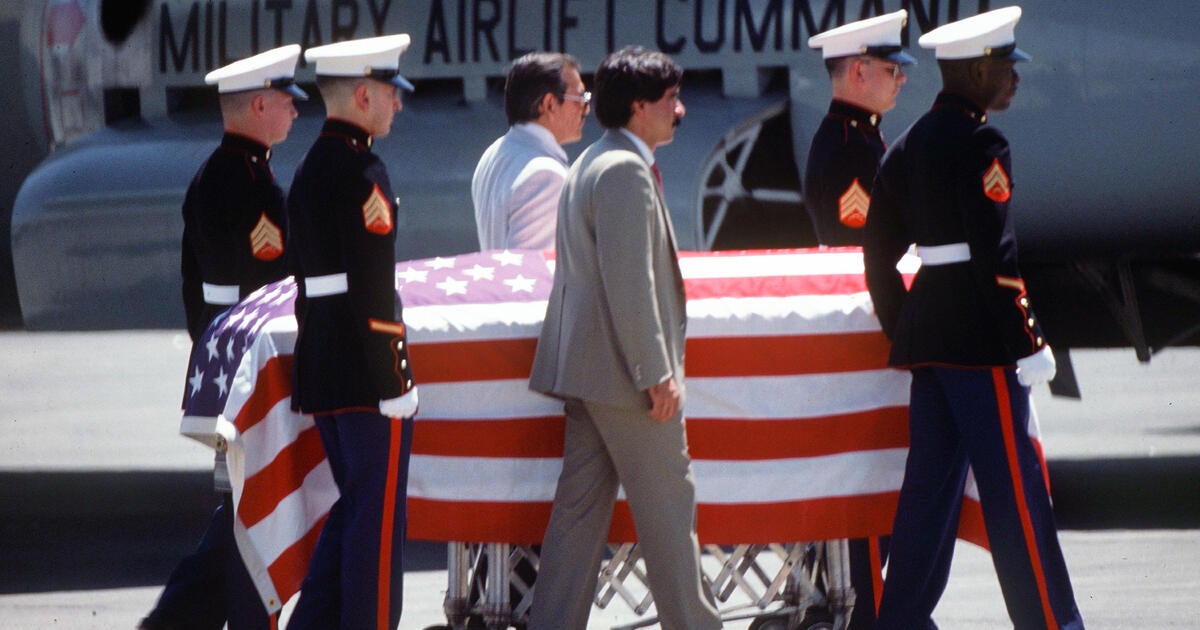
Known by the nicknames "the boss of bosses" and "the Godfather," Felix Gallardo was credited by the organization InSight Crime with establishing the roots of modern drug trafficking by uniting regional gangs. He formed alliances with Colombian traffickers, including Pablo Escobar, to transport cocaine into the United States. Following the 1985 kidnapping and torture of U.S. Drug Enforcement Administration (DEA) agent Enrique "Kiki" Camarena Salazar, intense pressure from the U.S. government led to the eventual arrest of Felix Gallardo.
The scale of the criminal organization Felix Gallardo helped build laid the foundation for the current security landscape in Mexico. The Guadalajara cartel's eventual splintering in the 1990s led to the rise of regional groups like the Sinaloa cartel, an organization that has seen its own leaders, Joaquin "El Chapo" Guzman and Ismael "El Mayo" Zambada, sentenced to life in prison in the United States. This transition from a single cartel to multiple regional groups has dictated the nature of drug enforcement and cartel violence for more than 30 years.
For citizens and policymakers, the case of Felix Gallardo illustrates the intersection of law enforcement and organized crime, as he utilized his background as a former police officer to secure protection. While he remained incarcerated since 1989, his influence persisted through cultural depictions in media and music. With his death, the legal focus remains on associates who have been extradited to the U.S. to face trial for their roles in the global drug trade.