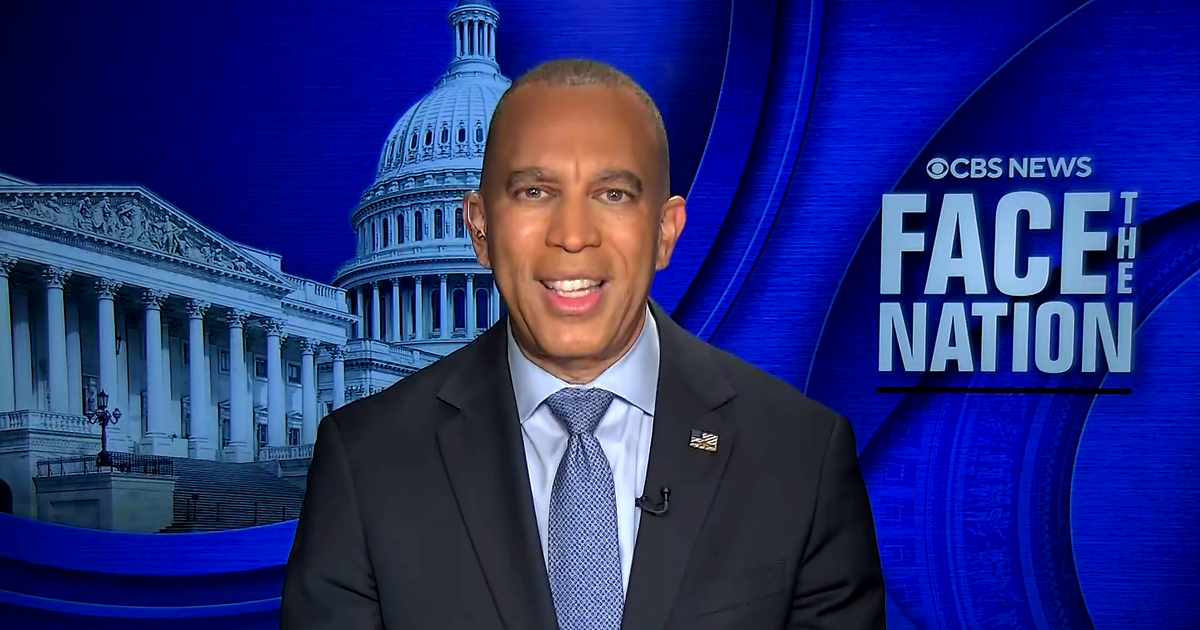
House Minority Leader Hakeem Jeffries (D-NY) stated on Sunday that Democrats are prepared to discuss potential healthcare compromises with President Trump. Jeffries, who is set to become Speaker of the House when Democrats take control of Congress in the new year, identified specific policy areas for negotiation including Medicare eligibility and pediatric care. These comments followed a Friday press briefing where Mr. Trump expressed an openness to working with Democrats on healthcare, stating that a bipartisan combination could result in better outcomes than working solely with Republicans.
The shift in rhetoric follows recent midterm elections in which Democrats secured majorities in both the House and Senate. During the previous year, the Republican-led Congress passed legislation referred to as the "One Big Beautiful Bill," which included cuts to Medicaid. Jeffries indicated that Democrats intend to seek a reversal of those cuts while addressing concerns regarding the cost of living and the immigration system in the upcoming legislative session.
Jeffries specifically proposed lowering the age of eligibility for Medicare and expanding its benefits to cover vision, hearing, and dental services. He also emphasized a goal of ensuring all children and young Americans have affordable access to doctors. Beyond healthcare, Jeffries announced that House Democrats intend to move "very early" in the next Congress to ban members of Congress from trading stocks. He also noted that the party has not "ruled anything in or out" regarding potential impeachment efforts, stating that investigations would follow the facts and the law.
The legislative agenda described by Jeffries signals a shift in the power dynamic in Washington as control of both chambers of Congress moves to the Democratic party. A ban on congressional stock trading would change the personal financial regulations for federal lawmakers. Additionally, the focus on reversing Medicaid cuts indicates a pending debate over the "One Big Beautiful Bill," which impacted state-administered health benefits.
What happens next depends on the ability of the new Democratic majorities to reach an agreement with the Trump administration. While Mr. Trump has expressed interest in a healthcare compromise, he also released a statement on Sunday casting doubt on his ability to work with Sen. Chuck Schumer (D-NY), the incoming Senate Majority Leader. The new Congress is scheduled to take control next year, at which point the proposed ban on lawmaker stock trading and healthcare negotiations are expected to begin. Specific dates for votes or the introduction of formal bill text were not reported.