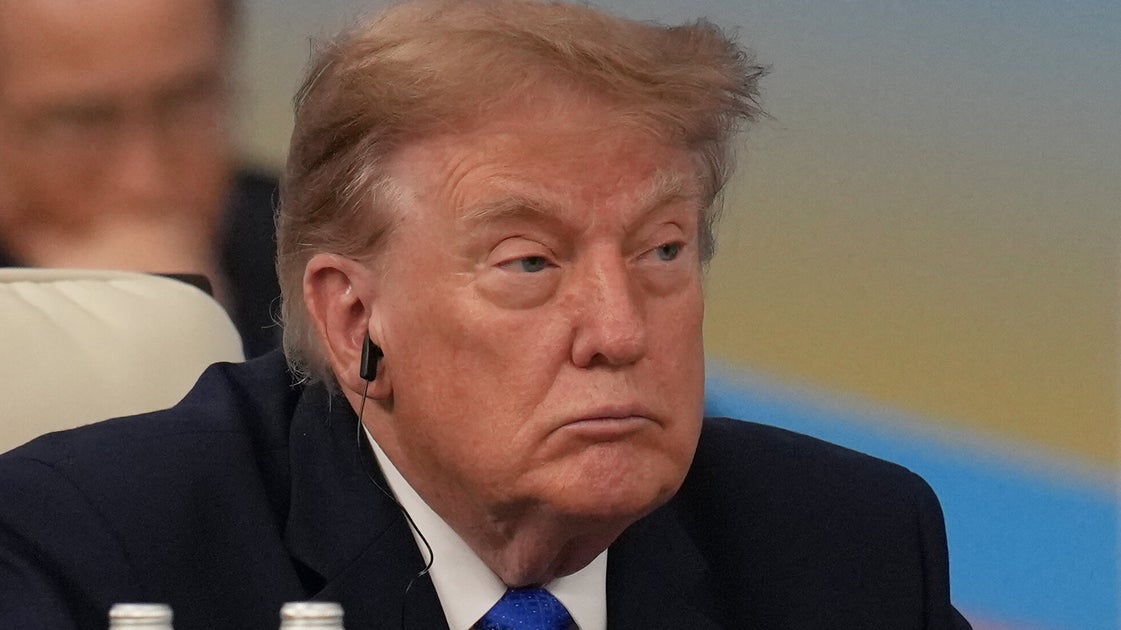
Harold Ford Jr., a co-host on Fox News and former Democratic representative, stated on Thursday, November 19, 2026, that Donald Trump’s diplomatic approach toward Russia and China made him "the most pro-communist American president" in his lifetime. Speaking during a segment on the program "The Five," Ford criticized the former president's rhetoric and rapport with Russian President Vladimir Putin and Chinese President Xi Jinping.
The comments followed a trilateral meeting between Trump, Putin, and Xi held in China. Ford referenced his upbringing during an era when the Republican Party maintained an anti-communist platform and criticized Democrats for perceived friendliness toward communist nations. He contrasted that history with Trump’s current interactions with the leaders of Russia and China.
During the broadcast, Ford expressed disapproval of Trump addressing Putin as a friend, citing Russia’s invasion of Ukraine. He noted that the conflict has resulted in the expenditure of American funds and weapons, the depletion of U.S. stockpiles, and the loss of Ukrainian lives. Ford further argued that Putin and Xi were "tapping" Trump along, noting that a previous summit held between the leaders in Alaska the prior year had yielded no results for the United States.
For the average citizen, these diplomatic shifts and the resulting military commitments can influence federal spending priorities and the availability of defense resources. A person might notice these effects through congressional debates over aid packages or shifts in national security strategy. The comments by a media figure on a network like Fox News indicate how internal party debates over communism and international alliances are being reframed for a national audience.
The effects include potential pressure on Republican lawmakers to reconcile traditional anti-communist stances with the former president's diplomatic style. This sets a precedent for how media commentators characterize executive interactions with foreign adversaries. What happens next depends on the official outcomes of the trilateral talks in China; however, the source did not report any specific upcoming votes, legislative deadlines, or subsequent meeting dates.