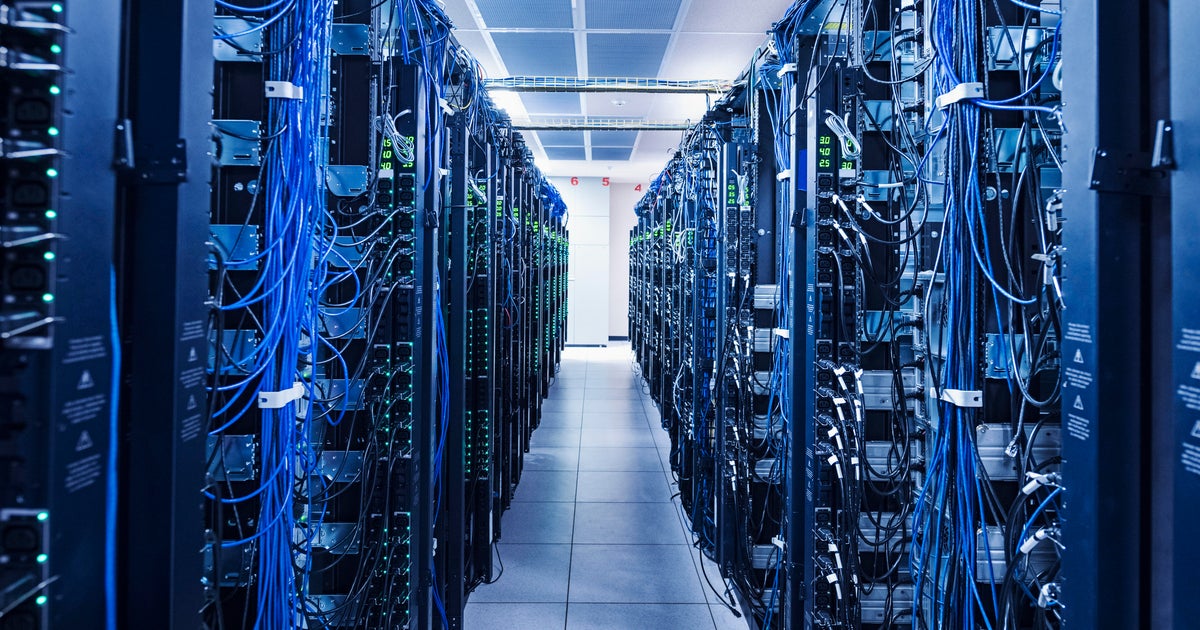
A study from Harvard University found that large-scale facilities known as hyperscale data centers consumed approximately 1.8% of all electricity in the United States between May 2024 and April 2025. This consumption level, totaling 82 terawatt-hours, is comparable to the annual electricity usage of the state of Missouri or the nation of Denmark.
The research, published in the journal Nature Sustainability, tracked the energy use and carbon emissions of 403 facilities over a 12-month period. Lead author Gianluca Guidi told CBS News that the study required two years of analysis but noted that the figures likely understate current consumption due to the rapid expansion of artificial intelligence infrastructure.
According to Guidi, these windowless facilities house tens of thousands of computers that operate continuously to process digital activities such as emails, streaming, and generative AI queries. Because these machines generate significant heat, they require constant cooling systems, which contributes to their status as heavy electricity users. The study recorded approximately 26 million metric tons of carbon dioxide emissions from these centers during the period examined.
The scale of the industry has expanded significantly since the study's data collection ended in April 2025. Guidi stated that the number of operating facilities has more than doubled since that time, with an additional 2,000 centers currently planned or under development. This suggests a substantial increase in future electricity demand that could strain regional power grids and complicate state and federal efforts to manage carbon emissions.
What happens next depends on the industry's response to international and domestic pressure. At the United Nations COP31 climate talks in Turkey, officials launched a voluntary pledge for companies to use cleaner energy to power AI. However, the report noted that U.S. tech companies driving the AI buildout have not yet signed the pledge. While the study provides a baseline for the year ending in early 2025, the ongoing construction of thousands of new centers means the total impact on U.S. electricity markets will continue to grow as these facilities come online.