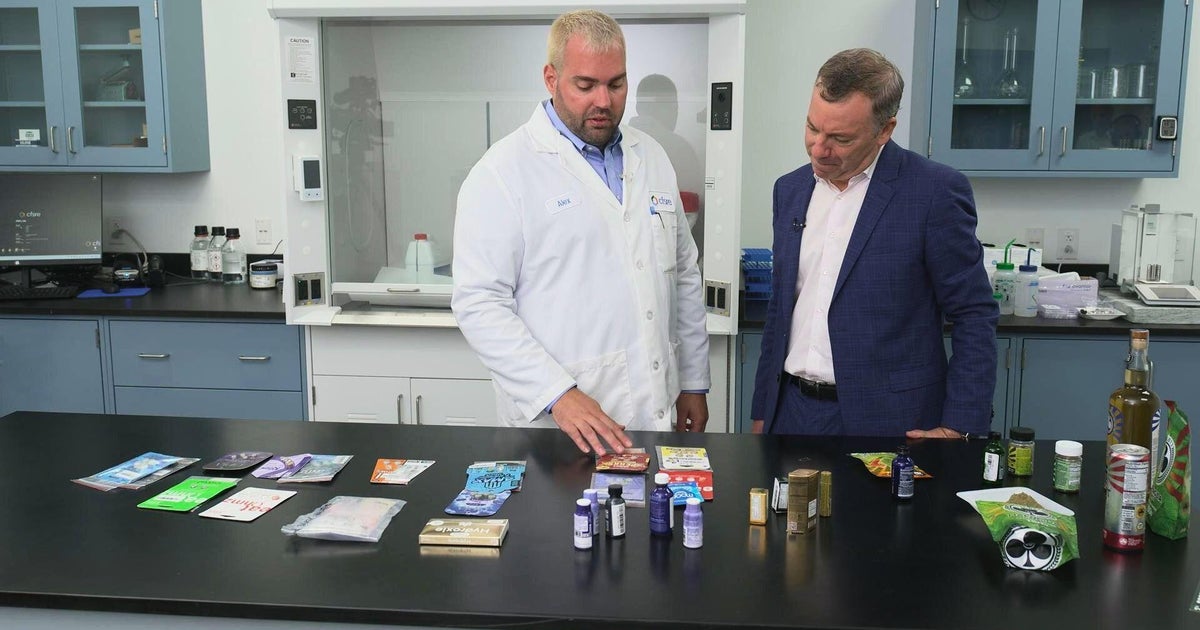
Kratom, a substance derived from a Southeast Asian tree and sold as an herbal supplement, remains legal in most states despite reports of addiction and more than 5,000 overdose deaths identified by the Centers for Disease Control and Prevention (CDC) since 2020. While the industry describes kratom as a mild stimulant or an aid for opioid recovery, medical experts and toxicologists have categorized it as an opioid that can be as potent as morphine in certain concentrated forms.
The Food and Drug Administration (FDA) issued an import alert for kratom in 2014, but millions of pounds continue to enter the U.S. annually, often labeled as incense or cosmetics. Once inside the country, the substance is widely available at gas stations, convenience stores, and online. Recently, manufacturers have introduced products containing synthetic 7-hydroxymitragynine (7-OH), a more potent compound found in kratom that activates opioid receptors more intensely than the primary leaf-based compound.
Public records indicate the kratom industry, led by the American Kratom Association (AKA), has spent millions of dollars lobbying the FDA, the Department of Health and Human Services (HHS), and Congress to maintain the product's legal status. In July 2026, the federal government announced plans to restrict 7-OH as a "dangerous opioid." However, in October 2026, HHS revised its recommendation to allow 20 times the previously proposed amount of 7-OH in products, a move that former officials claim was influenced by industry pressure.
The scale of the issue is reflected in both the growth of the industry and the rise in fatalities. Toxicologist Justin Brower reported that kratom-involved deaths increased roughly tenfold between 2014 and 2026. Consumers paying approximately $10 per bottle for liquid kratom tonics or purchasing synthetic 7-OH tablets may not realize they are consuming substances that Dr. Andrew Kolodny of Brandeis University states produce effects similar to oxycodone or heroin. The recent HHS decision to loosen proposed standards means users will continue to find high-potency products at local retailers rather than seeing them removed from shelves or moved behind pharmacy counters.
The debate over kratom sets a precedent for how the federal government regulates botanical substances with opioid properties. Critics, including former HHS advisor Calley Means and former FDA official Dr. Marty Makary, suggest that business interests and political contributions—including $1.2 million donated to Secretary Robert F. Kennedy Jr.'s campaigns by a kratom product manufacturer—have superseded public health data. While the AKA maintains that "natural kratom" is safe, the ongoing availability of synthetic variants ensures that toxicologists and forensic labs will continue to monitor a rising trend of "gas station heroin" cases. What happens next depends on whether federal agencies revisit these potency standards or if states move to enact their own bans following the recent HHS policy reversal.
HHS stated that its recommendations were not influenced by outside pressure or political contributions, asserting that its responsibility is to protect the public. The AKA maintains a distinction between natural leaf products and chemically manipulated ones, while some medical experts continue to warn that the risks of using kratom for opioid use disorder outweigh any potential benefits.