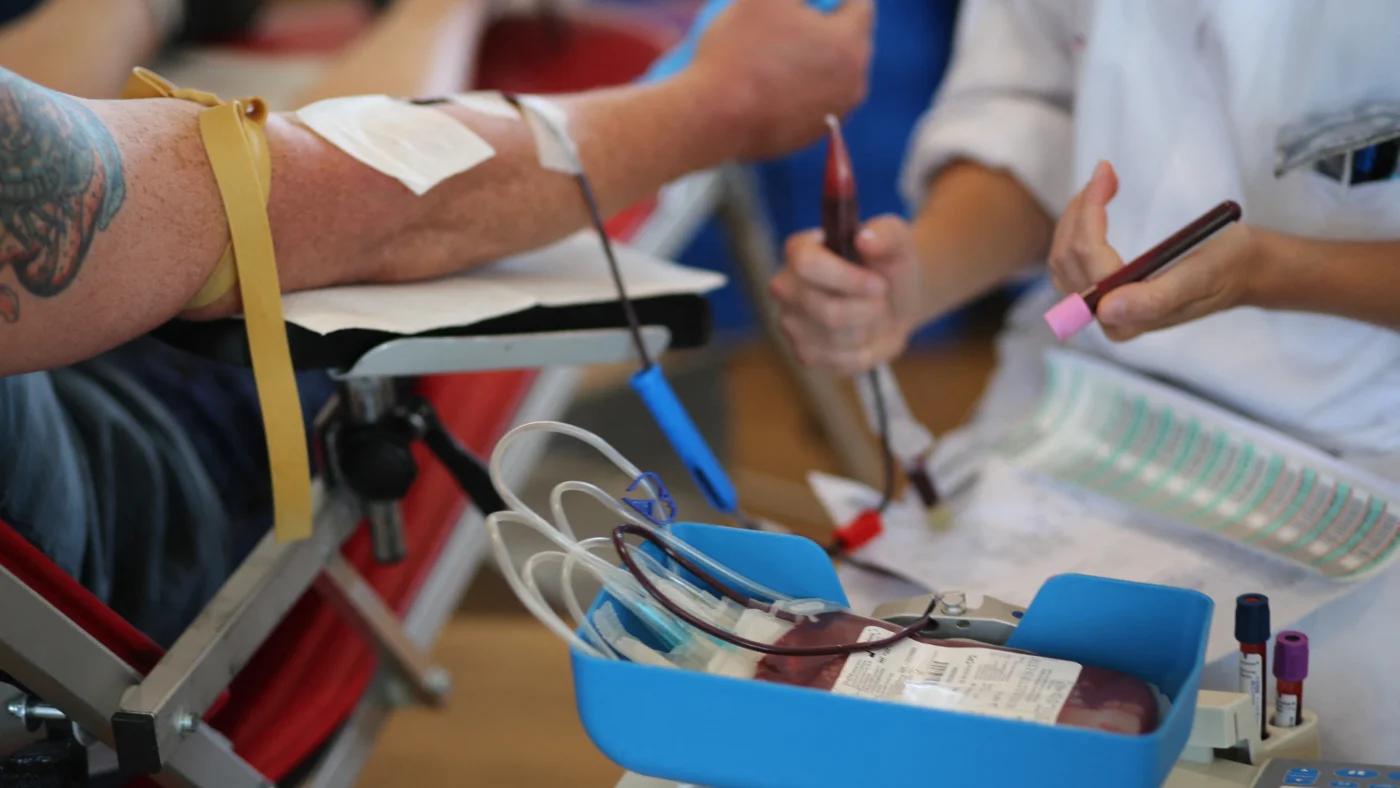
The Health Information Sharing and Analysis Center (Health ISAC) issued a security bulletin warning the healthcare industry about cyberattacks targeting refrigeration controllers. The alert follows a recent incident at the French Blood Establishment, a major blood bank, where hackers manipulated cold storage settings. According to Health ISAC, these attacks on operational technology—the machines controlling physical processes—pose a direct risk to physical resources such as donor blood, plasma, and critical therapies.
The warning comes amid a series of cyberattacks on refrigeration systems at grocery stores, food processing plants, and U.S. military bases across Europe and Israel. The French Blood Establishment confirmed on Tuesday that a vendor’s cold storage room was targeted, causing temperature thresholds to be raised to levels that could have compromised samples. The blood bank reported that staff detected the activity in time to prevent the loss of the blood samples.
Federal agencies in the United States, including the FBI, the Cybersecurity and Infrastructure Security Agency (CISA), and the Department of Health and Human Services, released a joint fact sheet on Thursday regarding these threats. The FBI stated it is tracking actors targeting cold-chain monitoring systems globally. While two pro-Russian hacking groups, NoName057(16) and Z-Pentest Alliance, claimed responsibility for some European attacks on Telegram, cybersecurity experts noted that Russian-aligned actors often claim credit for incidents without providing clear evidentiary links.
The impact on day-to-day operations includes a conflict between security and maintenance. Many facilities operate under contracts that mandate remote access for vendors, which experts say can leave systems vulnerable to credential abuse. Furthermore, patching security holes in these machines is difficult because it often requires shutting down equipment, creating a risk for patient safety during the downtime. Some older refrigeration models cannot be updated at all, leaving facilities with the choice of operating unsecured equipment or purchasing new hardware.
Health ISAC and federal agencies recommend that healthcare facilities isolate refrigeration systems from standard guest and enterprise networks. Next steps for the industry include implementing hard-wired mechanical cutoffs and independent thermal alarms that cannot be bypassed by software. The FBI and CISA continue to monitor for unauthorized access to industrial refrigeration systems. In Estonia, authorities reported that quick responses to a November 2 attack on a grocery store, where hackers tried to raise temperatures to 50°C (122°F), prevented significant damage, serving as a model for future defense strategies.