The Plain Record

Neutral daily news — clear headlines, complete facts.

National

House Foreign Affairs Democrat Questions Outcomes of Trump-Xi-Putin Summit

Rep. Gregory Meeks (D-NY) questioned the lack of concrete agreements on nuclear arms, AI safety, and intellectual property following a summit between the U.S., China, and Russia.

Published November 19, 2026 at 3:30 PM EST

The short answer

Rep. Gregory Meeks (D-NY) questioned the lack of concrete agreements on nuclear arms, AI safety, and intellectual property following a summit between the U.S., China, and Russia.

House Foreign Affairs Democrat Questions Outcomes of Trump-Xi-Putin Summit

The Facts

Who
Rep. Gregory Meeks (D-NY), President Trump, President Xi Jinping, and President Vladimir Putin.
What
Rep. Gregory Meeks (D-NY) criticized the lack of progress and strategy following a summit between the U.S., China, and Russia.
When
Thursday, November 19, 2026
Where
Washington, D.C. and Shenzhen, China
Why
The summit ended without progress on Ukraine, nuclear arms control, or artificial intelligence safety despite ongoing concerns over Chinese espionage.

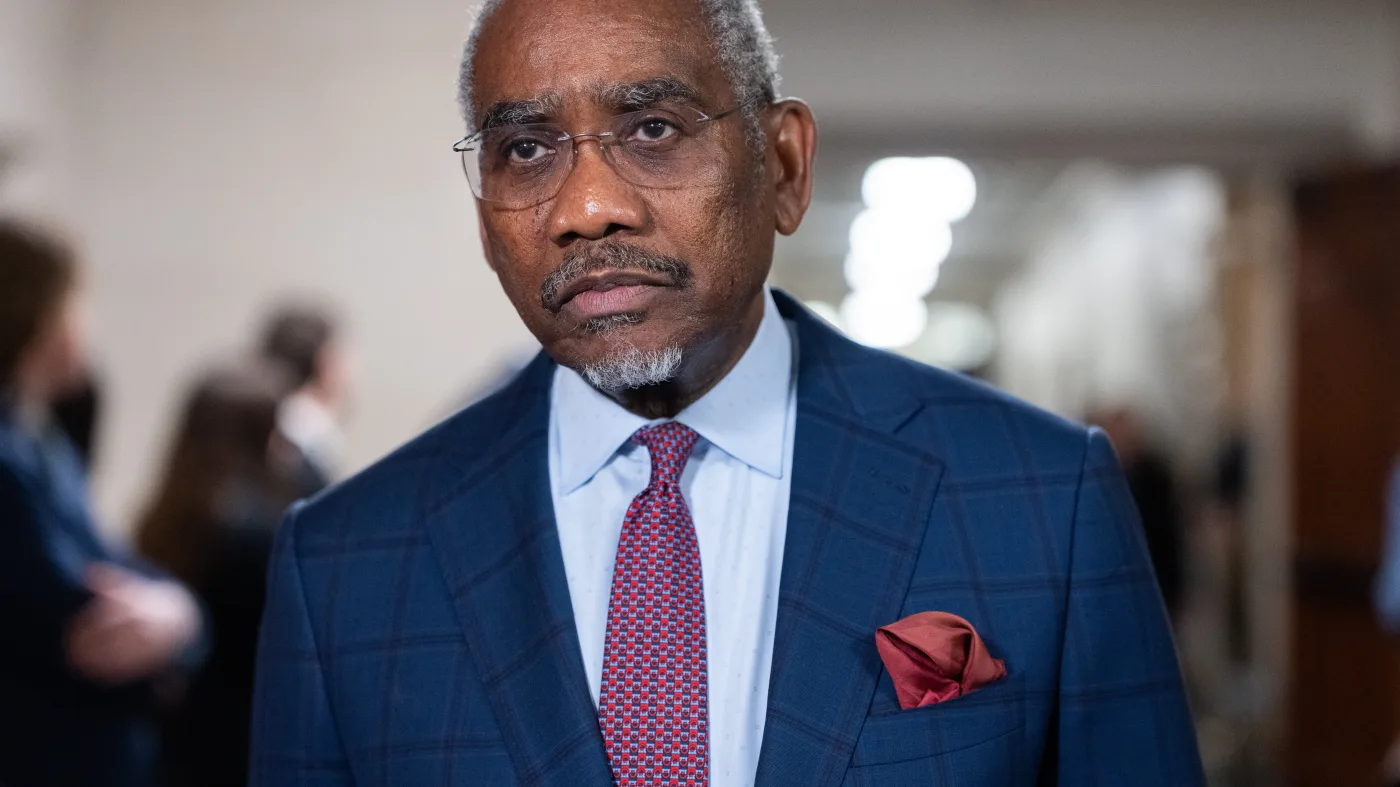
Rep. Gregory Meeks (D-NY) questioned on Thursday, November 19, 2026, the outcomes of a recent summit between President Trump, Chinese President Xi Jinping, and Russian President Vladimir Putin. Meeks, the ranking member of the House Foreign Affairs Committee, stated that the meeting in Shenzhen, China, appeared to lack a clear strategy or defined goals.

The summit concluded with few signs of progress regarding nuclear arms control or the war in Ukraine. The meeting occurred amid a period of tension for global alliances, with Meeks expressing concern that the discussions could lead to the division of the world into spheres of influence that might sideline U.S. allies.

During an interview with NPR, Meeks noted the absence of agreements on artificial intelligence safety and nuclear weapons. He also addressed the Nvidia case involving Chinese espionage and intellectual property theft. Meeks stated that U.S. diplomats should have raised these issues prior to the summit to establish clear objectives for the high-level talks.

The lack of progress on nuclear arms control and artificial intelligence safety affects the broader American public by leaving international frameworks for these technologies undefined. Additionally, Meeks proposed reducing tariffs on U.S. allies while pressing China to end its support for Russia's war in Ukraine.

What happens next depends on the administration’s response to these criticisms and the continuation of diplomatic efforts. Meeks indicated that he would confront President Xi regarding espionage if given the opportunity, though no specific meeting or legislative vote is currently scheduled. The effectiveness of the Shenzhen summit will likely be evaluated by how U.S. allies respond to the reported lack of progress on regional security and trade goals in the coming months.

Timeline of what happened

Key dates and decisions, in the order they occurred.

  1. November 10, 2026

    Rep. Meeks speaks to reporters at Longworth House Office Building.

  2. November 19, 2026

    Rep. Meeks discusses summit outcomes in NPR interview.

Summaries are written by The Plain Record to state the facts of a story plainly and without political slant. Drafted with AI assistance and checked against the source record before publication. See how we report, or report a correction.

← Back to the front page

Questions readers ask

What happened: House Foreign Affairs Democrat Questions Outcomes of Trump-Xi-Putin Summit?

Rep. Gregory Meeks (D-NY) criticized the lack of progress and strategy following a summit between the U.S., China, and Russia.

Who is involved?

Rep. Gregory Meeks (D-NY), President Trump, President Xi Jinping, and President Vladimir Putin.

When did this happen?

Thursday, November 19, 2026

Where did this happen?

Washington, D.C. and Shenzhen, China

Why does this matter?

The summit ended without progress on Ukraine, nuclear arms control, or artificial intelligence safety despite ongoing concerns over Chinese espionage.