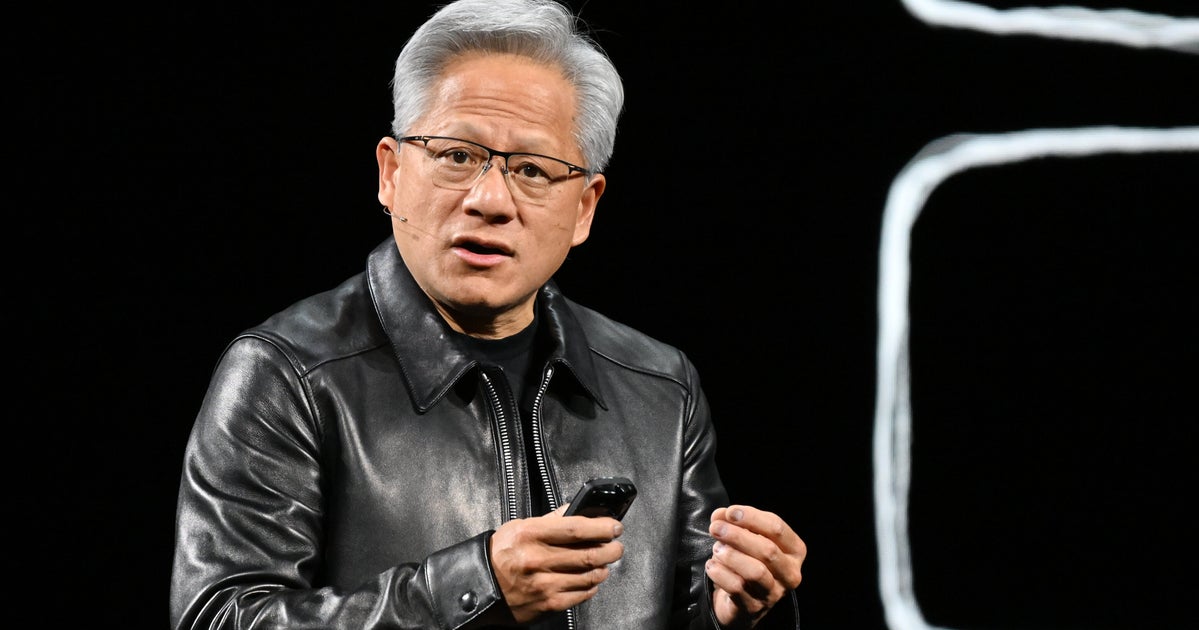
Three Republican House committee chairs requested a closed-door briefing from Nvidia CEO Jensen Huang following a report of a relationship with a businesswoman who allegedly passed information to Beijing. In a letter dated Nov. 4, 2026, the lawmakers asked Huang to address the report and the company's security protocols. Nvidia stated that while its CEO interacts with thousands of executives annually, the company maintains that customers in Asia receive ordinary business information and not sensitive trade secrets or anything tied to national security.
The request follows a report by The New York Times in October 2026 regarding a U.S. investigation into Alice Huang, a former executive at the Singapore-based company Megaspeed. Megaspeed is a customer of Nvidia that purchases artificial intelligence (AI) chips. U.S. authorities have scrutinized Megaspeed on suspicion that the company assisted Beijing in obtaining advanced AI chips that are prohibited from being exported to China under U.S. trade restrictions.
Rep. Brian Mast (R-FL), chair of a House Foreign Affairs subcommittee; Rep. John Moolenaar (R-MI), chair of the China Select Committee; and Rep. Rick Crawford (R-AR), chair of an Intelligence subcommittee, signed the letter. They requested the briefing take place on Nov. 18, 2026. The lawmakers wrote that the report raises "significant national security concerns regarding (China’s) access to sensitive U.S. technology and information" and that Congress must determine the extent of any risk.
For the ordinary reader, this development signals increased scrutiny of how U.S. tech companies manage their international client relationships and secure their intellectual property. If the congressional inquiry leads to new findings or policy changes, it could result in stricter reporting requirements for tech firms or expanded export blacklists. This would likely be noticed by employees in the semiconductor industry through updated internal security protocols and by investors through potential shifts in market valuations for companies with exposure to Asian markets.
The knock-on effects could influence future U.S. policy regarding trade with Singapore-based intermediaries. This sets a precedent for how Congress uses its oversight power to question private sector CEOs about their professional networks and international business ties. Nvidia stated it already receives regular updates from the U.S. government regarding entities of concern and acts accordingly. The next step is the requested briefing, currently scheduled for Nov. 18, 2026, though it is not yet known if Nvidia has formally agreed to the date.