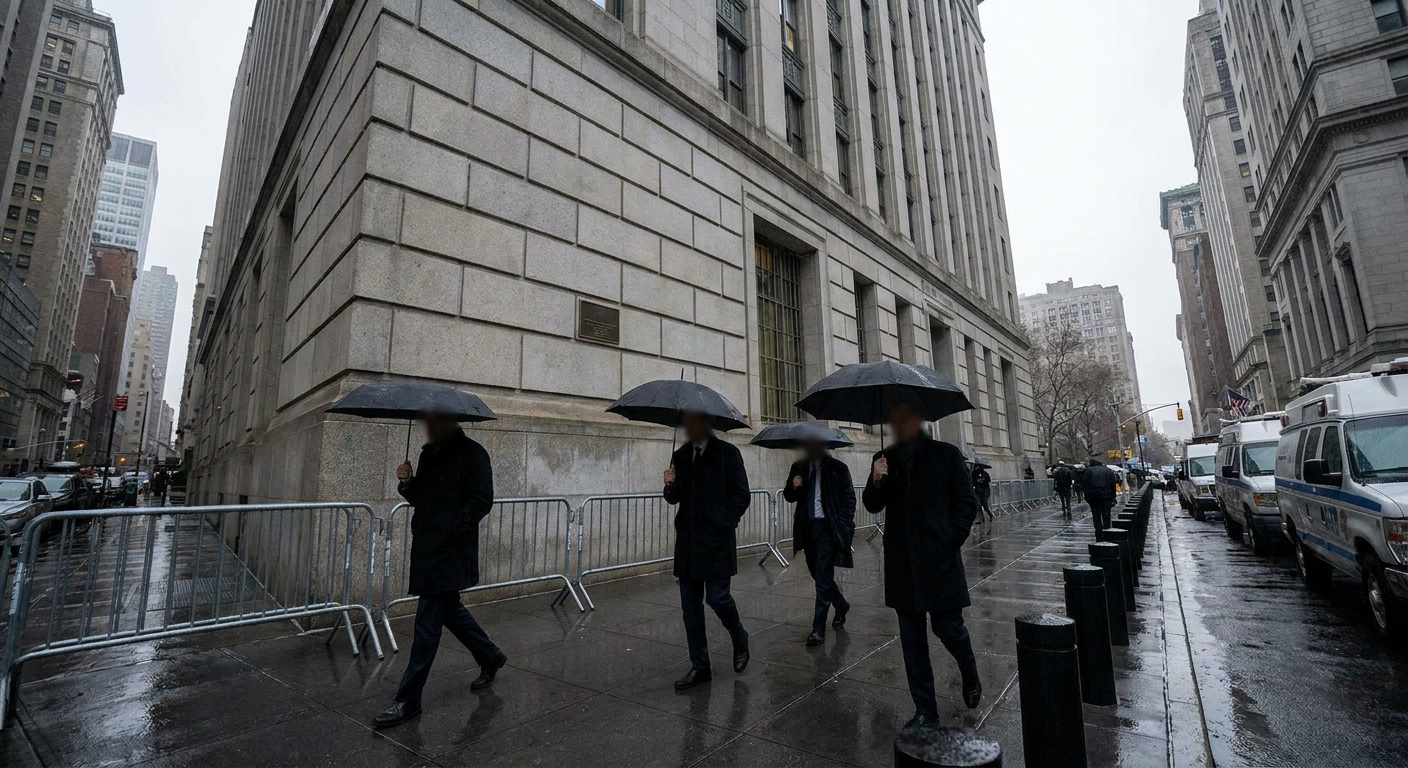
The Chinese telecommunications firm Huawei is currently on trial in the U.S. District Court for the Eastern District of New York. Federal prosecutors have accused the company of stealing American technology and violating U.S. sanctions by conducting business in Iran and North Korea.
The trial follows years of legal and diplomatic disputes, including the 2018 arrest of Huawei Chief Financial Officer Meng Wanzhou in Canada. Following Meng’s arrest, Chinese authorities detained two Canadian citizens, Michael Kovrig and Michael Spavor, for nearly three years. The U.S. later reached a plea deal that allowed Meng to return to China, which coincided with the release of the two Canadians. The Chinese government has maintained that these arrests were lawful and denied allegations of "hostage diplomacy."
In the current proceedings, prosecutors are attempting to prove that Huawei operated as a racketeering enterprise for 20 years, using fraud to deceive banks and move money through the global financial system. According to former Canadian diplomat Michael Kovrig, who is monitoring the case, the prosecution has presented testimony from 61 witnesses. Huawei has now begun presenting its defense, arguing that the allegations involve isolated incidents of misconduct by a few individuals rather than a company-wide conspiracy.
For international banks and businesses, the trial establishes a public record of evidence regarding Huawei’s alleged deception in the financial system. The outcome will likely influence the "risk assessment" for countries weighing the security of the company's equipment.
A verdict is expected following the conclusion of Huawei’s defense and jury deliberations. While the Chinese government has characterized the trial as "economic bullying," the legal outcome rests with a jury of 12 American citizens in Brooklyn. The specific date for a final ruling has not been reported.