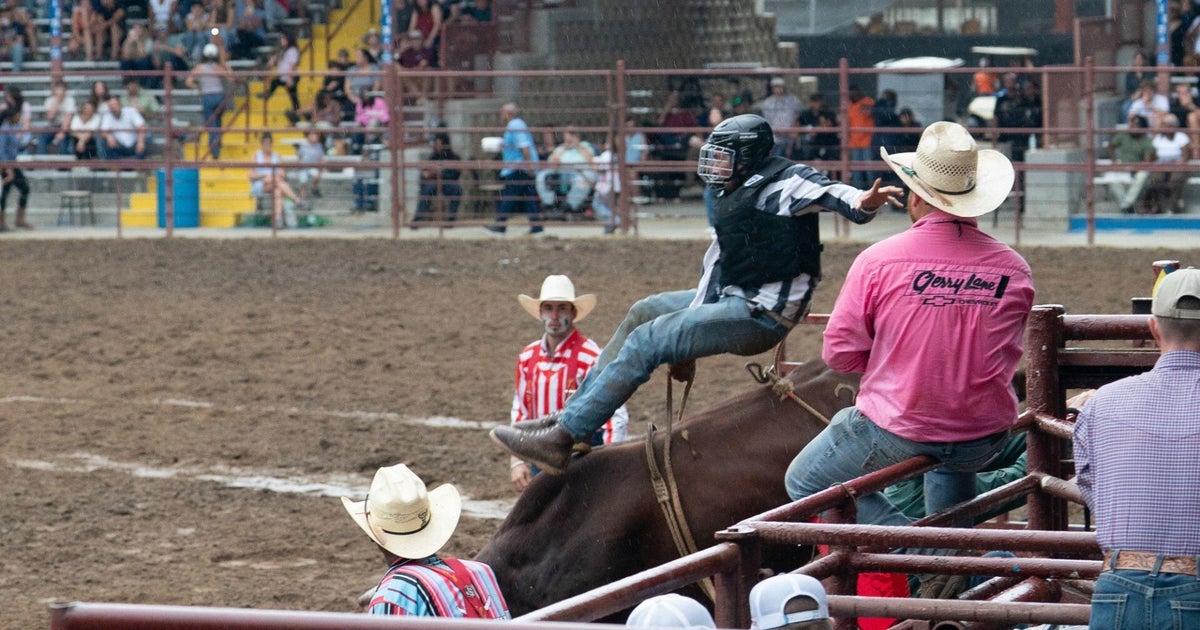
The Louisiana State Penitentiary, a maximum-security facility known as Angola, held its 60th annual prison rodeo, where incarcerated men competed in events involving wild horses and bulls. The event, which takes place over one weekend in April and on Sundays in October, allows approximately 1,000 participants who have maintained good behavior to compete for cash prizes or sell handmade goods. While some outside observers have characterized the event as exploitative, participating inmates reported that the competition offers a temporary sense of freedom and purpose.
The rodeo began in 1965 as an internal event for staff and inmates before opening to the public in 1967. Under former warden Burl Cain, who led the prison from 1995 to 2016, the event expanded to include a 10,000-seat stadium and a market for prisoner-made crafts. The prison is located on 18,000 acres of former plantation land and houses more than 4,000 men, the majority of whom are serving life sentences without the possibility of parole.
During the competition, participants take part in events such as bareback bronco riding, steer wrestling, and "Convict Poker," where a bull is released toward men seated at a table. Travis "Buckethead" Johnson, who has two first-degree murder convictions, won $500 during the October rodeo by retrieving a poker chip from between a bull's horns. Other inmates, like Kenny "300" Palmer, choose to sell items such as chessboards and beaded necklaces; Palmer reported earning $87 during the visit, though he must pay 11% of his sales to the prison.
Inmates who participate in the craft market keep 89% of their sales, while those who win rodeo events keep the full prize amount, which can reach $500 for a single event. A person attending would see incarcerated men dressed in black-and-white striped costumes—worn specifically for the rodeo—engaging in high-risk physical activities or selling furniture and art. For the participants, these earnings can be used for personal expenses or sent to family members, such as Palmer’s plan to fund a brokerage account for his niece to promote financial literacy.
The knock-on effects include the funding of education, recreation, and religious programs within the prison using the rodeo's proceeds. The event also maintains a historical link to the prison's past as a cotton plantation, a connection noted by critics who refer to the facility as the "Last Slave Plantation." What happens next includes the continuation of the seasonal schedule, with the rodeo returning for its annual weekend in April and Sundays in October. Administrative oversight of the funds continues under the Louisiana Department of Public Safety and Corrections.