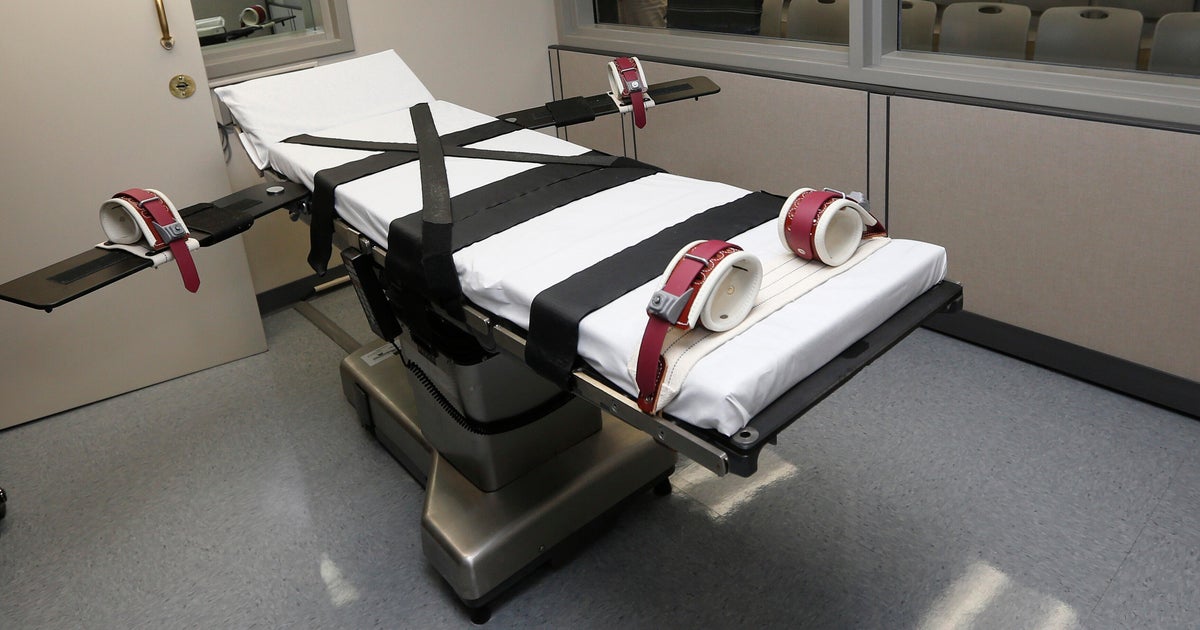
Authorities in Indiana executed Jeffrey Weisheit by lethal injection early Thursday morning, the first of three scheduled executions in the United States that day. Weisheit, 50, was convicted of killing his girlfriend’s two children, ages 8 and 5, by setting fire to a house in 2010. The Indiana Department of Correction (IDOC) reported he was pronounced dead at 12:45 a.m. at the Indiana State Prison in Michigan City.
The execution followed several legal and administrative challenges. Weisheit’s attorneys requested that Indiana Governor Mike Braun allow brain scans to document the inmate's history of head injuries and mental health issues, but the governor declined. The defense also challenged the state’s use of lethal drugs sourced from a pharmacy facing a disciplinary hearing. IDOC officials stated they were confident in the humanity of the procedure, and Governor Braun noted the sentence had undergone multiple court reviews without being overturned.
Two other executions were scheduled for the same Thursday in Florida and Alabama. In Florida, Jesse Guardado, 64, faced execution for the 2004 stabbing death of a 75-year-old woman. In Alabama, Michael Taylor, 54, was scheduled to be put to death for the 1989 fatal beating of an older couple. The three proceedings would mark the second time this year that three U.S. executions occurred on a single day, following a similar occurrence involving Alabama, Tennessee, and Oklahoma on August 13.
For citizens in these states, these events reflect the concrete application of capital punishment laws. In Alabama, the state planned to execute Michael Taylor by lethal injection after a judge declared nitrogen gas unconstitutional. Taylor's attorneys argued against the switch because he had previously selected nitrogen gas as his preferred method. In Indiana, the case drew attention to the regulation of pharmaceutical providers, as the drugs used were purchased from a pharmacy under investigation by the Indiana Pharmacy Board.
The knock-on effects of these executions involve the ongoing debate over the reliability of execution methods following the failed September execution of Christa Pike in Tennessee. While Pike reported ongoing pain after surviving two doses of pentobarbital, courts have cited this history while generally rejecting subsequent efforts to halt other executions. The Alabama case also involves how the state handles method-of-execution changes when methods are stayed by courts. Following these Thursday events, the legal focus in Indiana shifts toward the pharmacy board hearing scheduled for next week to address the disciplinary status of the state’s drug supplier.