Iran launched strikes against a U.S. air base in Kuwait and targets in Bahrain early Wednesday, November 18, 2026. The action follows a two-month lull in such attacks and appears to be a response to U.S. military operations on Tuesday. Kuwait's military reported that its air defenses intercepted drones, while Bahrain's military stated it intercepted several attacks but did not provide details on damage or casualties.
The escalation began on Tuesday when a U.S. fighter jet struck a Revolutionary Guard missile launch site on Qeshm Island in the Strait of Hormuz. According to U.S. officials, that strike was retaliation for an Iranian attack on an American radar installation in Bahrain earlier that same day. Iran stated its actions, including strikes on U.S. facilities in Bahrain on Friday and Sunday, were responses to U.S. drone surveillance and an attack on Iranian communications towers.
In Kuwait, the Ali Al Salem air base was targeted, with Iranian state media reporting that the Iranian Army fired at air defense systems and launch platforms. During the war, this base has been struck at least 30 times. In a separate incident on Tuesday, the United Arab Emirates state-owned oil company ADNOC reported that a tanker attack in the Strait of Hormuz left 11 crew members injured and one missing.
The resumption of strikes affects U.S. military personnel stationed in the Persian Gulf, including the U.S. Navy’s 5th Fleet in Bahrain and units at Ali Al Salem air base in Kuwait. Previous strikes on the Kuwaiti base damaged or destroyed at least 15 aircraft hangars and 10 buildings. Residents in Bahrain received early morning shelter-in-place alerts issued by the Ministry of the Interior on November 18.
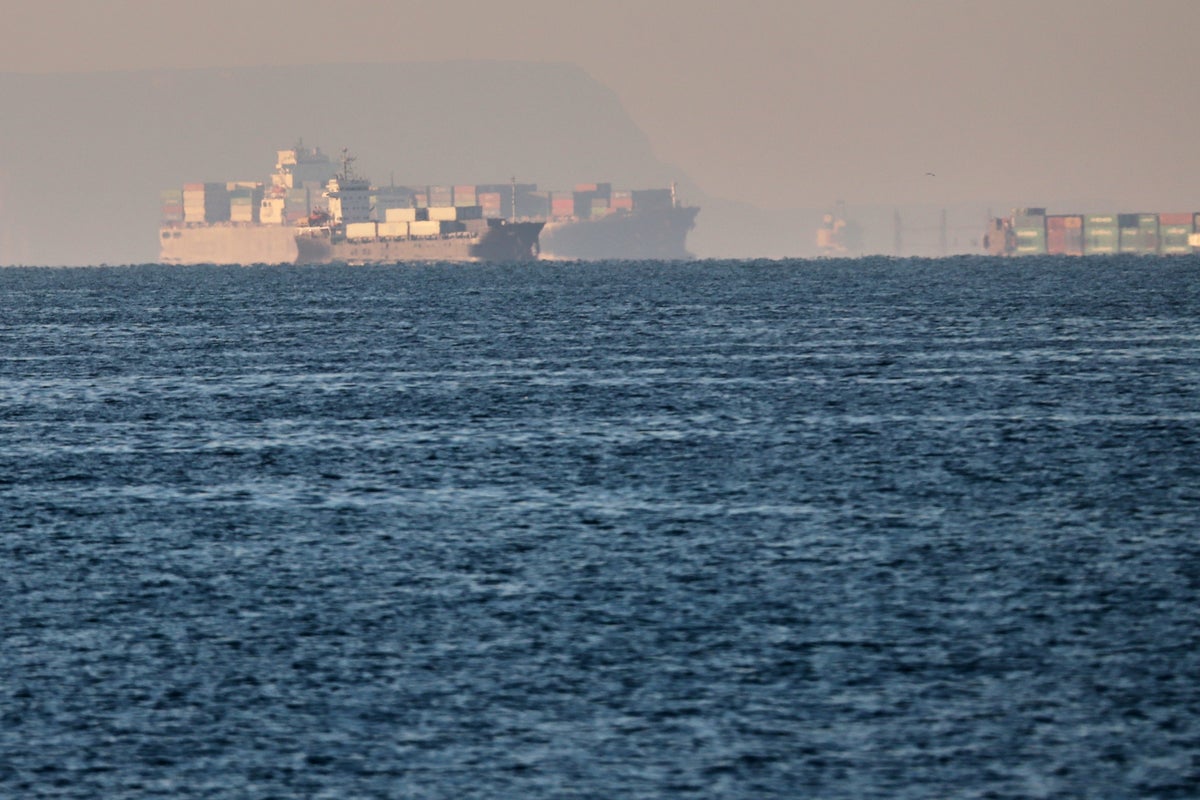
The U.S. naval blockade of Iran and Iranian attacks on tankers affect the global energy market. While U.S. military escorts have helped return shipments to near prewar levels, the injury of 11 crew members on a UAE tanker highlights the risks to merchant mariners. Analysts from the International Crisis Group and Israel’s Institute for National Security Studies suggest these escalations increase the risk of a broader military confrontation.
Future developments depend on the U.S. response to the Wednesday morning strikes. While President Trump has said that further strikes are highly unlikely, the U.S. has deployed a third aircraft carrier and thousands of additional troops to the region. The Saudi-led coalition also remains active, having struck 60 targets in Yemen on Tuesday following Houthi missile launches toward Riyadh. No specific dates for diplomatic negotiations or the lifting of the naval blockade were reported.