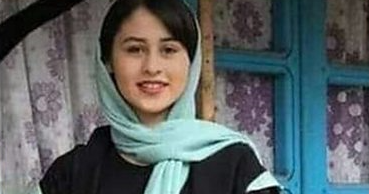
Iranian authorities administered 74 lashes to singer Parastoo Ahmadi and four members of her production team. The corporal punishment was issued in the city of Qom in response to a concert Ahmadi performed in December 2024, during which she did not wear a headscarf. The sentencing follows a period in which some observers noted a perceived relaxation in the enforcement of dress codes amid regional tensions.
The incident occurs alongside reported instances of violence against women involving family members. On November 21, police in Sanandaj arrested the parents of Helia Fattahi following her death. Local media reported that the parents confessed to the killing after Fattahi informed them she was pregnant while unmarried, though the provincial police chief categorized the event as "family disputes." No charges have been filed in that case. Additional recent reports include the fatal shooting of 23-year-old Sadaf Haghbin in Gilan province and the killing of 16-year-old Zahra Jeddi in northwest Iran, who was reportedly attempting to leave a man she had been married to as a child.
Legal experts and human rights organizations have highlighted how the Iranian penal code addresses such violence. Article 301 exempts fathers or paternal grandfathers from 'qisas'—the principle of retribution that allows for the death penalty—if they kill a child or grandchild. Furthermore, perpetrators can avoid the harshest penalties if they are forgiven by the victim's legal heirs. A lawyer using the pseudonym Neyazi stated that judges often show leniency in cases involving family honor, contrasting this with the state's penalties for dress code violations.
The concrete day-to-day impact for women includes the risk of prosecution, surveillance, or the confiscation of personal vehicles for appearing unveiled in public. Businesses that serve unveiled women also face the risk of being shuttered by authorities. While many women in urban areas have continued to appear in public with their hair uncovered since the 2022 protests following the death of Mahsa Amini, the recent lashing of Parastoo Ahmadi indicates that the state maintains the authority to enforce corporal punishment for such acts.
The knock-on effects involve a national debate regarding the state's responsibility to protect women whose lives are known to be in danger. Current law often treats these killings differently than other murders, a precedent that critics say encourages leniency. What happens next depends on the Iranian parliament's handling of proposed legislation intended to increase criminal penalties for violence against women. Government spokeswoman Fatemeh Mohajerani has indicated such a bill could be submitted, though a previous version named after Romina Ashrafi—a 14-year-old killed by her father in 2020—has yet to become law.