The Plain Record

Neutral daily news — clear headlines, complete facts.

World

Iraqi Environmentalist Returns to Southern Marshes After 2023 Kidnapping

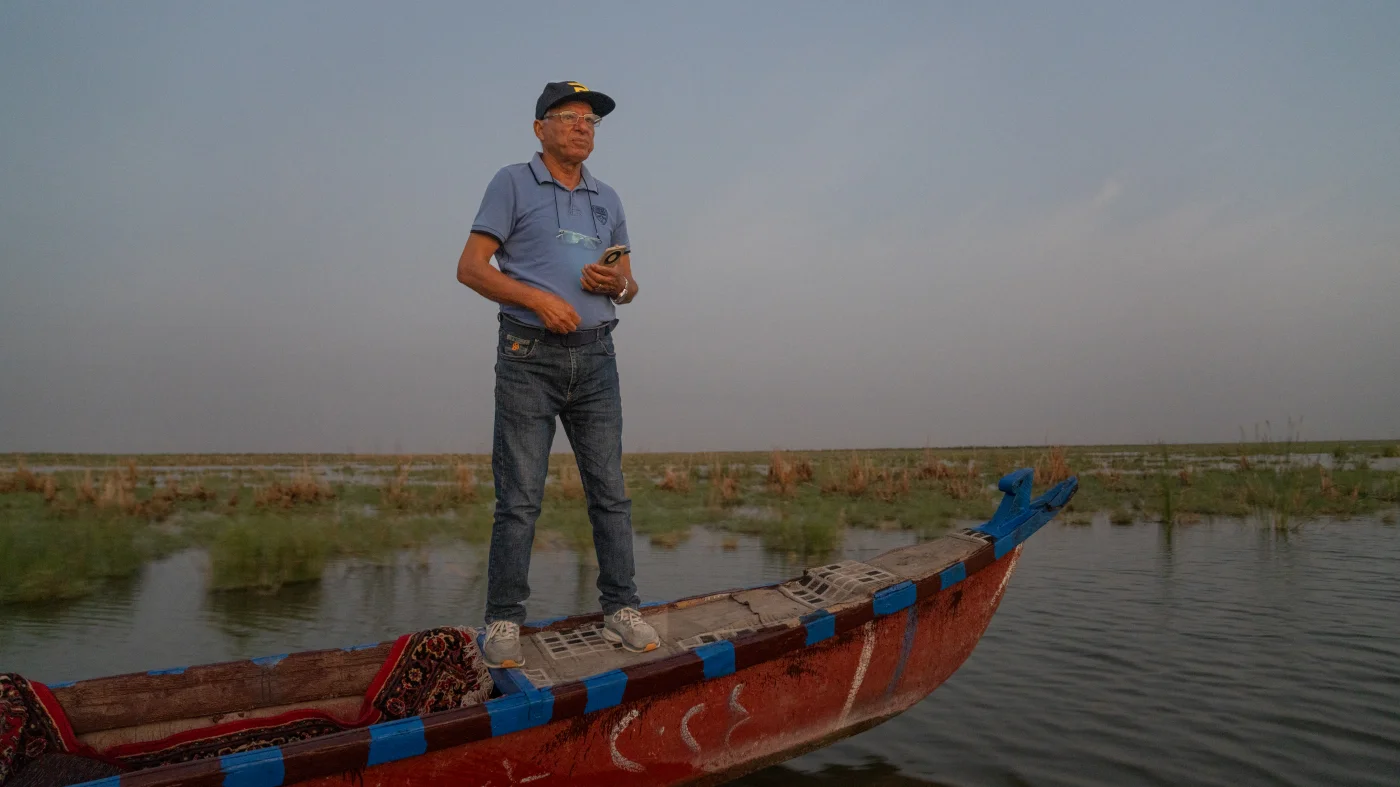
Iraqi environmentalist Jassim al-Asadi has resumed his work in the southern marshes after being kidnapped and tortured by a militia in early 2023.

Published November 18, 2026 at 8:12 AM EST

The short answer

Iraqi environmentalist Jassim al-Asadi has resumed his work in the southern marshes after being kidnapped and tortured by a militia in early 2023. Jassim al-Asadi, a prominent Iraqi environmentalist and co-founder of the organization Nature Iraq, has returned to his work monitoring the southern Iraqi marshes following a February 2023 kidnapping and two-week period of torture.

Iraqi Environmentalist Returns to Southern Marshes After 2023 Kidnapping

The Facts

Who
Jassim al-Asadi, co-founder of Nature Iraq; Azzam Alwash, co-founder; the Bani Asad tribe; and an unnamed Iran-backed militia.
What
The return of environmentalist Jassim al-Asadi to his conservation work following his kidnapping and torture by a militia.
When
February 2023 (kidnapping); the return to work is ongoing.
Where
The Central Marshes of southern Iraq and the town of Chibayish.
Why
Al-Asadi was targeted for his high-profile environmental work and associations with Western journalists; his release was secured through tribal mobilization rather than government intervention.

Jassim al-Asadi, a prominent Iraqi environmentalist and co-founder of the organization Nature Iraq, has returned to his work monitoring the southern Iraqi marshes following a February 2023 kidnapping and two-week period of torture. Al-Asadi was seized by an armed militia while traveling from Baghdad to the town of Chibayish and was accused of being an Israeli spy.

The marshes, designated a UNESCO World Heritage site in 2016, have faced environmental challenges, including five years of drought that dried out sections of the wetlands. Al-Asadi and his colleague, Iraqi-American engineer Azzam Alwash, founded Nature Iraq in 2004 to restore the area after it was drained by Saddam Hussein in the 1990s. The organization works on water policy, biodiversity conservation, and local infrastructure projects like natural sewage treatment ponds.

According to al-Asadi, his captors used physical beatings, electric shocks, and waterboarding during his detention to attempt to force a confession of espionage. He stated the militia accused him of using his environmental tours for journalists to run a spy network. He was released after his tribe, the Bani Asad, mobilized hundreds of armed fighters to demand his freedom. Al-Asadi declined an offer of asylum in Europe, though two of his children relocated to Sweden for safety.

A person living in the marshes would notice the impact of this advocacy through the presence of infrastructure like reed guest houses and natural water treatment ponds designed to remove sewage toxins. The success or failure of these projects, which are a fraction of the cost of traditional plants, depends on government approval and the safety of the engineers who design them. Additionally, the activities of Nature Iraq involve lobbying neighboring countries like Turkey, whose dam projects have reduced downstream water flow into the Tigris and Euphrates rivers.

The case of al-Asadi sets a precedent for how tribal power and militia influence interact with civil society in Iraq. While al-Asadi has returned to the marshes, the events have had a "chilling effect" on environmental activism. Nature Iraq's staff has dropped from a peak of 94 people to just four remaining members. What happens next depends on the Iraqi government’s decision regarding the construction of two additional water treatment ponds near Chibayish and its ability to secure the region for non-governmental organizations. No specific dates for these government decisions were reported.

Timeline of what happened

Key dates and decisions, in the order they occurred.

  1. 2003

    U.S.-led invasion leads to marsh restoration efforts

  2. 2004

    Nature Iraq founded by al-Asadi and Alwash

  3. 2013

    Co-founder Azzam Alwash wins Goldman Environmental Prize

  4. 2016

    Iraqi marshes named a UNESCO World Heritage site

  5. 2018

    Iraqi prosecutors freeze Nature Iraq bank accounts during investigation

  6. 2022

    Investigation into Nature Iraq dropped for lack of evidence

  7. February 2023

    Jassim al-Asadi kidnapped and held for two weeks

Summaries are written by The Plain Record to state the facts of a story plainly and without political slant. Drafted with AI assistance and checked against the source record before publication. See how we report, or report a correction.

← Back to the front page

Questions readers ask

What happened: Iraqi Environmentalist Returns to Southern Marshes After 2023 Kidnapping?

The return of environmentalist Jassim al-Asadi to his conservation work following his kidnapping and torture by a militia.

Who is involved?

Jassim al-Asadi, co-founder of Nature Iraq; Azzam Alwash, co-founder; the Bani Asad tribe; and an unnamed Iran-backed militia.

When did this happen?

February 2023 (kidnapping); the return to work is ongoing.

Where did this happen?

The Central Marshes of southern Iraq and the town of Chibayish.

Why does this matter?

Al-Asadi was targeted for his high-profile environmental work and associations with Western journalists; his release was secured through tribal mobilization rather than government intervention.