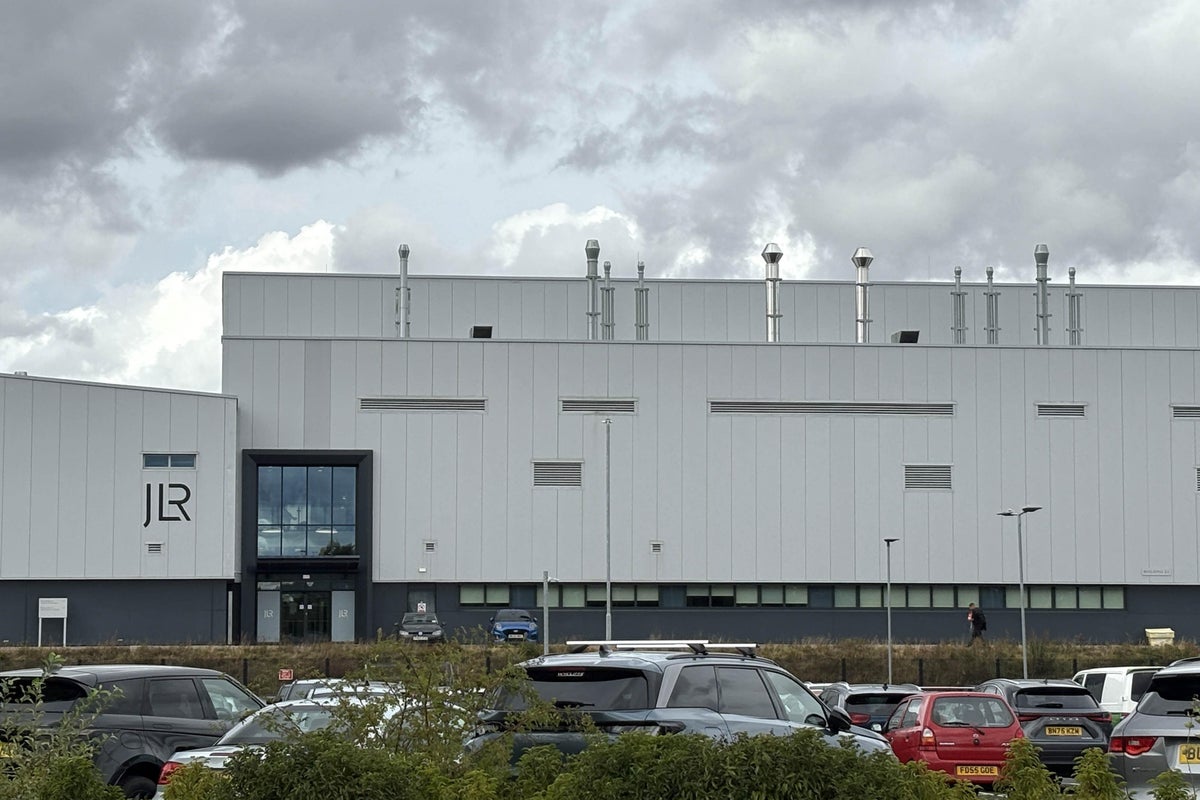
Jaguar Land Rover (JLR) announced on Friday, November 13, 2026, that approximately 3,000 employees have agreed to leave the company through a voluntary redundancy programme. The reduction is part of a two-year global plan, first announced in September 2026, to cut about 4,000 jobs to reduce labor costs and achieve £1.7 billion in savings.
The workforce reduction follows a period of financial recovery for the British luxury carmaker. In 2025, a cyber attack forced JLR to halt production at its UK manufacturing sites, including Solihull in the West Midlands and Halewood in Merseyside, for five weeks starting September 1. The company reported that its current improvement in sales volume and profitability reflects a recovery from that incident.
JLR Chief Financial Officer Richard Molyneux stated that the majority of the 3,000 departing staff members will leave by the end of November 2026. Molyneux noted there are enough additional applications and expressions of interest to reach the final target of 1,000 more roles. The company reported quarterly revenues of £5.9 billion through September, a 20% increase over the same period last year, and a profit before tax and exceptional items of £6 million.
The financial impact includes a £1.7 billion savings target. The restructuring process has already resulted in a recognized cost hit of £530 million, which includes redundancy payments and the write-down of assets. These expenses contributed to the company's projection that full-year profit margins may be slightly lower due to what it described as ongoing market challenges and geopolitical risks.
For JLR's future operations, the company is shifting focus toward five new battery electric vehicles (BEVs) to drive earnings. Deliveries for the Range Rover Electric, Range Rover Sport Electric, and Jaguar Type 01 are scheduled to begin in early 2027. Additionally, the Range Rover GT and a new electric Defender are slated for launch in 2027. The company expects these releases to increase earnings while allowing for a reduction in current levels of capital investment.