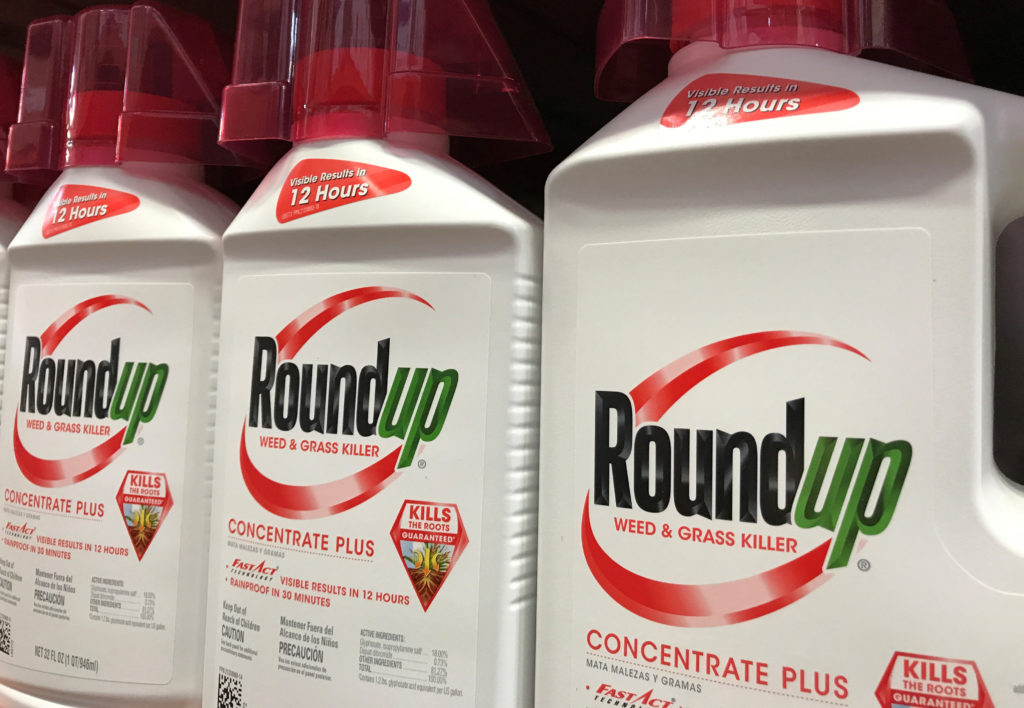
Agrochemical manufacturer Bayer will pay up to $7.25 billion over two decades to resolve thousands of U.S. lawsuits filed by patients who allege the company's weed killer, Roundup, caused them to develop non-Hodgkin lymphoma. A Missouri judge approved the settlement on Friday, Nov. 20, 2026. The plaintiffs argued that the company failed to provide adequate warnings regarding potential cancer risks associated with the product.
The litigation involves glyphosate, the active ingredient in Roundup since its 1974 debut by Monsanto, which Bayer acquired in 2018. While the World Health Organization's International Agency for Research on Cancer classified glyphosate as "probably carcinogenic" in 2015, the U.S. Environmental Protection Agency (EPA) has maintained that the chemical is unlikely to cause cancer in humans when used as directed. Approximately 200,000 Roundup-related claims have been filed, many by residential users, leading Bayer to remove glyphosate from residential versions of the product.
Under the terms approved by St. Louis Circuit Judge Timothy Boyer, the nationwide settlement covers both currently ill individuals and those diagnosed in the future who were exposed to the product before February 2026. Individual payouts are expected to average between $10,000 and $165,000, depending on age, severity of illness, and type of exposure. The settlement includes $600 million for attorneys' fees and follows a June U.S. Supreme Court ruling that found Bayer cannot be sued in state courts on claims it failed to warn about cancer because federal regulations do not require such a label.
The settlement affects thousands of cancer patients and their families, as well as agricultural, industrial, and turf workers who have been exposed to the herbicide. Individual compensation is determined by specific criteria: workers under age 60 with aggressive forms of lymphoma may receive an average of $165,000, while those diagnosed at age 78 or older would receive approximately $10,000. These payments, distributed from a special fund over 21 years, are in addition to $16 billion Bayer previously allocated for Roundup-related legal costs.
For the affected individuals, the settlement provides compensation in exchange for waiving certain legal rights, including the ability to seek punitive damages. Participants would otherwise face the uncertainty of trial following the Supreme Court's ruling that federal regulations preempt state-level labeling requirements. While some attorneys for the plaintiffs called the deal a necessary alternative to receiving nothing, others criticized the amounts as inadequate given that the glyphosate-based version of the product remains available in the agricultural market.
For Bayer, the court-approved deal is intended to provide financial certainty and mitigate future litigation risks that had led the company to consider withdrawing Roundup from U.S. agricultural markets. Judge Boyer noted that the company might have sought bankruptcy protection if the settlement had been rejected. The agreement establishes a long-term payment structure for up to 21 years. Although the judge has granted final approval, the decision remains subject to potential appeals.