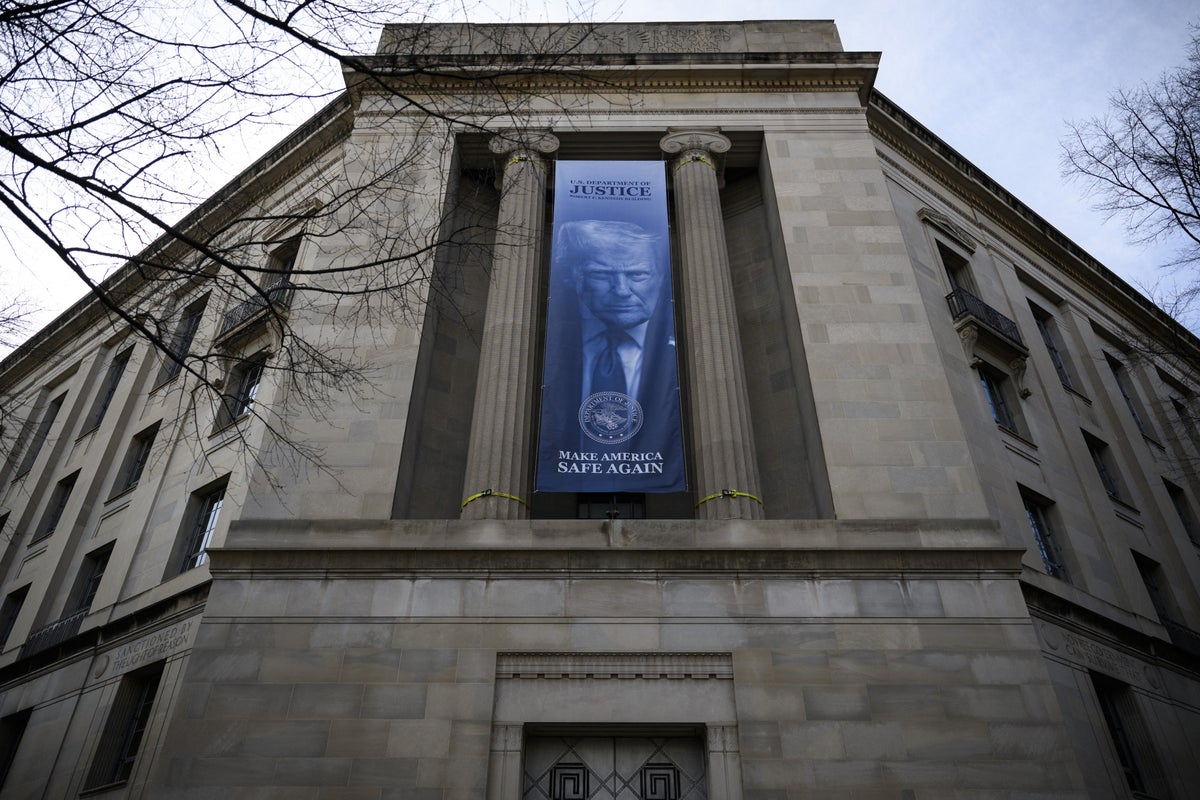
Professional misconduct complaints against U.S. Department of Justice (DOJ) officials increased by more than 50 percent over the last two years, according to an annual management report released by Inspector General Don Berthiaume on Tuesday, November 17, 2026. The report warned that the Office of Professional Responsibility (OPR), which employs 18 full-time staff members to investigate attorney misconduct, risks being unable to maintain oversight for the agency's thousands of employees due to the rising workload.
The OPR recorded 2,081 professional misconduct complaints in fiscal year 2026, which ended October 1. This figure represents a 54 percent increase from the 1,346 complaints filed in fiscal year 2024 and is nearly double the 1,085 complaints recorded in fiscal year 2023. During fiscal year 2026, the office opened 33 inquiries and 10 full-scale investigations, according to the report. Of the nine investigations completed during that period, OPR found professional misconduct in every case.
The increase in complaints coincided with a reduction in the department's workforce. Between January 2025 and May 2026, the Justice Department saw a net loss of 10,345 employees. Berthiaume noted that these departures have created staffing gaps, including a 40 percent vacancy rate in the Missing or Murdered Indigenous Persons Regional Outreach Program and ongoing shortages within the Bureau of Prisons. The report stated that these reductions may lead to "mission degradation" in specialized positions.
The OPR also managed 50 new whistleblower retaliation complaints from the FBI during fiscal year 2026, closing 41 matters in that timeframe. While the Office of the Inspector General handles general waste and fraud, the OPR specifically oversees allegations involving DOJ attorneys. The report noted that the OPR has less independence than the inspector general and that its previous leader was removed by senior leadership in 2025. The Justice Department responded in the report that the OPR has fulfilled its mission through disciplined management despite "resource constraints."
The scale of the staffing shift saw 10,345 employees leaving the DOJ over a 16-month period starting in January 2025. This reduction impacts the administration of justice and public safety programs. For example, residents in tribal areas may notice the effects of a 40 percent vacancy rate in the Missing or Murdered Indigenous Persons outreach program. Additionally, the reported staffing shortages in the Bureau of Prisons could affect the day-to-day operations and safety of federal correctional facilities.
These internal pressures come at a time when the DOJ is conducting criminal probes involving high-profile figures, including former FBI Director James Comey, New York Attorney General Letitia James, and Senator Adam Schiff. While the report does not link the misconduct complaints to these specific cases, it notes that the DOJ's integrity is an "operational requirement." The strained oversight office could impact the consistency of how federal law is applied or prosecuted across the country. The OPR stated it will continue to use technology and disciplined management to handle its workload, but the report suggests that without increased staffing, the risk to oversight capacity will persist into the next fiscal year.