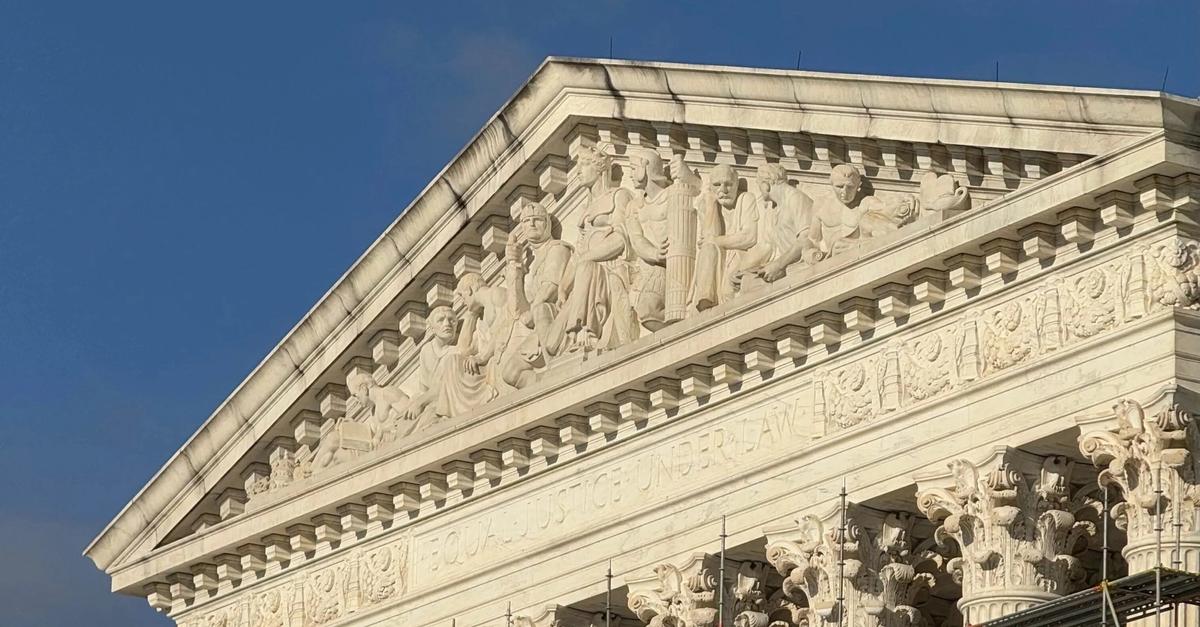
Justice Sonia Sotomayor stated on Friday, Nov. 20, 2026, that she "wouldn't be unhappy" with the implementation of term limits for the U.S. Supreme Court. Speaking at an event hosted by the American Philosophical Society in Philadelphia, the justice noted that the United States is the only "civilized democratic" nation that maintains lifetime appointments for judges.
The remarks come as structural changes to the court remain a subject of active debate following the 2026 midterm elections. While Justice Sotomayor initially told the audience she would not offer a formal opinion because the decision rests with the public and elected officials, she highlighted that other countries use age or term limits to manage their judiciaries without the political influence the U.S. founders feared.
Sotomayor encouraged the audience to weigh the benefits of such limits against the potential loss of experienced perspectives. She cited Justice John Paul Stevens, who she noted remained sharp and wrote significant opinions at age 90. During the event, Sotomayor also spoke with U.S. Circuit Judge David Tatel, suggesting the court has "forgotten that at the center of every case is people" due to the similar professional backgrounds of its members.
A shift to term limits would fundamentally change the career trajectory of federal judges and the frequency of presidential appointments. Currently, justices serve until they choose to retire, take senior status, or pass away. Under proposed 18-year term limits—a figure noted in the debate—a new justice would be appointed every two years, potentially stabilizing the court's ideological shifts. However, it remains legally unclear whether Congress can enact such changes through standard legislation or if a constitutional amendment is necessary.
The immediate outlook for these changes remains uncertain despite the projected Democratic control of Congress in 2027. Any such measure would still face a likely lack of support from President Donald Trump and would need to clear the Senate's procedural hurdles. While Justice Sotomayor’s comments signal an opening among the court’s liberal wing, no formal legislative deadlines or votes are currently scheduled. The Supreme Court itself is set to begin its December argument session on Monday, Nov. 30, where it will hear cases concerning birthright citizenship and semiautomatic rifle bans.