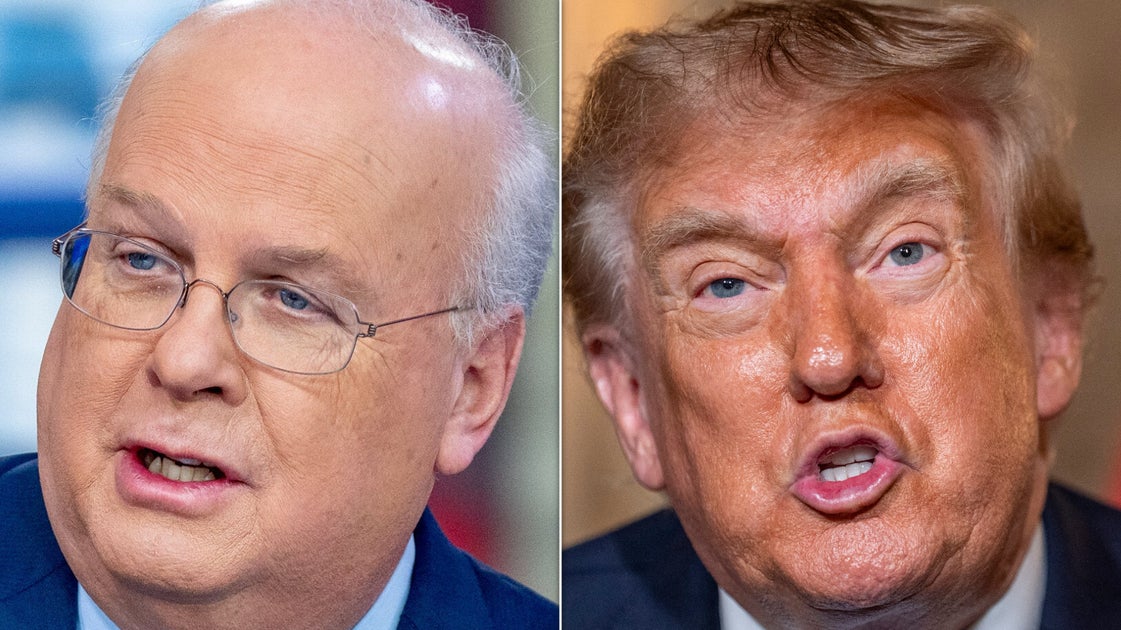
Karl Rove, a former senior advisor to President George W. Bush, stated in an opinion piece published on Wednesday, November 25, 2026, that the United States has moved "past peak Trump." Rove argued in the Wall Street Journal that a segment of the electorate, including self-described Republicans, has become fatigued by the president’s focus on personal attention and admiration.
The commentary follows recent midterm elections in which Rove characterized the Republican Party’s performance as a "walloping." Rove previously authored an October piece warning the party that it could not rely on its previous "MAGA" strategy for the midterms. President Trump responded to Rove's previous criticisms by stating that Rove "doesn’t know what he’s talking about" and labeling him a "loser."
In his latest writing, Rove cited specific behaviors he believes have alienated voters, including frequent social media posts, public insults, and an emphasis on White House aesthetics and renovations. Rove reported that many "former Trump enthusiasts" did not participate in the midterms despite the president's active campaigning and social media presence. He concluded that the president would be unable to re-engage these voters during his final two years in office.
The scale of this shift is described by Rove as significant enough to have caused a "miserable" midterm cycle for the GOP, though specific vote tallies or seat counts were not reported. This development potentially affects the influence of the executive branch over the legislative agenda during the remaining two years of the term. If the Republican party follows Rove's suggestion to build a "post-Trump future," it could lead to changes in party leadership, fundraising priorities, and the selection of candidates for the 2028 election cycle.
What happens next depends on how the Republican party apparatus and its donors respond to these midterm results. The president has already dismissed Rove's perspective, indicating a continued internal debate over the party's direction. As the administration enters its final two years, the legislative impact will become clearer when the new Congress convenes. Specific dates for future party strategy meetings or formal leadership votes were not reported in the source.