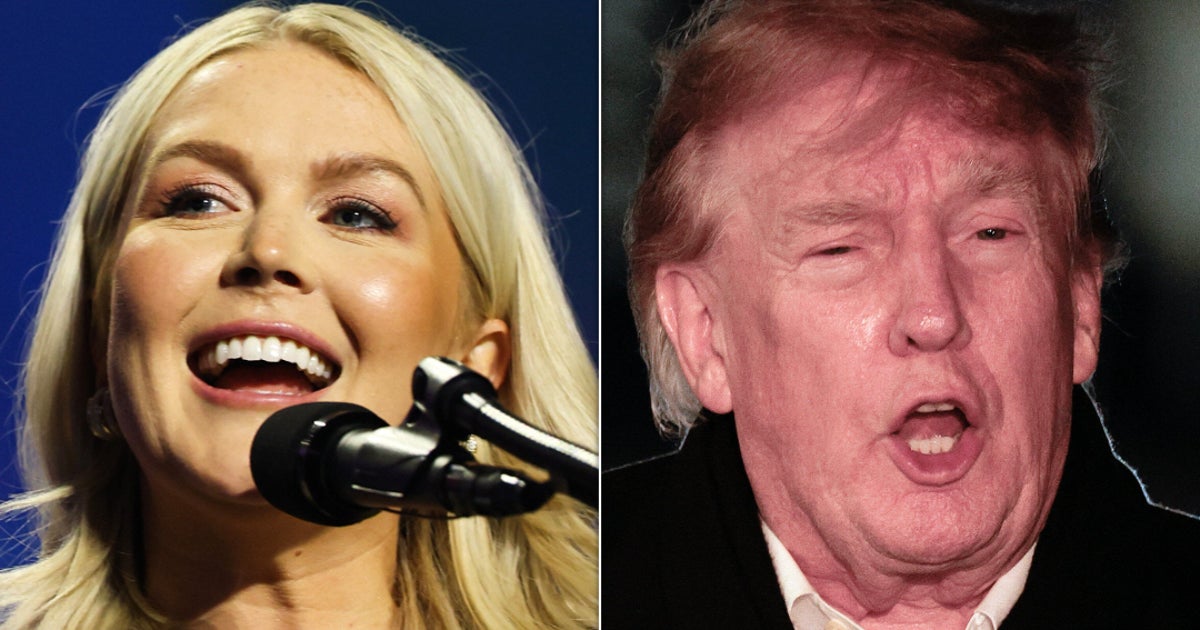
Former White House press secretary Karoline Leavitt stated in a Fox News interview that President Donald Trump secures specific results in his meetings with world leaders. The remarks followed recent meetings between President Trump, Chinese President Xi Jinping, and Russian President Vladimir Putin. Leavitt said that Trump "never leaves these rooms without at least grabbing one deliverable" and that he "always ends up dominating the conversation" to seek results for the American people.
The sessions took place during the week of November 16, 2026. During these meetings, President Trump referred to both President Putin and President Xi as "my friend." Following the discussions, Trump described the meetings to NBC News as a "12" on a scale of zero to 10, stating that "fantastic relationships" were built.
In contrast to Leavitt’s claims of specific "deliverables," critics argued that there was no evidence of tangible gains. These critics suggested the meetings served as a "photo op" for the Russian and Chinese leaders. The joint statement from the three leaders expressed that nuclear war should never be fought and called for an increase in petroleum production.
The source reported that the joint statement did not include tangible progress on petroleum levels or nuclear issues. Furthermore, there were no reported concrete developments regarding the ongoing conflicts in Iran or Ukraine. Social media users and critics responded to Leavitt's comments by requesting a specific list of the results she referenced and questioning the outcome of Trump's three meetings with Xi and one meeting with Putin held earlier this year.
The lack of concrete progress on the wars in Iran and Ukraine means that current geopolitical tensions and the associated federal spending on foreign aid or military readiness remain unchanged for now. For families with members serving in the armed forces or for students and professionals tracking international stability, the absence of "tangible" results in these regions indicates a continuation of the status quo. This event sets a precedent for how the administration characterizes its diplomatic efforts versus how outside observers measure policy outcomes.
What happens next involves monitoring whether the general commitments made in the joint statement translate into formal policy changes or treaties. No specific dates for follow-up summits or deadlines for the proposed petroleum production increases were reported. Future data from energy agencies will likely reveal if the calls for increased production lead to measurable changes in global output. The effectiveness of these diplomatic "relationships" will continue to be evaluated against the presence or absence of formal agreements on the reported conflict zones.