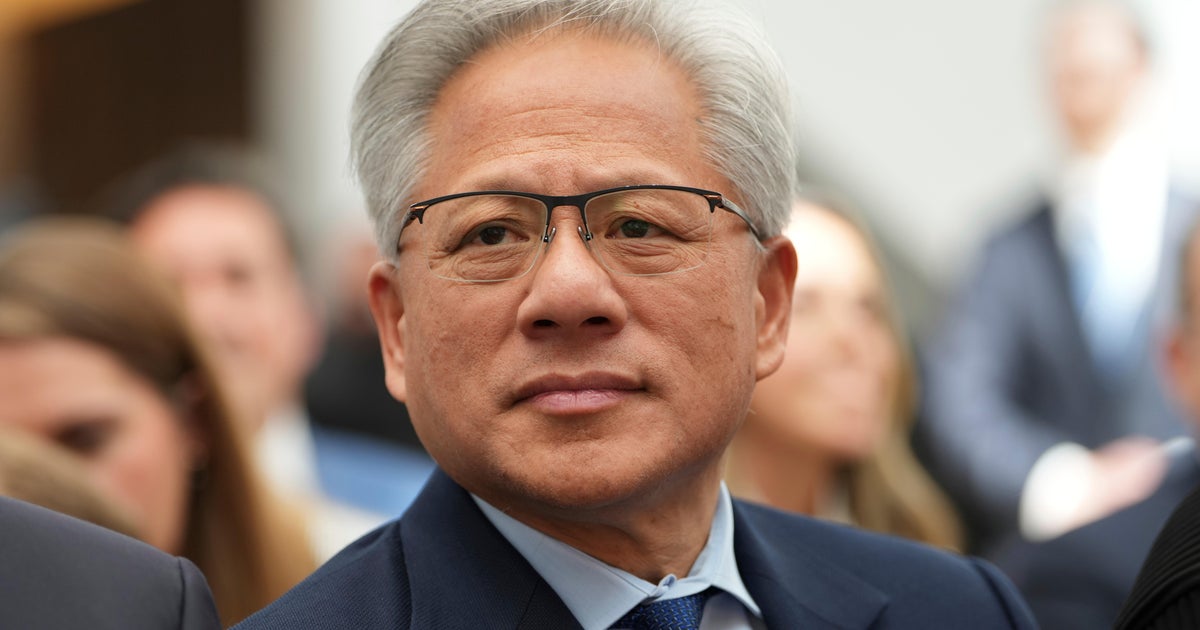
Republican lawmakers in both the House and Senate are requesting that former Nvidia CEO Jensen Huang testify following his resignation and reports of a national security controversy. Huang stepped down as head of the semiconductor company on a Thursday following revelations of an affair with Alice Huang, a former executive at Megaspeed who is suspected of being a Chinese intelligence asset. Megaspeed, a Singapore-based data center company, is currently under investigation in the United States and Singapore for allegedly smuggling restricted Nvidia chips into China, an accusation the company has denied.
The chairs of the House Select Committee on China, the Foreign Affairs Committee, and the Intelligence Committee sent a letter on a Thursday requesting Huang appear for a closed-door interview on December 1. Rep. John Moolenaar (R-MI), Rep. Brian Mast (R-FL), and Rep. Rick Crawford (R-AR) stated they would issue a subpoena if Huang did not accept the request by Friday evening. Rep. Mast told reporters that Huang had indicated a willingness to appear, though Rep. Moolenaar noted that the resignation "changes the dynamic" of the potential testimony.
In the Senate, Banking Committee Chair Tim Scott (R-SC) has also called for Huang to testify voluntarily during the first week of December. Sen. Scott similarly stated the committee is prepared to use subpoena power if necessary. Additionally, lawmakers are seeking testimony from executive branch officials, including Commerce Secretary Howard Lutnick, Treasury Secretary Scott Bessent, and Under Secretary of Commerce Jeffrey Kessler, who leads the Bureau of Industry and Security (BIS).
The congressional inquiries focus on Nvidia's security protocols and the relationship between the company and Megaspeed. Some critics have questioned the Commerce Department's oversight, noting a New York Times report that a BIS investigation into Megaspeed was halted last year. While Senate Minority Leader Chuck Schumer (D-NY) stated that the Trump administration must answer for its actions after learning of Huang's relationship with a suspected asset, President Trump defended Huang on social media, stating he did a "fantastic job" and expressed doubt that Huang knew the executive's alleged ties to intelligence.
For the American public, the investigation centers on whether sensitive technology reached a foreign adversary through gaps in federal oversight. If lawmakers find that export controls were bypassed, it may lead to stricter regulations on how American tech companies sell products abroad. This could eventually change the availability or pricing of advanced computing services for businesses and researchers. The scale of the alleged smuggling—specifically how many chips or their total market value—was not disclosed in the reports.
The next steps involve a series of deadlines in early December. The House committees set a response deadline of Friday evening for the December 1 interview request. Senate Majority Leader John Thune (R-SD) indicated that the Senate also maintains an interest in oversight regarding the national security implications. As Democrats are set to take control of both chambers in January, the timing of these hearings will determine which party leads the initial questioning of tech executives and Trump administration cabinet members.